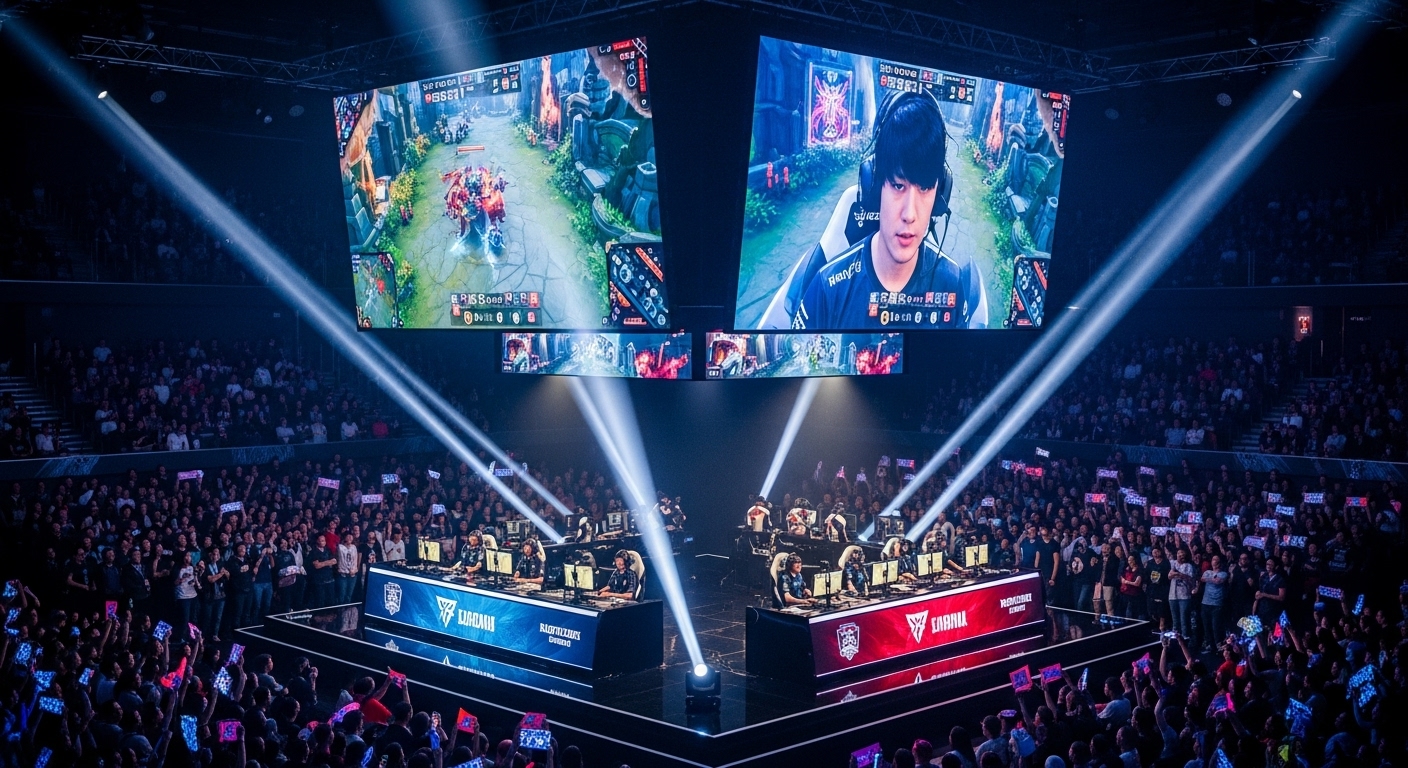
Introduction: The Global Explosion of Esports
Over the past two decades, esports has evolved from a niche hobby into a massive global phenomenon. What began as casual competitions among gamers has now become one of the most lucrative and influential industries in entertainment. From packed arenas to global streaming platforms, esports has cemented itself as a major player in the world of sports and entertainment.
Esports, or competitive video gaming, brings together thousands of players, teams, and fans from around the world to compete in organized tournaments for prestige, sponsorships, and substantial prize money. The rise of esports has not only transformed the gaming industry but also changed the way we perceive competition, entertainment, and digital culture.
In this blog post, we’ll dive into the factors driving the rise of esports, its impact on society, and what the future holds for this fast-growing industry.
What is Esports? Understanding the Core of Competitive Gaming
Esports refers to organized, multiplayer video game competitions, often involving professional players, teams, and large-scale tournaments. Unlike traditional video games, where the primary goal is entertainment or casual play, esports is defined by its competitive nature. Players or teams compete to win in various game genres, including first-person shooters (FPS), multiplayer online battle arenas (MOBA), real-time strategy games (RTS), and sports simulations. Some of the most popular titles in the esports ecosystem include League of Legends, Dota 2, Counter-Strike: Global Offensive, Fortnite, and Overwatch.
The appeal of esports lies not only in the games themselves but also in the growing spectator culture that surrounds them. Similar to traditional sports, esports has its own fan base, commentators, analysts, and media coverage. Major tournaments such as The International (Dota 2) and League of Legends World Championship offer millions in prize money and attract viewers in the millions across the globe.
The esports community is massive, with professional players, casual fans, streamers, coaches, analysts, and game developers all playing pivotal roles in the industry. Esports is not just about the games—it’s about the people who play, watch, and shape the gaming culture around them.
The Meteoric Growth of Esports
Esports’ growth can be attributed to several factors, most notably the rise of streaming platforms, global connectivity, and professionalization within the gaming community. Let’s break down some of the key elements that have fueled its meteoric rise.
1. Streaming Platforms: The Birth of the Esports Audience
The rise of streaming services like Twitch, YouTube Gaming, and Facebook Gaming has played a huge role in making esports accessible to a global audience. These platforms have allowed fans to watch their favorite players and teams compete in real-time, bringing the esports experience to a worldwide stage.
In addition to live-streamed competitions, esports players and streamers have become influencers, with some amassing millions of followers. These streamers have turned gaming into an entertainment business, monetizing their content through advertisements, sponsorships, and merchandise sales. Fans can interact with their favorite players during live streams, creating a sense of community and belonging.
This shift to digital viewing has created a more inclusive form of sports entertainment. Viewers don’t need to be physically present at tournaments to experience the excitement of esports; they can watch from the comfort of their homes, or on mobile devices, anytime and anywhere.
2. The Global Appeal of Esports
Esports transcends geographical and cultural barriers, making it an inherently global phenomenon. Unlike traditional sports, where games are often limited to specific regions, esports tournaments are international in scope, attracting players and fans from all corners of the globe.
The accessibility of esports also plays a role in its global success. Online play allows anyone with an internet connection to participate in games, regardless of location or economic background. This has led to the democratization of competitive gaming, where players from developing countries can compete on the same stage as top-tier professionals from the world’s largest gaming markets.
As the esports community grows, so does its influence on culture. Esports has become a platform for diverse voices, with players from different countries, races, and backgrounds coming together to compete. The shared language of gaming is helping to foster greater global understanding and breaking down cultural barriers.
3. Esports in Traditional Sports Venues
Esports has begun to blur the lines between digital and physical sports in a way few could have predicted. Major sporting organizations, such as the NBA, NFL, and FIFA, have started to invest in esports leagues and tournaments, capitalizing on the rising popularity of competitive gaming. In fact, some traditional sports teams have created their own esports divisions, competing in games that mirror their real-world counterparts.
Notably, the NBA 2K League has gained traction in the esports world, bringing together professional basketball players with gamers to compete in a basketball simulation game. Football clubs like Manchester City and Paris Saint-Germain have also launched esports teams, taking advantage of their existing fan base to expand into the digital realm.
Esports competitions are also being held in massive, traditional sports arenas, often drawing tens of thousands of spectators for in-person events. The combination of esports and physical venues has given rise to esports stadiums, where fans can watch live tournaments and cheer for their favorite teams just like at any other major sporting event.
The Business of Esports: A Billion-Dollar Industry
The growth of esports has been nothing short of explosive, turning what was once a hobby for a niche group of gamers into a multibillion-dollar industry. Revenue streams in esports are as diverse as the games themselves, with income coming from various sources such as sponsorships, media rights, ticket sales, merchandising, and advertising.
1. Sponsorships and Advertisements
Sponsorships are one of the most significant revenue streams for esports organizations. Global brands like Coca-Cola, Intel, Red Bull, and Nike sponsor teams, players, and tournaments, contributing millions of dollars to the industry. These sponsorships not only help fund tournaments and team operations but also allow brands to reach a massive and highly engaged audience of gamers and fans.
2. Media Rights and Streaming Partnerships
Media rights have become another essential revenue source for the esports industry. Streaming platforms like Twitch and YouTube Gaming pay for the exclusive rights to broadcast major esports tournaments, drawing in millions of viewers. As esports becomes a more prominent part of mainstream entertainment, these media rights deals will only grow more valuable.
3. Prize Pools and Tournament Revenue
The prize pools for major esports tournaments have skyrocketed in recent years. Some tournaments, such as The International (Dota 2), offer prize pools of over $30 million, attracting the best players in the world to compete for a piece of the prize. Revenue from ticket sales, merchandise, and pay-per-view streams further contributes to the profitability of major events.
4. Esports Betting and Fantasy Leagues
As esports has become more mainstream, new forms of engagement have emerged, including esports betting and fantasy leagues. Betting on esports competitions is now a multimillion-dollar industry, with fans placing bets on their favorite teams or players, much like they would with traditional sports. Fantasy esports leagues, where fans create their own teams and earn points based on player performance, are also gaining popularity.
The Impact of Esports on Society: More Than Just Entertainment
While the business side of esports is undeniable, its impact goes far beyond just dollars and cents. Esports is reshaping how people think about competition, collaboration, and community.
1. Fostering Global Communities
Esports has created a sense of community for millions of people around the world. Whether it’s fans engaging on social media, players interacting with their audiences through streams, or international tournaments bringing together people from different countries, esports has fostered a unique and diverse global community.
Unlike traditional sports, which can be limited by geographic boundaries, esports communities thrive in the digital realm, allowing fans and players from anywhere to come together and share their passion for gaming. The rise of esports streaming platforms has enabled fans to engage in a more interactive way, whether through live chat, voting, or direct interaction with players.
2. Providing Career Opportunities
Esports has created new career pathways in areas such as game development, marketing, broadcasting, content creation, event management, and more. With the growing professionalization of the esports industry, there is an increasing demand for skilled workers in many sectors, from game design to tournament organizing.
Young gamers who aspire to become professional esports players are also finding opportunities in a rapidly growing ecosystem. For those who don’t make it as players, there are plenty of other roles, such as coaching, analysis, and content creation, where talent and passion for gaming are rewarded.
3. Esports as a Tool for Education and Socialization
Esports is being used as a tool for education in many schools and universities, where gaming clubs and esports teams are being formed to teach students skills like teamwork, leadership, and problem-solving. In some institutions, scholarships are being offered to top esports athletes, providing them with opportunities to further their education while pursuing their passion for gaming.
For many young people, esports provides a platform for socializing, making friends, and building connections that might not be possible in the offline world. The esports community offers a sense of belonging, with like-minded individuals coming together to share their interests and skills.
The Future of Esports: A Bright and Thriving Industry
Esports is only getting started. The future of esports looks incredibly promising, with growing viewership, expanding prize pools, and increasing investment from major brands and traditional sports organizations. The next few years will likely bring even more innovation, with virtual reality, augmented reality, and artificial intelligence playing a key role in shaping the future of competitive gaming.