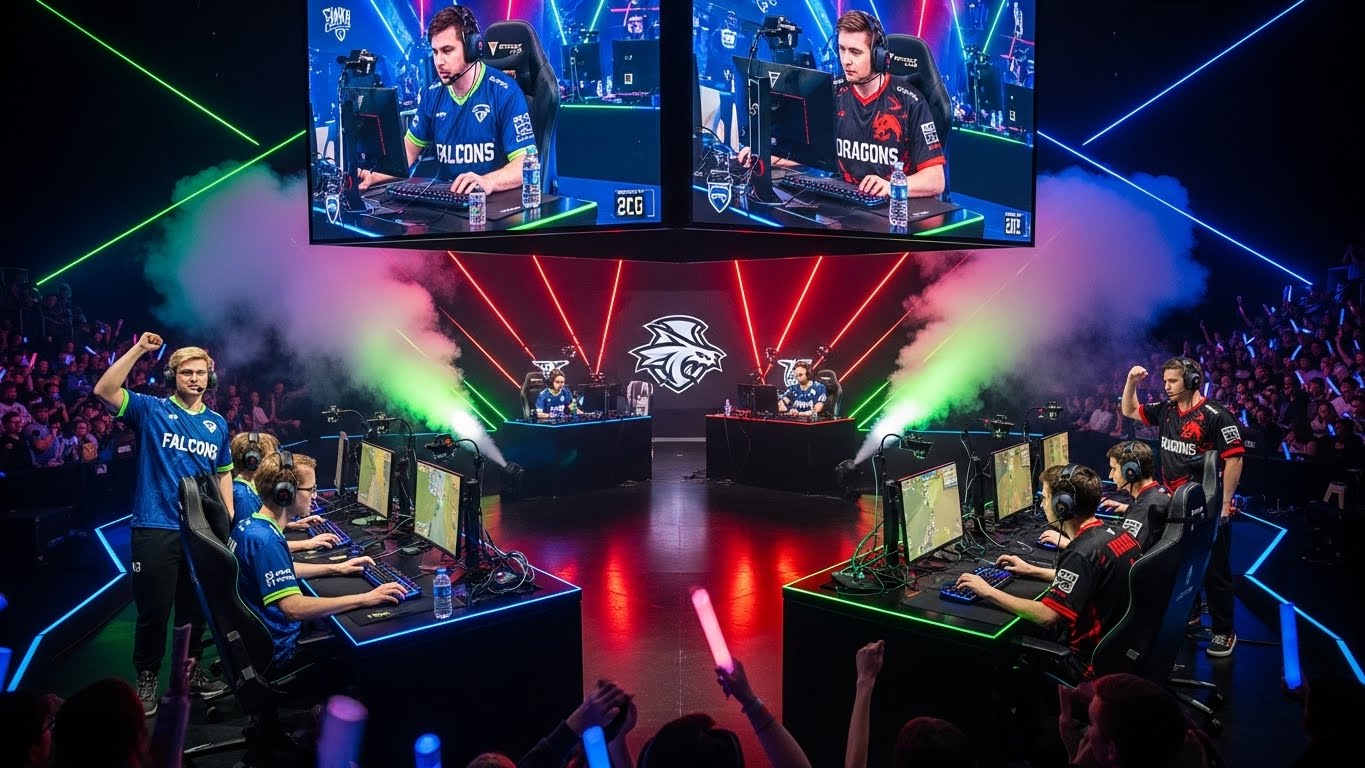
Esports, short for electronic sports, has grown from a niche hobby into a global phenomenon that rivals traditional sports in popularity and influence. Once seen as casual entertainment for teenagers, esports has evolved into a professional, multi-billion-dollar industry with organized leagues, international tournaments, and millions of dedicated fans. This blog explores the rise of esports, its impact on culture and society, the careers it creates, and the challenges and opportunities it presents for the future.
The Origins and Growth of Esports
The roots of esports can be traced back to the late 1970s and 1980s, when arcade competitions and early home video games sparked competitive interest. Games like Pong and Space Invaders encouraged players to compete for high scores, laying the foundation for organized competitions. By the 1990s, multiplayer games such as Quake, StarCraft, and Counter-Strike transformed gaming into a competitive and strategic pursuit. Communities of players emerged, sharing strategies, organizing tournaments, and pushing the limits of skill.
The growth of the internet in the 2000s dramatically expanded the reach of esports. Online multiplayer gaming allowed players from around the world to compete against each other, creating a global platform for talent. Titles like League of Legends, Dota 2, and Overwatch became central to esports culture, with organized leagues, professional teams, and annual world championships attracting massive audiences. Today, esports continues to expand, with millions of viewers, international sponsorships, and professional organizations dedicated to competitive gaming.
Understanding Esports Competitions
Esports competitions resemble traditional sports in structure, with leagues, tournaments, and championship events. Professional teams compete over multiple seasons, earning rankings, prize money, and recognition. Popular esports titles include first-person shooters like Counter-Strike and Call of Duty, multiplayer online battle arenas like League of Legends and Dota 2, and real-time strategy games like StarCraft.
Unlike traditional sports, esports competitions are digital, allowing players to compete globally without geographical limitations. Online qualifiers, regional tournaments, and international championships ensure that talented players from all over the world have opportunities to showcase their skills. This accessibility has played a significant role in the rapid growth of esports as both a spectator sport and a professional career path.
The Role of Technology in Esports
Technology is the backbone of esports. High-performance gaming computers, fast internet connections, specialized peripherals, and streaming platforms all contribute to the competitive environment. Advances in graphics, artificial intelligence, and game design have enhanced both gameplay and spectator experiences, making esports more engaging and dynamic.
Streaming technology has transformed how fans interact with esports. Platforms allow millions to watch live tournaments, follow individual players, and participate in real-time discussions. The digital nature of esports has created an immersive, interactive experience that connects players and fans across the globe, making esports a unique cultural and social phenomenon.
Esports as a Career
Esports offers a wide range of career opportunities beyond being a professional player. Elite players earn salaries, sponsorship deals, and prize money comparable to athletes in traditional sports. Beyond competing, careers in coaching, event management, broadcasting, content creation, game development, and marketing are all integral parts of the esports ecosystem.
Professional players undergo rigorous training, often practicing eight to twelve hours a day. They analyze gameplay, refine strategies, and maintain physical and mental fitness. The discipline required to succeed in esports mirrors that of traditional sports, highlighting the dedication, focus, and resilience necessary to excel at the highest levels.
Mental and Physical Demands
Esports demands more than hand-eye coordination; it requires sharp mental acuity, reflexes, and strategic thinking. Players must process information rapidly, make split-second decisions, and adapt to dynamic situations in real time. Team-based games also emphasize communication, collaboration, and leadership skills.
Physical health is equally important. Long hours of gaming can lead to repetitive strain injuries, eye fatigue, and posture-related issues. Professional organizations increasingly emphasize fitness, nutrition, and mental health programs to ensure players can sustain peak performance over extended careers.
The Social Impact of Esports
Esports has fostered vibrant communities where players and fans connect through shared interests. Online multiplayer games encourage teamwork, communication, and social interaction. Fans engage in discussions, participate in tournaments, and celebrate victories together, creating strong bonds that extend beyond the virtual world.
Streaming platforms and esports forums have enhanced social connectivity. Viewers can interact with their favorite players, share strategies, and feel part of a larger community. This sense of belonging is a major factor in the enduring popularity of esports, making it both a competitive pursuit and a cultural experience.
Cultural Significance of Esports
Esports has significantly influenced global culture, particularly among younger generations. Gaming terminology, fashion, music, and entertainment trends are increasingly shaped by esports. Professional players are celebrities, inspiring millions of fans worldwide and influencing the broader entertainment industry.
Esports also challenges traditional definitions of sports. Mental agility, strategy, and reflexes are valued over physical strength, broadening society’s understanding of athleticism. The rise of esports illustrates how competition and skill can take diverse forms, reflecting changing cultural norms in the digital age.
Educational Opportunities and Development
Many educational institutions now embrace esports as a legitimate pursuit. Schools and universities offer scholarships for talented players, establish esports clubs, and even provide courses focused on game design, strategy, and esports management. These programs help students develop leadership, teamwork, and critical thinking skills while pursuing their passion.
Esports education also prepares students for careers in the industry. Opportunities exist in broadcasting, software development, event organization, marketing, and content creation. By integrating esports into academic programs, institutions equip students with practical skills and knowledge for a rapidly growing global industry.
The Business of Esports
Esports has become a lucrative industry, generating billions of dollars annually through sponsorships, advertising, media rights, merchandise, and tournament prize pools. Major global brands invest in esports to reach younger, tech-savvy audiences. The business model blends entertainment, competition, and media engagement, creating a unique and dynamic economic ecosystem.
The growth of esports has also encouraged entrepreneurship, with companies developing new games, software, and fan experiences. Innovation and investment continue to drive the industry, ensuring that esports will remain an influential and evolving sector of the global economy.
Challenges in Esports
Despite its rapid growth, esports faces several challenges. The intense pressure on players can lead to burnout, mental health issues, and physical strain. Additionally, the lack of standardized governance across games and tournaments creates inconsistencies in rules, player treatment, and competition fairness.
Inclusion and diversity remain critical issues. While esports has a global audience, certain groups remain underrepresented in professional play and leadership positions. Creating safe, equitable, and supportive environments is essential for the continued growth and sustainability of the industry.
The Future of Esports
The future of esports is both promising and transformative. Emerging technologies like virtual reality, augmented reality, and artificial intelligence will redefine gameplay, training, and fan engagement. Esports may increasingly intersect with traditional sports, entertainment, and education, creating new hybrid experiences.
As esports continues to gain recognition, it is likely to influence broader societal trends, from entertainment consumption to technological innovation. The industry’s growth demonstrates the power of digital platforms to shape culture, create opportunities, and redefine competition in the 21st century.
Conclusion: Esports as a Defining Cultural Force
Esports has evolved from a niche pastime into a major cultural and economic force. It challenges traditional notions of competition, athleticism, and entertainment while providing opportunities for careers, community building, and personal growth. The mental and physical demands, coupled with the global reach of esports, highlight its significance far beyond the screen.
Esports reflects the possibilities of a digital future, where passion, skill, and technology intersect to create entirely new experiences. As the industry continues to expand, it will influence culture, education, and entertainment in profound ways, proving that competitive gaming is not just a hobby—it is a defining force in modern society.