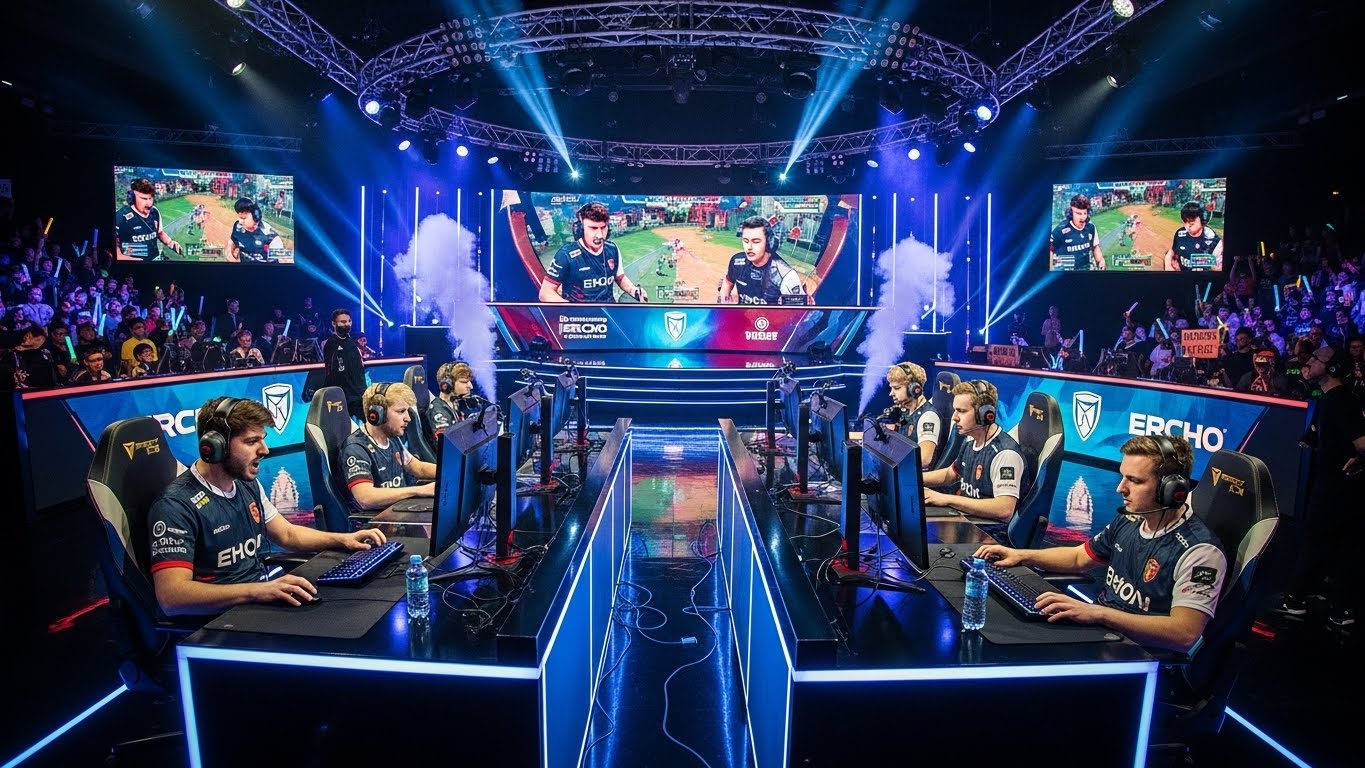
Esports has transformed from a niche hobby into a global phenomenon that captures the attention of millions of players and fans around the world. Once dismissed as mere video games, competitive gaming now stands alongside traditional sports as a legitimate form of entertainment, professional competition, and cultural influence. Esports is more than just playing games—it combines skill, strategy, teamwork, and technology to create an immersive experience for players and spectators alike.
The Origins of Esports
The roots of esports can be traced back to the early days of video gaming. In the 1970s and 1980s, competitive gaming was primarily limited to local arcades and small-scale tournaments. Players competed for high scores in games like Space Invaders, Pac-Man, and Donkey Kong, often earning recognition and small prizes. These early competitions laid the foundation for what would eventually evolve into a structured, professional industry.
The 1990s saw the rise of personal computers and internet connectivity, which revolutionized competitive gaming. Multiplayer games such as Quake, StarCraft, and Counter-Strike allowed players to compete against others from different locations, creating the first global online gaming communities. By the early 2000s, professional leagues and organized tournaments began to emerge, paving the way for esports as we know it today.
Understanding Esports
Esports refers to organized, competitive video gaming where individuals or teams compete at professional or semi-professional levels. These competitions occur across multiple genres, including multiplayer online battle arenas (MOBAs), first-person shooters (FPS), fighting games, and sports simulations. Unlike casual gaming, esports requires discipline, strategy, and rigorous practice. Players train for hours daily to refine their mechanics, study opponents, and improve their teamwork and communication skills.
Popular Esports Genres
Different genres of games cater to various competitive skills and audiences. MOBAs such as League of Legends and Dota 2 emphasize teamwork, strategy, and map control. First-person shooters like Counter-Strike: Global Offensive and Valorant rely on precision, reflexes, and quick decision-making. Fighting games including Street Fighter and Tekken test individual skill, timing, and adaptability, while sports simulation games like FIFA and NBA 2K replicate traditional athletic competition in a digital format. Battle royale games like Fortnite and PUBG combine survival, strategy, and adaptability, making them appealing to a younger audience.
Skills Required for Esports
Competitive gaming demands both mental and physical skills. Hand-eye coordination, reflexes, and precise movements are essential for success in high-level competition. Professional esports players often follow strict practice schedules to maintain peak performance, honing their technical skills over time.
Equally important is mental resilience. Players must maintain focus for extended periods, adapt quickly to unexpected scenarios, and manage the stress of high-stakes matches. Strategy, communication, and the ability to read opponents are crucial skills that distinguish professional players from casual gamers.
The Role of Teams and Coaching
Many esports competitions are team-based, requiring close coordination and communication. Teams operate similarly to traditional sports organizations, with coaches, analysts, and support staff who help develop strategies, study opponents, and optimize performance. Coaches focus on improving team synergy, communication, and mental preparedness, while analysts provide insights on gameplay trends, strengths, and weaknesses.
Team chemistry is essential for success. Players must trust one another, adapt to each other’s play styles, and make real-time decisions as a cohesive unit. A strong team dynamic often determines the outcome of high-level competitions, highlighting the importance of collaboration alongside individual skill.
Esports as a Spectator Sport
Esports has cultivated a massive global audience. Millions of fans watch live tournaments, follow players on streaming platforms, and engage with communities online. The spectator experience is highly interactive, allowing fans to connect directly with players, participate in live chats, and engage in discussions about strategies and game outcomes.
Live events, whether online or in stadiums, create excitement and a sense of community among fans. International tournaments, such as The International and League of Legends World Championship, bring together players and audiences from around the world, fostering cultural exchange and shared passion.
Economic Impact of Esports
Esports has grown into a multi-billion-dollar industry with significant economic influence. Revenue streams include tournament prize pools, sponsorships, advertising, merchandise sales, and media rights. Professional players earn income from salaries, prize winnings, and endorsement deals. Esports teams operate like traditional sports franchises, investing in talent, marketing, and infrastructure to remain competitive.
Beyond players and teams, the esports ecosystem supports a wide range of professionals. Event organizers, content creators, broadcasters, and technical specialists all contribute to the industry’s growth. Esports has created new career opportunities, stimulated technological innovation, and driven global business development.
Careers in Esports
Esports offers diverse career paths beyond competitive play. Players can transition into coaching, commentary, content creation, or management. Analysts, marketers, and production staff contribute to tournaments, events, and team operations. Esports academies and training programs are emerging to develop talent, focusing on skill improvement, teamwork, and career sustainability.
While esports can be lucrative, it is also highly competitive and demanding. Burnout, intense schedules, and short career spans are challenges that players must navigate. Long-term success often requires adaptability, branding, and diversification of skills.
Education and Esports
Educational institutions are increasingly recognizing esports as a tool for skill development and career preparation. Schools and universities offer esports programs, integrating gaming into curricula and extracurricular activities. Participation in esports helps students develop problem-solving, communication, leadership, and technological literacy skills, all of which are transferable to other professional fields.
Structured programs provide mentorship, competitive experience, and academic support, legitimizing esports as a viable career option. By combining education with professional development, students gain opportunities to pursue both passion and profession simultaneously.
Inclusivity and Accessibility
Esports has the potential to be one of the most inclusive competitive arenas. Unlike traditional sports, physical strength, size, and age are less restrictive. Players of different genders, abilities, and backgrounds can compete equally if they have access to technology and training.
Diversity initiatives, women’s leagues, and mixed-gender competitions are helping to make esports more accessible and equitable. By breaking traditional barriers, esports creates opportunities for underrepresented communities to participate and excel in a growing global industry.
Global Tournaments and Events
Esports tournaments have become major international spectacles. Events such as The International, Fortnite World Cup, and Overwatch League Finals draw massive online viewership and in-person attendance. These competitions showcase the highest levels of gameplay, strategy, and teamwork.
Global tournaments provide not only entertainment but also cultural exchange and economic benefits. Host cities experience tourism boosts, local businesses see increased revenue, and fans engage in a shared experience that transcends national borders. The global reach of esports emphasizes its status as a modern, inclusive, and dynamic form of competition.
The Future of Esports
The future of esports is poised for continued growth and innovation. Advancements in technology, including virtual reality, augmented reality, and cloud gaming, will enhance both player performance and spectator experiences. Emerging leagues, improved training methods, and increased inclusivity initiatives will expand the industry’s reach and influence.
Esports is also integrating further into mainstream media, education, and professional sports ecosystems. Its ability to combine technology, entertainment, and human performance makes it a unique and evolving phenomenon that will continue to shape digital culture globally.
Conclusion
Esports is much more than a hobby—it is a global movement redefining competition, entertainment, and community. It requires skill, strategy, discipline, and teamwork, while providing economic opportunities, educational benefits, and social connection. From humble arcade beginnings to massive international tournaments, esports has proven that digital competition can be as thrilling and impactful as any traditional sport.
As esports continues to grow, it will inspire new generations of players, fans, and professionals. It demonstrates that talent, passion, and collaboration can transcend physical boundaries, creating a vibrant global culture that celebrates both competition and connection. Competitive gaming is no longer a niche interest; it is a defining force in modern entertainment.