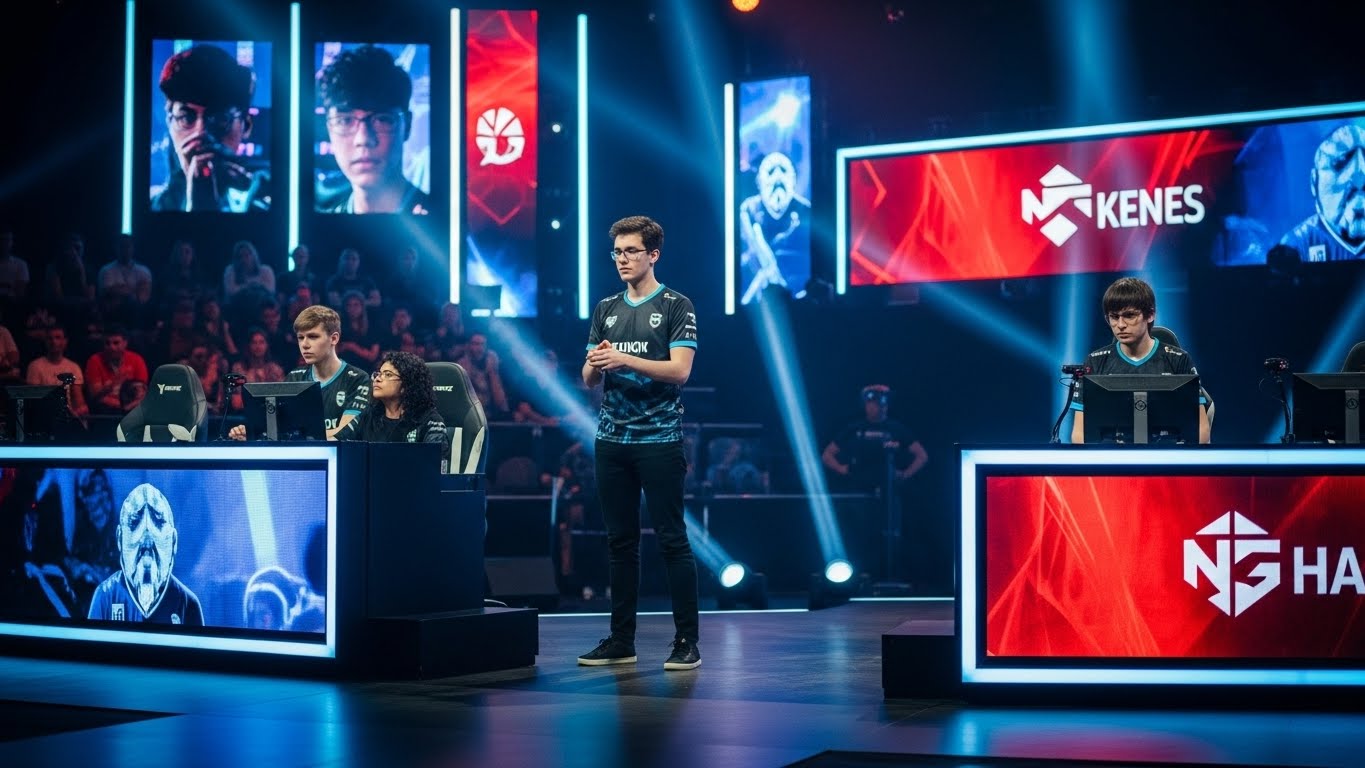
Introduction: The Rise of a Digital Arena
Esports has evolved from small, informal gaming gatherings into a global phenomenon that rivals traditional sports in viewership, revenue, and cultural influence. What was once considered a niche hobby is now a structured industry with professional athletes, international tournaments, dedicated fan bases, and multimillion-dollar prize pools. Esports is not merely about playing video games competitively; it represents a new form of entertainment shaped by technology, community, and global connectivity. This blog explores the growth of esports, its ecosystem, cultural impact, career opportunities, and the challenges it faces as it continues to mature.
Understanding Esports: More Than Just Gaming
Esports, short for electronic sports, refers to organized competitive gaming where players or teams compete in video games under formal rules and structures. These competitions range from local amateur events to global championships held in massive arenas and streamed to millions of viewers. Unlike casual gaming, esports demands discipline, strategy, teamwork, and constant practice. Players specialize in specific games and roles, mastering mechanics, tactics, and mental resilience. The competitive environment mirrors traditional sports, complete with coaches, analysts, training schedules, and performance reviews.
A Brief History of Competitive Gaming
The roots of esports can be traced back to the early days of video games, when high-score competitions and small tournaments began appearing in arcades and universities. As home consoles and personal computers became widespread, multiplayer gaming gained momentum. The expansion of the internet played a crucial role, allowing players from different regions to compete online. Over time, dedicated leagues, sponsors, and streaming platforms helped formalize esports. What started as grassroots competition gradually transformed into a professional industry with global reach.
Popular Esports Genres and Games
Esports encompasses a wide variety of game genres, each appealing to different audiences. Multiplayer online battle arena games emphasize teamwork, strategy, and real-time decision-making. First-person shooters focus on precision, reflexes, and coordination. Real-time strategy games reward long-term planning and resource management, while sports simulation games replicate real-world athletics in digital form. Fighting games highlight individual skill, timing, and psychological tactics. This diversity allows esports to attract fans with varied interests, contributing to its widespread appeal.
The Esports Ecosystem: Teams, Leagues, and Tournaments
At the heart of esports lies a complex ecosystem that supports competitive play. Professional teams recruit talented players, provide training facilities, and manage branding and sponsorships. Leagues and tournament organizers create structured competition formats, ensuring consistency and fairness. Event production companies handle broadcasting, stage design, and audience engagement. Sponsors and advertisers invest in teams and events to reach a young, tech-savvy audience. Together, these elements form an interconnected system that sustains the industry’s growth.
Esports Athletes: Training, Discipline, and Performance
Professional esports players are often referred to as athletes, and for good reason. Their success depends on intense training regimens that include hours of practice, strategy sessions, and physical conditioning. Mental health and focus are critical, as high-pressure matches can be mentally exhausting. Many players work with coaches, psychologists, and nutritionists to maintain peak performance. Reaction time, hand-eye coordination, and communication skills are constantly refined. The dedication required challenges the outdated perception that gaming lacks discipline or athleticism.
The Role of Technology and Streaming
Technology is the backbone of esports. High-performance hardware, low-latency internet, and advanced software enable fair and competitive play. Streaming platforms have revolutionized how fans consume esports, allowing live interaction through chat, real-time statistics, and community discussions. Viewers are not just passive spectators; they actively engage with players, commentators, and fellow fans. This interactive element creates a sense of belonging and helps build strong, loyal communities around teams and games.
Cultural Impact and Global Reach
Esports transcends geographical and cultural boundaries. Players and fans from different countries connect through shared passion, creating a truly global culture. International tournaments showcase diverse styles of play and foster cross-cultural exchange. Esports has influenced fashion, music, and online language, becoming a defining element of youth culture. Educational institutions now recognize esports through scholarships and academic programs, further legitimizing its place in society.
Career Opportunities Beyond Playing
While professional players often receive the most attention, esports offers a wide range of career paths. Coaching, team management, event organization, broadcasting, content creation, marketing, and game development are just a few examples. Journalists, analysts, and researchers contribute to storytelling and strategic understanding. As the industry grows, demand increases for professionals with skills in business, technology, and media. This diversity makes esports an attractive field for individuals with varied talents and interests.
Economic Growth and Industry Value
The esports industry generates revenue through sponsorships, advertising, merchandise, ticket sales, and media rights. Major brands from technology, fashion, food, and automotive sectors invest heavily in esports partnerships. Cities compete to host large tournaments due to their economic impact on tourism and local businesses. This financial growth reflects esports’ transition from a subculture to a mainstream entertainment industry with long-term potential.
Challenges Facing the Esports Industry
Despite its success, esports faces several challenges. Player burnout is a growing concern due to intense schedules and early career peaks. Maintaining competitive integrity requires constant vigilance against cheating and match-fixing. Diversity and inclusion remain ongoing issues, as certain groups are underrepresented at the professional level. Additionally, the rapid pace of technological change can make sustainability difficult for smaller organizations. Addressing these challenges is essential for the industry’s continued credibility and growth.
The Future of Esports
The future of esports looks promising, with continued expansion into new markets and integration with emerging technologies. Virtual reality, augmented reality, and artificial intelligence may redefine how games are played and viewed. Increased collaboration with traditional sports organizations could further bridge the gap between physical and digital competition. As audiences grow older and more diverse, esports will likely evolve in content, presentation, and community engagement. The industry’s adaptability suggests that it will remain a significant part of global entertainment for years to come.
Conclusion: A New Definition of Competition
Esports represents a shift in how competition, entertainment, and community are experienced in the digital age. It combines skill, strategy, technology, and culture into a dynamic and rapidly evolving industry. From professional athletes and passionate fans to diverse career opportunities and global influence, esports has proven that competition is no longer confined to physical arenas. As it continues to grow and mature, esports challenges traditional definitions of sport and opens new possibilities for connection, creativity, and achievement in a connected world.