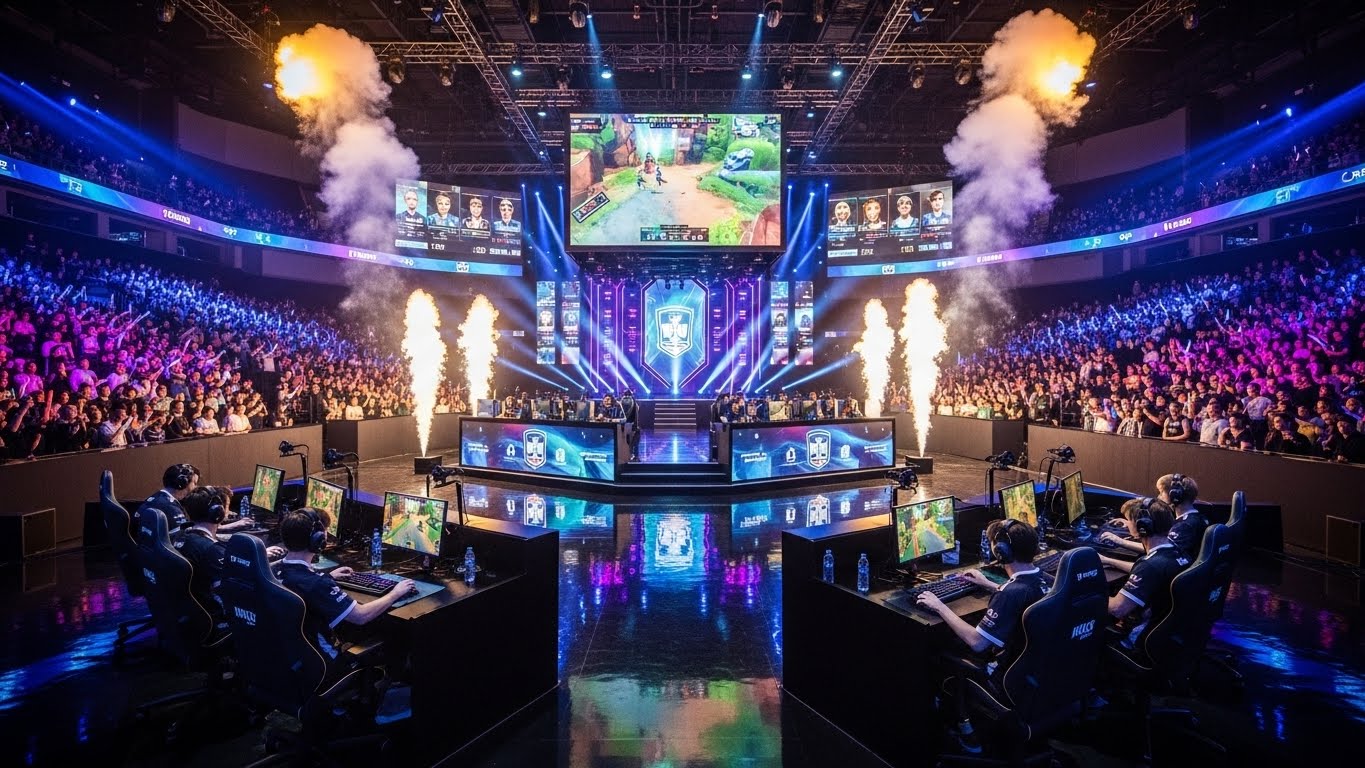
Esports has evolved from humble beginnings into a global phenomenon, captivating millions of players and fans worldwide. What was once considered a niche hobby has now transformed into a multi-billion-dollar industry, complete with professional teams, international tournaments, sponsorships, and massive online followings. Esports is no longer just a form of entertainment; it is a competitive sport, a cultural movement, and a career path for countless individuals. This blog explores the rise of esports, its impact, and its future in the digital age.
What is Esports and Why It Matters
Esports, short for electronic sports, refers to competitive video gaming where players or teams compete in organized tournaments. Unlike casual gaming, esports demands high levels of skill, strategy, reflexes, and teamwork. Popular esports titles range from first-person shooters and real-time strategy games to multiplayer online battle arenas, each offering unique challenges and competitive dynamics.
The significance of esports lies not only in competition but in community and culture. Millions of fans follow professional players, stream matches online, and participate in forums and discussions. Esports has created global connections, transcending language and geography while celebrating the shared love of gaming.
The Evolution of Esports: From Arcades to Global Arenas
Esports has a rich history that spans decades. In the 1970s and 1980s, gaming competitions were small events held in arcades or local communities. These early competitions were often informal but sparked the idea of gaming as a competitive pursuit.
With the growth of the internet in the 1990s, online multiplayer games allowed players to compete across distances, giving rise to organized tournaments. Games like StarCraft and Counter-Strike became early esports staples, fostering dedicated communities.
By the 2000s, esports had grown into a professional enterprise. Large tournaments, sponsored events, and international competitions emerged, attracting players from around the world. Today, esports commands massive stadiums, millions of online viewers, and professional organizations that rival traditional sports franchises.
Popular Esports Titles and Their Unique Appeal
Esports encompasses a wide array of game genres, each offering distinct competitive experiences. First-person shooters like Call of Duty and Counter-Strike demand precision, quick reflexes, and tactical awareness. Multiplayer online battle arenas such as League of Legends and Dota 2 emphasize teamwork, strategic planning, and coordination. Real-time strategy games like StarCraft test a player’s ability to make quick decisions under pressure.
Each game cultivates a dedicated fan base, and the diversity of titles ensures there is something for every type of gamer. The variety also allows esports to appeal to a wide demographic, from casual enthusiasts to professional competitors seeking intense competition.
The Life of a Professional Esports Athlete
Becoming a professional esports player requires dedication, discipline, and a structured approach to training. Unlike casual gaming, professional players follow strict schedules, often practicing for eight to twelve hours a day to refine skills and develop strategies.
Mental resilience is crucial, as competitive pressure, travel schedules, and audience expectations can be intense. Physical fitness is also important; many players maintain exercise routines to enhance focus, endurance, and overall well-being. Coaches, analysts, and support staff often assist players in improving performance, monitoring progress, and maintaining a healthy lifestyle.
Esports Teams and Organizations
Professional esports players are usually part of teams or organizations that provide the structure and resources necessary to succeed. These organizations handle sponsorships, branding, marketing, and logistics, allowing players to focus on performance.
Teams also provide coaches, analysts, and psychologists to improve gameplay, develop strategies, and manage stress. Professional organizations have transformed esports into a sustainable career path, creating opportunities for players, content creators, and support staff alike.
Esports Tournaments and Spectator Culture
Tournaments are the backbone of esports, attracting massive audiences both in-person and online. Events like The International, League of Legends World Championship, and Fortnite World Cup showcase the highest levels of skill and strategy, drawing millions of viewers worldwide.
The spectator experience is immersive, combining live gameplay, expert commentary, analysis, and community interaction. Fans celebrate victories, experience the tension of close matches, and engage with their favorite players. The growth of live streaming platforms has made esports accessible to anyone with an internet connection, further expanding its reach.
The Economic Impact of Esports
Esports has become a powerful economic force. Professional teams, tournaments, sponsorships, merchandise, and streaming generate billions of dollars annually. Companies invest in esports to reach younger audiences, leveraging sponsorships, advertisements, and branded content.
The industry also supports related sectors such as technology, media production, event management, and marketing. The economic growth of esports demonstrates its legitimacy as both a competitive sport and a business enterprise.
The Role of Esports in Education
Esports has found a place in educational institutions, with schools and universities offering esports programs, clubs, and scholarships. These programs teach valuable skills such as teamwork, communication, strategic thinking, and leadership.
Esports programs also encourage students to explore careers in technology, media, and event management. By integrating gaming into education, institutions provide students with opportunities for personal growth and skill development while fostering engagement and collaboration.
Social and Cultural Influence of Esports
Esports has reshaped cultural norms and social interaction. It connects people across the globe, creating communities based on shared passion rather than geography. Online forums, social media, and streaming platforms allow fans to interact, share experiences, and celebrate achievements together.
Esports also challenges traditional perceptions of competition. Success is determined by skill, strategy, and teamwork rather than physical strength, promoting inclusivity and diversity. It provides a platform for individuals of all backgrounds to participate, excel, and be recognized for their talents.
Challenges Facing the Esports Industry
Despite its success, esports faces challenges. Player burnout is a common concern, as intense schedules and competitive pressure can lead to stress and fatigue. Maintaining fair competition, addressing cheating, and ensuring ethical behavior are ongoing priorities.
The industry must also navigate issues of mental health, diversity, and sustainability. Developing long-term career opportunities for players and creating safe, supportive environments are essential for continued growth. Addressing these challenges will ensure esports remains a viable and respected global industry.
Technology and Innovation in Esports
Technology is central to the evolution of esports. Advancements in graphics, virtual reality, augmented reality, and artificial intelligence have enhanced gameplay, training, and spectator experiences. AI-driven analytics help teams optimize strategies, identify weaknesses, and improve performance.
Live streaming and cloud gaming have expanded accessibility, allowing fans to watch and participate in esports events anywhere in the world. Technology continues to push the boundaries of what is possible, making esports more immersive, interactive, and engaging.
The Future of Esports
The future of esports is filled with potential. Emerging technologies will create more immersive experiences, while the continued professionalization of the industry will provide sustainable career paths. Esports may become integrated into mainstream sporting events, and global tournaments are likely to attract even larger audiences.
Esports will continue to shape entertainment, culture, and digital interaction, offering opportunities for innovation, collaboration, and global connection. Its growth shows no signs of slowing, making esports one of the defining movements of modern entertainment.
Conclusion: Esports as a Cultural and Competitive Force
Esports has transcended the boundaries of traditional gaming to become a cultural, social, and economic force. It has created global stars, fostered communities, and revolutionized how we think about competition and entertainment.
From small local competitions to stadium-filling international tournaments, esports demonstrates the power of passion, skill, and innovation. As technology advances and audiences continue to grow, esports will remain a major influence on the digital era, connecting people, inspiring new talent, and redefining what it means to compete.
Esports is not just a trend; it is a movement that celebrates skill, strategy, and community, shaping the future of gaming and entertainment worldwide.