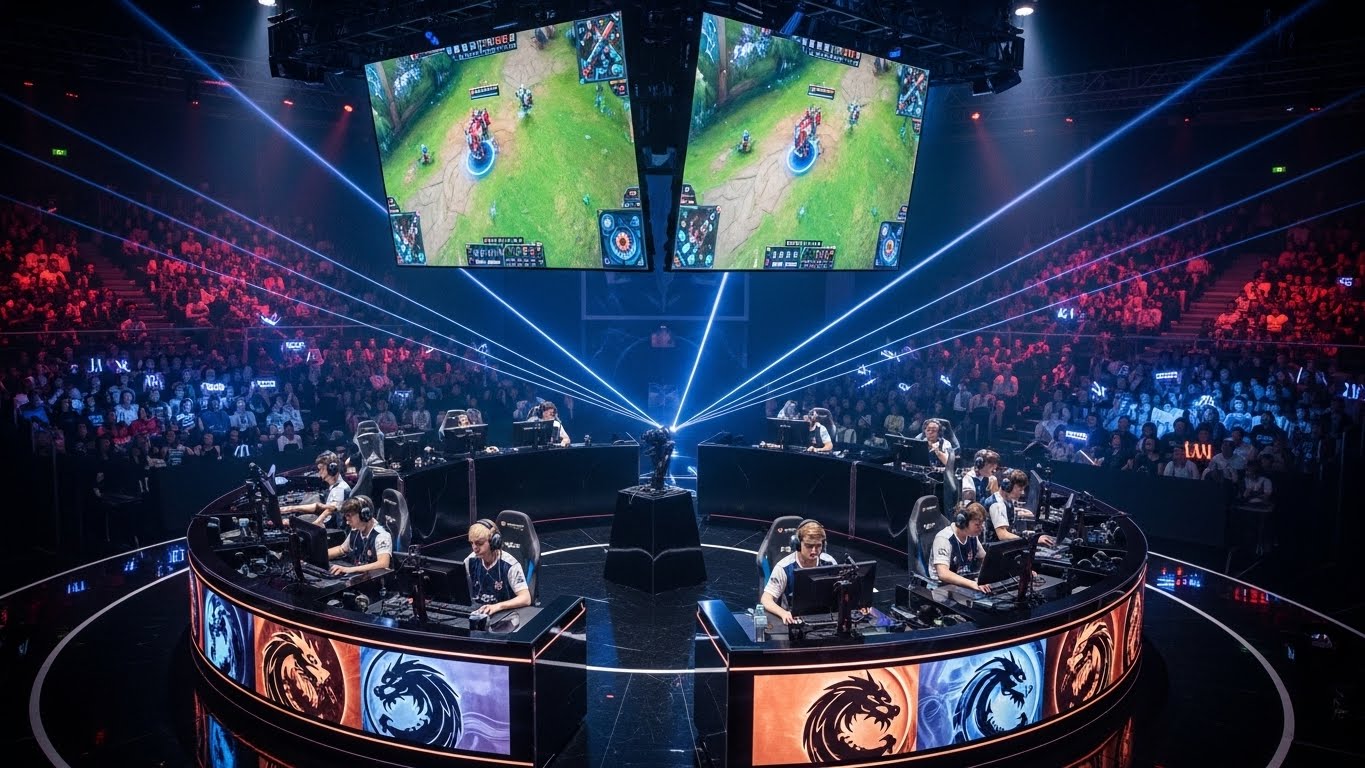
Introduction: The Rise of Esports
The world of entertainment has experienced a massive shift in the past two decades, and esports has emerged as one of the most influential forces driving this change. Esports, or competitive gaming, refers to organized video game competitions where professional players and teams compete for prizes, recognition, and global acclaim. What started as casual tournaments among enthusiasts has transformed into a billion-dollar industry with millions of viewers worldwide. Unlike traditional sports, esports combines cutting-edge technology, entertainment, strategy, and community engagement, creating a unique form of competition that resonates with modern audiences.
The Origins of Esports
Esports traces its roots back to the early days of arcade and PC gaming in the 1980s and 1990s. Early competitions like the Space Invaders Championship and local arcade tournaments laid the foundation for organized competitive gaming. As the internet became more accessible, online multiplayer games such as StarCraft, Counter-Strike, and Warcraft III gave rise to international competitions and professional leagues. These early tournaments demonstrated the potential for competitive gaming to attract audiences, foster community, and generate revenue. Over time, esports evolved from niche gatherings into a global phenomenon supported by sponsors, streaming platforms, and professional organizations.
Popular Esports Games
Esports spans a wide variety of game genres, each requiring different skills and strategies. Multiplayer online battle arena (MOBA) games such as League of Legends and Dota 2 are among the most popular, emphasizing teamwork, strategy, and real-time decision-making. First-person shooters like Counter-Strike: Global Offensive and Call of Duty test precision, reflexes, and coordination. Battle royale games, including Fortnite and PUBG, combine strategy, survival skills, and adaptability. Fighting games like Street Fighter and Tekken focus on timing, skill mastery, and one-on-one competition. The diversity of esports titles ensures there is something for every type of gamer, from strategic thinkers to fast-paced action enthusiasts.
The Professionalization of Esports
Esports has undergone significant professionalization in recent years. Professional teams operate much like traditional sports franchises, with coaches, analysts, and support staff guiding player development. Players train rigorously, often practicing for several hours a day to refine skills, strategies, and teamwork. Leagues and tournaments, such as the League of Legends World Championship, Dota 2’s The International, and the Call of Duty League, offer structured competitive environments with standardized rules and prize pools that reach millions of dollars. This professionalization has elevated esports from hobbyist competitions to a recognized career path for talented players worldwide.
Esports and Streaming Platforms
Streaming platforms have played a pivotal role in esports growth by connecting players with global audiences. Platforms such as Twitch, YouTube Gaming, and other live-streaming services allow fans to watch professional matches, interact with players, and engage with content creators. Live broadcasts, commentary, and analysis enhance viewer experience and provide an interactive element that traditional sports often lack. Streaming also offers aspiring players exposure and opportunities to build personal brands, expanding the reach and accessibility of esports beyond traditional tournament settings.
The Economic Impact of Esports
The esports industry has grown into a multi-billion-dollar global market. Revenue streams include tournament prize pools, sponsorships, advertising, merchandise sales, and streaming platform partnerships. Major corporations and brands invest heavily in esports to reach younger, tech-savvy audiences, recognizing the marketing potential of competitive gaming. Additionally, esports contributes to job creation in areas such as event management, broadcasting, content creation, coaching, and software development. The economic footprint of esports demonstrates that it is not merely entertainment but a thriving industry with significant influence on technology, media, and global commerce.
Esports and Community Engagement
One of esports’ defining features is its ability to build communities. Fans engage with teams, players, and fellow viewers through social media, forums, and streaming chats. Online communities provide spaces for discussion, strategy sharing, and fan engagement, creating a sense of belonging among participants. Esports events, both online and offline, foster social interaction and fan culture, making spectators feel directly involved in the competitive scene. Community engagement enhances loyalty and investment in the esports ecosystem, reinforcing its cultural significance and expanding its reach.
The Role of Technology in Esports
Technology is at the core of esports, enabling real-time competition, streaming, and analytics. High-performance hardware, low-latency internet connections, and specialized gaming peripherals allow players to perform at elite levels. Data analytics and artificial intelligence support player performance evaluation, strategy optimization, and audience engagement. Advanced graphics, immersive sound, and interactive broadcast technologies enhance the spectator experience. The seamless integration of technology ensures esports remains competitive, fair, and engaging, while continually pushing the boundaries of digital entertainment.
Esports as a Career Path
Esports offers diverse career opportunities beyond professional gameplay. Players can pursue roles as coaches, analysts, or content creators, while event organizers, commentators, and broadcasters contribute to the industry’s ecosystem. Marketing, sponsorship management, and software development are additional avenues for professionals interested in esports as a career. The industry’s rapid growth has legitimized gaming as a viable profession, attracting talent worldwide and redefining perceptions of video games as mere leisure activities. Aspiring esports professionals combine skill, discipline, and strategic thinking to succeed in this competitive environment.
The Cultural Significance of Esports
Esports has evolved into a cultural phenomenon, shaping entertainment, media, and social trends. Major tournaments draw millions of viewers, comparable to traditional sports championships. Gaming culture influences music, fashion, and online communities, while esports celebrities and streamers achieve global recognition. Esports also fosters cross-cultural exchange, bringing together players and fans from diverse backgrounds. Beyond entertainment, esports contributes to discussions around teamwork, strategy, and digital literacy, reflecting broader societal trends in technology, connectivity, and youth culture.
Challenges Facing Esports
Despite its growth, esports faces several challenges. Regulatory inconsistencies, especially across countries, can complicate tournament organization and player participation. Issues such as player burnout, mental health concerns, and performance pressure highlight the demanding nature of professional gaming. The industry also contends with toxicity, cheating, and inclusivity challenges, requiring ongoing attention to maintain fair and welcoming environments. Addressing these challenges is crucial to ensure sustainable growth, player well-being, and the integrity of esports competitions worldwide.
The Future of Esports
The future of esports is bright, with continuous innovation driving expansion. Emerging technologies, including virtual reality, augmented reality, and cloud gaming, promise new immersive experiences. Cross-platform competition and mobile esports are likely to broaden participation and accessibility. Increased investment from sponsors, governments, and educational institutions will further legitimize esports as a professional and cultural enterprise. As esports continues to integrate technology, entertainment, and community, it is poised to remain a dominant force in the global entertainment landscape.
Conclusion: Esports as a Modern Entertainment Frontier
Esports represents the intersection of technology, competition, and culture in the modern era. From humble beginnings in local tournaments to global championships attracting millions of viewers, esports has transformed the way people play, watch, and interact with games. It offers career opportunities, fosters communities, and drives technological innovation, making it a central component of contemporary entertainment. As the industry continues to grow, esports will redefine what it means to compete, connect, and engage in a digital world, establishing itself as a lasting and transformative cultural phenomenon.