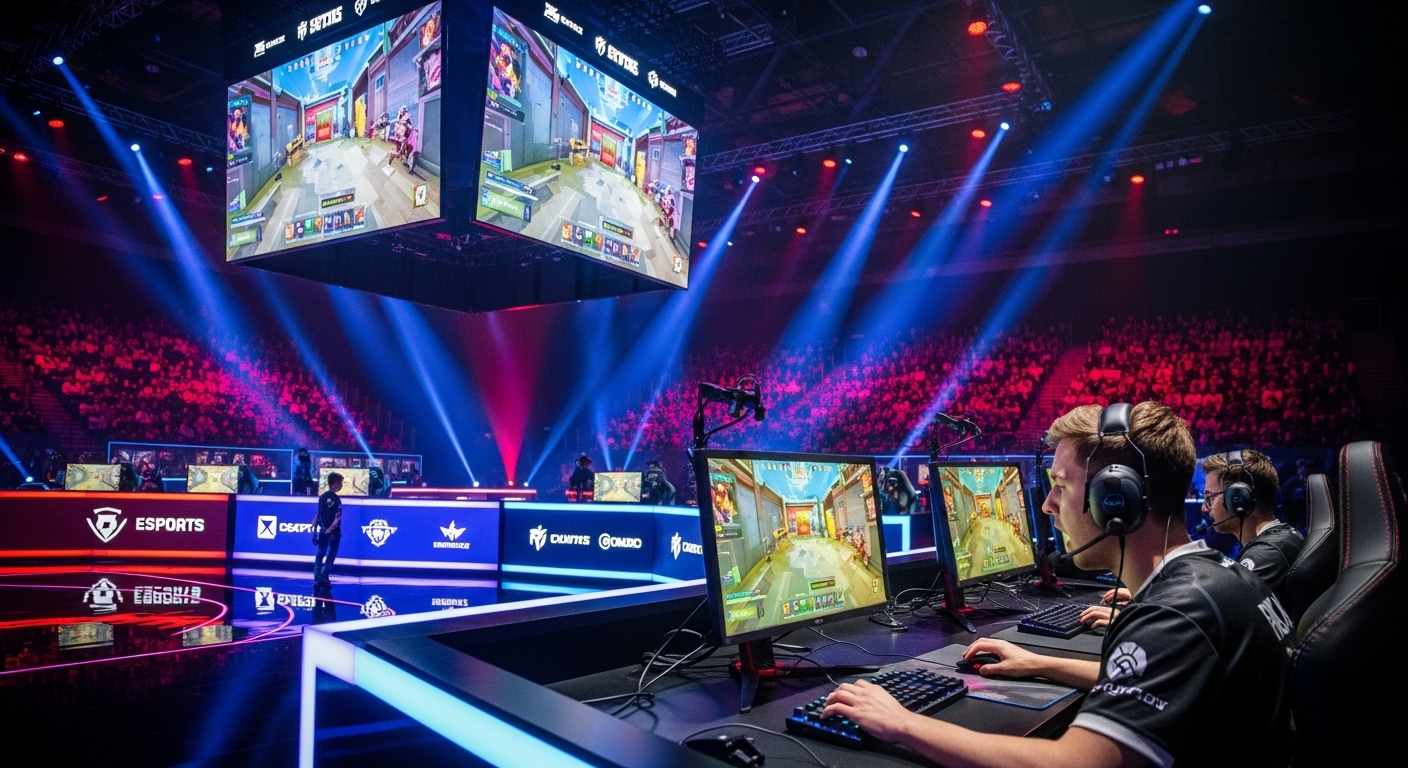
Over the past decade, esports has transformed from a niche hobby to a global entertainment powerhouse, captivating millions of fans around the world. What’s more, it has given rise to a unique subculture that extends far beyond the games themselves. One of the most exciting and unexpected trends emerging from this world is the fusion of esports and fashion. Esports fashion, characterized by its blend of streetwear, athletic gear, and gaming culture, is now shaping a new wave of youth style. But how did we get here, and what makes this trend so influential? In this post, we’ll explore how esports is influencing fashion, and how the lines between gaming and streetwear are increasingly blurred.
1. The Rise of Esports as a Cultural Force
Esports has come a long way from its early days as a niche activity for hardcore gamers. Today, competitive gaming is a multibillion-dollar industry, with professional leagues, sold-out arenas, and massive streaming platforms like Twitch and YouTube Gaming bringing esports to the forefront of pop culture. As the esports ecosystem expanded, it began to attract not only players and fans but also brands, celebrities, and influencers from other industries.
Why It’s Important:
- Global Reach: Esports tournaments like the League of Legends World Championship or The International attract millions of viewers worldwide, creating a massive global fanbase that transcends geographical boundaries.
- Celebrity Involvement: High-profile figures from other areas of entertainment, including athletes, musicians, and actors, have increasingly become involved in the esports scene, either as investors, players, or sponsors. This has further legitimized esports as a mainstream cultural phenomenon.
As esports became more mainstream, it was only natural that it would begin influencing other aspects of youth culture—especially fashion. What began as a trend within the gaming community has now evolved into a significant cultural movement, with streetwear brands, designers, and even luxury labels recognizing the growing influence of gaming culture on style.
2. The Intersection of Streetwear and Esports
Streetwear, a style rooted in skate and hip-hop cultures, has long been a dominant force in global fashion. Brands like Supreme, Off-White, and Nike have not only shaped the way people dress but also redefined what fashion means to the modern generation. The rise of esports has created a new cultural arena where streetwear and gaming culture collide.
Why It’s Important:
- Influence of Esports Teams: Just like traditional sports teams, esports organizations have become brands in their own right, with their own dedicated fanbases. These organizations often partner with streetwear brands to create limited-edition merchandise, including jerseys, hoodies, caps, and sneakers. The esports team’s logo, player names, and game references blend seamlessly into the designs, making these pieces highly coveted by fans.
- Athleisure Aesthetic: Esports players, like traditional athletes, spend long hours training, competing, and traveling. As a result, comfort and functionality are at the forefront of esports fashion. The athleisure trend—clothing that combines athletic functionality with street-style appeal—has become a dominant feature of esports apparel, with items like joggers, track jackets, and high-performance sneakers being staples for both players and fans.
- Pop Culture Crossover: Esports fashion draws inspiration from other subcultures, such as hip-hop, skateboarding, and punk. The blend of these styles gives esports fashion an edge that resonates with young people who value both comfort and statement pieces. Just like how streetwear integrates logos and graphic designs, esports fashion incorporates elements like team emblems, game-related graphics, and digital culture references.
This intersection has created a fresh, exciting way for fans to express their passion for gaming and esports while staying on top of the latest fashion trends. Esports gear is no longer limited to jerseys worn during tournaments but has evolved into a lifestyle brand that reflects a growing cultural identity.
3. Esports Stars as Fashion Icons
As esports continues to grow, the players themselves have become influencers in their own right. Many top-tier players, from the likes of Faker in League of Legends to Ninja in Fortnite, have cultivated large followings, not just for their gameplay but for their sense of style. Just like traditional athletes and musicians, esports stars are being recognized for their fashion choices, influencing the wardrobes of millions of young fans.
Why It’s Important:
- Streamers as Trendsetters: Popular streamers and players are frequently spotted wearing the latest streetwear, often collaborating with brands to create custom gear or fashion lines. For example, Tyler “Ninja” Blevins has collaborated with major fashion brands like Adidas, while other esports players have their own clothing lines, featuring both esports-related designs and mainstream streetwear aesthetics.
- Athlete-Celebrity Crossover: Esports players, like their counterparts in traditional sports, are becoming fashion icons. With the increase in brand partnerships and endorsement deals, many esports athletes are seen in high-end fashion, mixing luxury with casual streetwear. This crossover not only elevates the players’ personal brands but also reinforces the merging of gaming culture with mainstream fashion.
Esports stars are no longer just celebrated for their gaming prowess; their influence on fashion makes them role models in an entirely new way. As a result, they serve as ambassadors for the broader esports lifestyle, making their clothing choices a focal point for both fans and the fashion industry.
4. Collaborations Between Esports Teams and Fashion Brands
Esports teams have become major players in the fashion world, frequently collaborating with streetwear labels, designers, and even high-end brands to create exclusive apparel lines. These collaborations have proven to be lucrative, with some limited-edition esports merchandise selling out in minutes. These partnerships reflect the growing intersection between esports and fashion, as both industries look for ways to tap into each other’s massive audiences.
Why It’s Important:
- Esports and Streetwear Partnerships: Well-known streetwear brands are increasingly collaborating with esports organizations to produce co-branded apparel. Teams like Cloud9, G2 Esports, and FaZe Clan have partnered with companies such as Champion, Puma, and even Louis Vuitton to design unique collections. These collaborations bring gaming culture into the mainstream fashion scene, making esports clothing desirable not only for fans but also for streetwear aficionados.
- Exclusive Drops and Limited Editions: Just like other streetwear brands, esports teams have adopted the “drop” model, releasing limited-edition collections that generate hype and excitement. This scarcity factor drives demand, with fans eagerly waiting to purchase official team jerseys, hoodies, and accessories as soon as they become available.
- Luxury Meets Gaming: High-end brands are increasingly recognizing esports as a potential market. For example, Louis Vuitton partnered with Riot Games for the 2019 League of Legends World Championship, creating custom jackets and a trophy case for the event. This high-fashion crossover helps bring esports into the global luxury market, adding prestige to the growing industry.
These collaborations have not only helped expand the reach of esports but have also solidified its place in the world of fashion, showcasing that esports is more than just about competition—it’s about culture and lifestyle.
5. Esports Apparel: Beyond the Tournament
While esports merchandise like team jerseys is iconic during events, the fashion trend goes far beyond tournament wear. Players and fans alike embrace a more casual, everyday look that incorporates esports themes while blending seamlessly with streetwear aesthetics. The focus is not just on performance gear but also on creating a lifestyle wardrobe.
Why It’s Important:
- Versatility in Design: Esports apparel, from graphic tees to hats and sneakers, has evolved to be more versatile. Fans wear these items not just at events but as part of their daily outfits. The designs feature bold logos, team emblems, and references to iconic games, making them fashion statements that can be worn outside the gaming world.
- Casual Gaming Lifestyle: The rise of “gaming chairs” and other esports-inspired home decor has extended the influence of esports fashion to daily life. Now, esports apparel is part of the larger lifestyle that gaming enthusiasts embrace—whether they’re gaming at home, hanging out with friends, or attending a live event.
- Celebrity-Endorsed Fashion: As esports celebrities become more involved in fashion, they are helping to normalize gaming culture in everyday fashion. With influencers, players, and streamers wearing esports-inspired streetwear in public, the stigma around gaming culture being “nerdy” or “isolated” is starting to fade.
The rise of esports as a lifestyle has blurred the lines between functional gaming gear and fashion-forward streetwear, making esports apparel a staple of casual wardrobes around the world.
Conclusion: The Future of Esports Fashion
Esports fashion has evolved from basic team jerseys to an entire subculture that fuses gaming and streetwear. With its roots in both competitive gaming and everyday street culture, esports fashion continues to shape how young people express themselves. As collaborations between esports teams and high-end brands continue to grow, and as esports stars emerge as fashion icons, this trend will only gain more momentum. The future of esports fashion looks bright, as gaming culture becomes a key influence on mainstream fashion, creating a new era where the worlds of esports and style merge seamlessly.