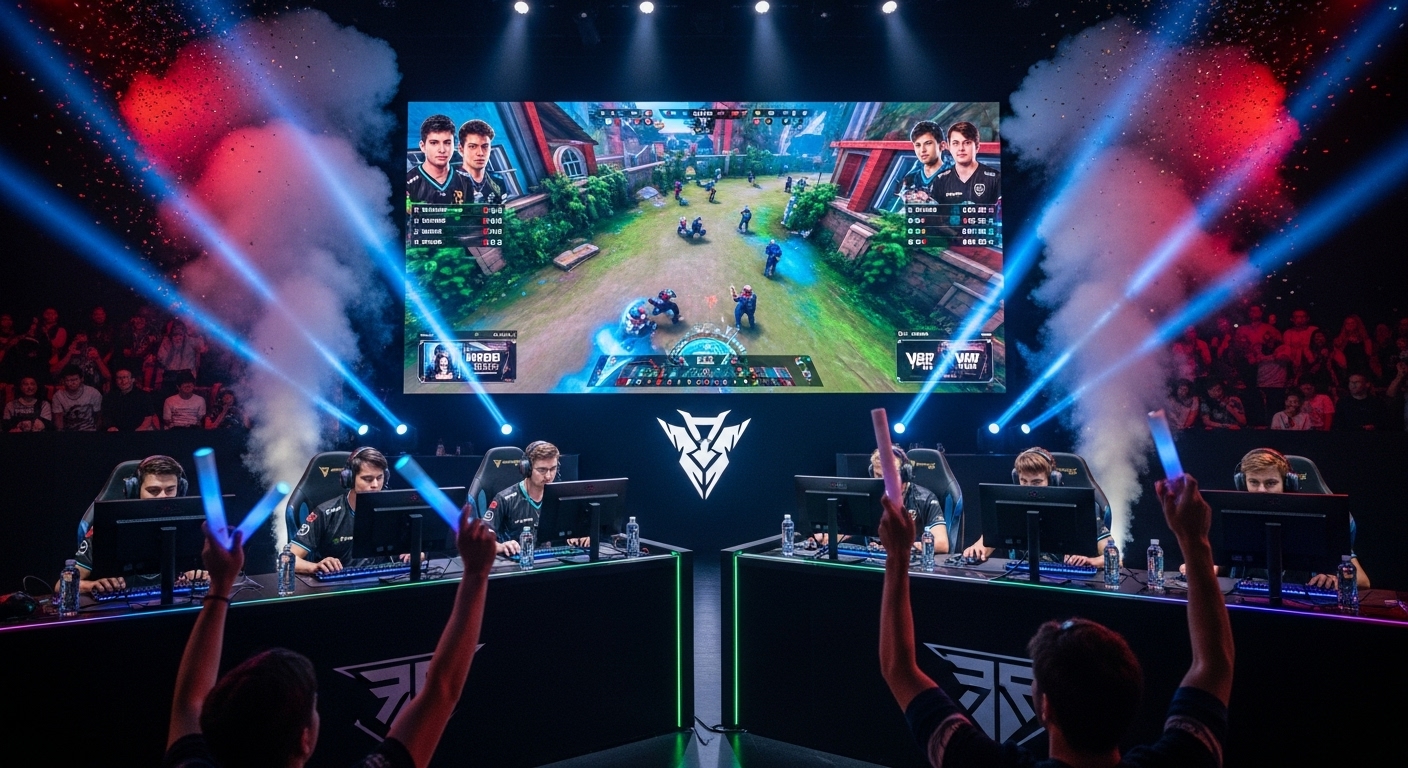
Introduction: The Rise of a Digital Empire
Esports, a term that was once only familiar to hardcore gamers, has now become a global phenomenon. What started as a niche hobby has evolved into a billion-dollar industry, with professional players, lucrative tournaments, and a worldwide fan base. Competitive gaming, or esports, has not only captured the attention of millions but has also established itself as a legitimate career path for thousands of individuals. In this blog, we will explore how esports has become a digital revolution, impacting not only the world of gaming but also the broader entertainment, sports, and media industries. From its humble beginnings to its current status as a global powerhouse, esports is changing the way we think about competitive sports.
The Origins of Esports: A Game-Changer for Gaming Culture
To understand the meteoric rise of esports, it’s essential to take a step back and examine the early days of video gaming. The 1970s and 1980s were a time when arcade games like Pong, Space Invaders, and Pac-Man ruled the gaming scene. These games allowed players to compete for high scores, but the competitive aspect was limited to casual bragging rights and local challenges.
The real seeds of competitive gaming began to sprout in the 1990s with the advent of multiplayer games that allowed players to battle against each other over local area networks (LANs). Games like Doom, Warcraft, and Quake introduced a new dimension to gaming: the ability to play against others remotely. LAN parties, where gamers would gather together to compete against one another, became a precursor to the esports tournaments of today.
The early 2000s saw the formation of major competitive leagues like the World Cyber Games (WCG) and the Electronic Sports League (ESL), which provided a platform for players to compete in an organized setting. In South Korea, the game StarCraft became a cultural phenomenon, leading to televised esports tournaments and the rise of professional gamers. The success of these events sparked interest from players and fans around the world, marking the beginning of esports as we know it.
Esports in the Digital Age: Streaming and Global Viewership
The 2010s marked a turning point for esports. The rise of online streaming platforms like Twitch and YouTube Gaming revolutionized the way fans consumed esports content. Previously, esports tournaments were mostly broadcast in limited regions or on niche TV channels. But with the advent of live streaming, millions of viewers could now tune in to watch tournaments from anywhere in the world.
The power of live streaming, particularly on Twitch, was a game-changer for the esports ecosystem. Players, teams, and even casual gamers could now broadcast their gameplay, interact with fans, and build personal brands. This democratization of content creation allowed for a new breed of esports stars to emerge, each building dedicated followings through their streaming channels.
Tournaments such as the League of Legends World Championship and The International (Dota 2) grew in prominence, drawing millions of viewers and becoming major events in the gaming world. Esports tournaments began to rival traditional sports events in terms of viewership, with some major competitions attracting more viewers than the Super Bowl or the FIFA World Cup.
The accessibility of live streaming allowed esports to become a truly global phenomenon. Fans from different corners of the world could unite to cheer on their favorite teams and players. Esports no longer needed a physical arena to thrive—it had found a home in the digital realm.
The Business of Esports: An Industry Beyond Gaming
Esports has grown into a multi-billion-dollar industry, driven by several key revenue streams: sponsorships, advertising, media rights, merchandise sales, and ticket sales. These elements have transformed competitive gaming from a niche hobby into a full-fledged industry with global reach.
Sponsorships are the largest source of revenue for esports organizations. Major brands such as Intel, Coca-Cola, Mercedes-Benz, and Red Bull have become key sponsors in the esports space, aligning themselves with top-tier teams and tournaments. These companies understand the value of reaching a young, tech-savvy audience, and esports provides the perfect platform to do so.
Advertising also plays a crucial role in the financial success of esports. Platforms like Twitch and YouTube Gaming generate revenue through targeted ads, while tournament organizers sell advertising space during their live broadcasts. In addition to traditional advertising, in-game sponsorships and product placements have become increasingly common. For example, brands may sponsor in-game items or skins, providing them with a direct presence in the digital environment where the game is played.
Another major revenue stream comes from merchandise sales. Fans are eager to support their favorite teams and players by purchasing jerseys, hats, and other branded items. The sale of merchandise has grown into a multi-million-dollar industry, as esports teams build global fanbases and create branded products for their supporters.
Finally, ticket sales for live esports events continue to grow. Major tournaments like The International and League of Legends Worlds sell out massive arenas, with fans willing to pay top dollar to see their favorite teams compete in person. The combination of high ticket prices, event sponsorships, and broadcasting rights ensures that large-scale esports events generate substantial revenue.
Esports as a Career Path: Professional Gamers and Support Staff
In the past, gaming was seen as a pastime or hobby, but today it has transformed into a viable career path. Esports players now have the opportunity to make a living playing their favorite games professionally. While the road to becoming a professional esports player is not easy, the rewards for those who succeed can be immense.
Professional esports players train extensively, often practicing for hours each day to refine their skills, improve their reaction times, and develop team strategies. Much like traditional athletes, esports players must maintain peak physical and mental condition to perform at their best. The pressure to succeed is high, and the best players are often regarded as celebrities within the esports community.
Beyond the players themselves, the esports ecosystem includes a wide range of support staff. Coaches, analysts, content creators, broadcasters, and event organizers all play crucial roles in the success of esports teams and tournaments. Coaches help players improve their strategies, while analysts provide in-depth data and insights to optimize performance. Broadcasters and commentators bring the action to life, engaging fans and enhancing the viewing experience.
Esports has created a new wave of career opportunities, with individuals pursuing roles in team management, marketing, event production, and more. The rise of college and university esports programs has also opened doors for aspiring professionals to gain education and training while competing at a high level.
The Global Impact of Esports: From Entertainment to Culture
Esports has not only changed the landscape of competitive gaming but has also had a profound impact on global culture. In countries like South Korea, esports has become a mainstream form of entertainment, with televised tournaments and professional players achieving celebrity status. The rise of esports has also helped to normalize gaming, once considered a niche or even a stigmatized activity, and turned it into a legitimate form of competition and entertainment.
One of the defining features of esports is its global appeal. Unlike traditional sports, which are often confined to specific countries or regions, esports transcends national borders. Tournaments like The International and League of Legends Worlds attract players and fans from all over the globe. The universality of esports creates a sense of connection between people from different cultures, united by their love of gaming.
The integration of esports into popular culture is also evident in the growing presence of esports in mainstream media. Media outlets like ESPN have started to cover esports events, while other traditional sports organizations have embraced esports by creating their own esports leagues. In fact, some professional sports teams, such as those in the NFL and NBA, have invested in esports organizations or started their own esports divisions.
Esports is also increasingly influencing other sectors, such as fashion, music, and technology. From esports merchandise being worn by celebrities to major music festivals featuring esports tournaments, the impact of gaming culture on wider entertainment trends is undeniable. As esports continues to evolve, it will likely shape many aspects of modern culture for years to come.
The Future of Esports: What Lies Ahead?
As esports continues to grow, the future looks bright, with several trends emerging that could shape the industry in the coming years. One of the most exciting developments is the rise of mobile esports. Mobile gaming has seen explosive growth, especially in regions like Southeast Asia and Latin America. Games like PUBG Mobile and Free Fire have gained massive followings, and tournaments for mobile games are becoming more prominent.
Virtual reality (VR) and augmented reality (AR) are also poised to make a significant impact on the esports experience. VR allows players to immerse themselves in a fully interactive digital environment, while AR can enhance the viewing experience by overlaying digital information on the real world. These technologies have the potential to create new forms of competitive gaming and change how fans engage with esports content.
Furthermore, cloud gaming could open up esports to an even wider audience. As cloud technology improves, players will no longer need high-end gaming PCs to compete at a professional level. Instead, they will be able to stream games directly from the cloud, reducing the barriers to entry and making esports more accessible to a global audience.
Finally, esports will continue to grow as an entertainment and cultural force. With more tournaments, more players, and more fans, esports is on track to become a dominant part of the global sports landscape. As technology advances and new platforms emerge, the esports industry will continue to innovate and expand, offering fans and players alike new and exciting ways to engage with competitive gaming.