Introduction: Esports as a Global Phenomenon
Esports, or electronic sports, has rapidly evolved from a casual hobby to a professional, global industry. What once began as informal competitions among friends has transformed into organized leagues, international tournaments, and multi-million-dollar careers. With millions of fans worldwide, esports is now considered a legitimate form of competition and entertainment. Beyond gaming, esports has redefined how we perceive skill, teamwork, and community in a digital era. Its growth reflects not only technological advancements but also the cultural shift toward interactive media and online engagement.
The History of Competitive Gaming
Competitive gaming has roots stretching back decades. In the 1980s, arcade competitions allowed players to showcase their skills in games like Pac-Man, Donkey Kong, and Street Fighter. The 1990s saw the rise of local area network (LAN) tournaments, bringing players together in structured competitive environments. Early esports titles such as StarCraft, Counter-Strike, and Warcraft laid the foundation for professional gaming by highlighting the importance of strategy, precision, and teamwork. These early competitions cultivated communities and fan followings that eventually evolved into the professional esports industry we see today.
The Professionalization of Esports
Esports has transformed into a structured, professional industry. Today’s esports players train for eight to twelve hours a day, focusing on strategy, coordination, and mental preparation. Teams now include coaches, analysts, and support staff, similar to traditional sports franchises. Leagues and tournaments such as the League of Legends Championship Series, Dota 2’s The International, and the Fortnite World Cup attract global audiences and offer substantial prize pools. The professionalization of esports has turned gaming into a viable career, where skill, discipline, and dedication are as important as talent and reflexes.
Popular Esports Games and Genres
Esports covers a wide range of game genres, each with unique appeal. Multiplayer Online Battle Arenas (MOBAs) like League of Legends and Dota 2 require teamwork, strategy, and quick decision-making. First-Person Shooters (FPS) such as Counter-Strike: Global Offensive and Valorant emphasize precision, reflexes, and coordination. Fighting games, sports simulations, and real-time strategy titles also have competitive scenes with passionate communities. The diversity of games ensures that esports appeals to a wide range of players and fans, making it inclusive and globally relevant.
Streaming and Fan Engagement
Streaming platforms have been central to esports’ growth. Services like Twitch and YouTube Gaming allow fans to watch live competitions, interact with players, and engage with global communities. Streamers have become influencers, shaping trends, and creating content that entertains and educates audiences. The interactive nature of streaming allows fans to feel connected to their favorite players and teams, creating an immersive experience that traditional sports cannot replicate. Live chats, fan donations, and community events further enhance engagement and loyalty.
Esports Tournaments and Spectacle
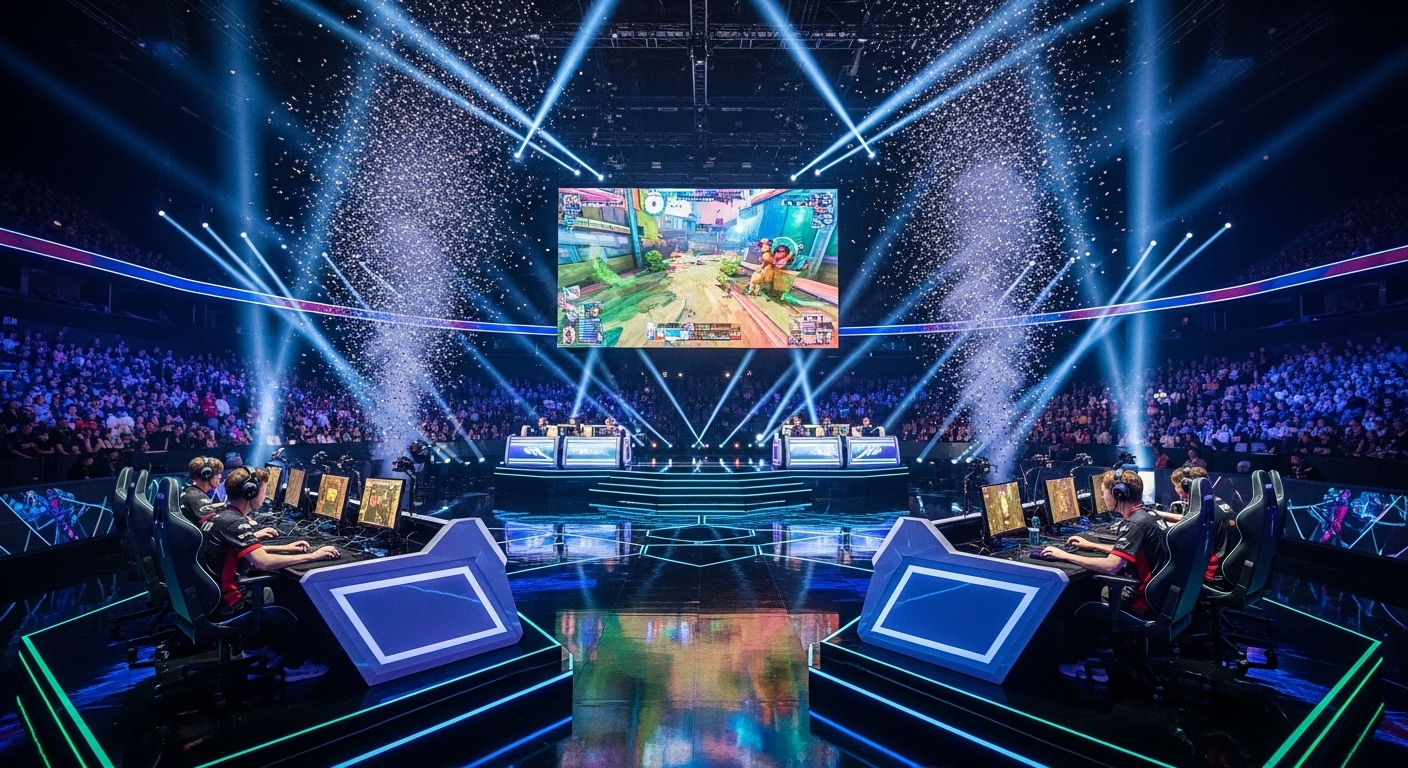
Esports tournaments have grown into large-scale events with production quality rivaling traditional sports. The League of Legends World Championship, Dota 2’s The International, and the Fortnite World Cup attract millions of viewers worldwide. These events feature professional commentary, detailed analytics, and cinematic production values, making them spectacles that captivate audiences. Prize pools often reach millions of dollars, motivating players to perform at their highest level. These tournaments demonstrate that esports is not merely a hobby but a serious competitive endeavor with global impact.
Economic Impact of Esports
Esports has created a multi-billion-dollar industry. Sponsorships, advertising, merchandise sales, and media rights contribute significantly to its revenue. Major brands partner with teams and events to reach engaged audiences, while universities offer scholarships to esports athletes. Careers in esports extend beyond players to include coaches, event managers, analysts, content creators, and marketers. The industry’s economic influence continues to expand, proving that esports is a legitimate commercial and cultural force.
Building Communities Through Esports
One of esports’ greatest strengths is its ability to create communities. Online forums, social media groups, and fan platforms allow people to connect, discuss strategies, and celebrate achievements. Esports fosters inclusivity, bringing together players and fans from diverse backgrounds. Communities often extend beyond gaming, creating opportunities for networking, collaboration, and shared cultural experiences. These social connections strengthen the esports ecosystem and contribute to its long-term sustainability.
Health and Wellbeing of Players
While esports offers excitement and opportunity, it also presents health challenges. Players often spend long hours in front of screens, which can lead to eye strain, repetitive stress injuries, and physical fatigue. Mental health is equally important, as players face pressure, high expectations, and public scrutiny. Leading organizations now emphasize physical fitness, nutrition, and psychological support to ensure players perform at their best. Maintaining health and balance is essential for longevity in esports careers, demonstrating that success requires both skill and self-care.
Esports in Education
Esports has increasingly found its place in education. Colleges and universities worldwide offer programs in esports management, game design, and digital media. Students develop skills in leadership, teamwork, strategic thinking, and technology literacy through participation in competitive gaming. Esports encourages problem-solving, adaptability, and discipline, which are transferable to various professional fields. Integrating esports into education provides opportunities for skill development while preparing students for careers in a rapidly growing industry.
Technological Innovations Driving Esports
Technology is at the core of esports. High-performance gaming PCs, fast internet connectivity, advanced peripherals, and analytics tools enhance both player performance and viewer experience. Artificial intelligence and data analytics allow teams to study opponents, refine strategies, and improve decision-making. Emerging technologies such as virtual reality and augmented reality promise new forms of immersive competition. By continuously integrating technological innovations, esports remains dynamic, engaging, and capable of evolving alongside the digital landscape.
Challenges Facing the Esports Industry
Despite its growth, esports faces challenges that require attention. Regulatory frameworks for professional gaming are still developing, raising concerns about player contracts, fair competition, and gambling. Online toxicity, cheating, and harassment are ongoing issues within gaming communities. Career longevity, financial stability, and mental health support for players remain areas for improvement. Addressing these challenges is critical to ensure esports grows sustainably and maintains credibility in the eyes of fans, sponsors, and regulators.
The Future of Esports
The future of esports is bright and filled with possibilities. Technological advancements will create more immersive, interactive, and engaging experiences for players and audiences. Virtual reality competitions, AI-driven coaching, and advanced broadcasting techniques will enhance esports events. Esports is poised to gain further mainstream recognition, with more countries recognizing players as professional athletes and more universities offering programs and scholarships. The global community, combined with continuous innovation, ensures that esports will continue to thrive and redefine competitive entertainment.
Conclusion: Esports as a Cultural Force
Esports has transcended the boundaries of casual gaming to become a global cultural and economic force. It combines competition, technology, and entertainment in a unique way, creating opportunities for players, fans, and businesses. With professional leagues, international tournaments, and a growing ecosystem, esports is now a mainstream phenomenon. Challenges exist, but the industry’s potential is undeniable. Esports represents the future of digital entertainment, shaping how people play, watch, and connect in a world driven by technology and shared passion.