Introduction
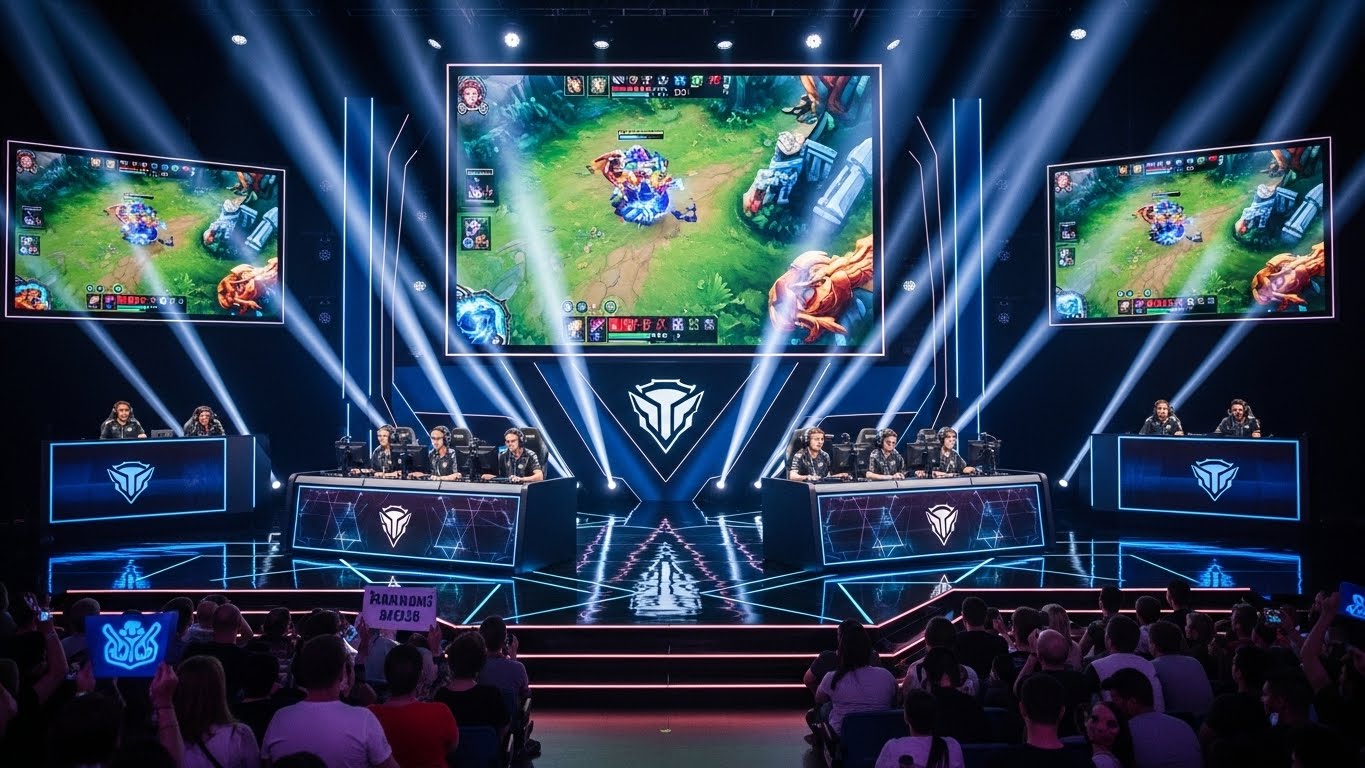
The world of competitive gaming, commonly known as esports, has transitioned from a niche hobby into a mainstream entertainment powerhouse. Once relegated to basements and small local tournaments, esports now commands millions of viewers, attracts sponsorships from global brands, and fills arenas across continents. Unlike traditional sports, esports thrives in the digital space, connecting people from different cultures, countries, and backgrounds through a shared passion for gaming. This blog explores the evolution, impact, and future of esports, examining how it has captured the imagination of players and fans worldwide.
The Origins of Competitive Gaming
Esports did not emerge overnight. Its roots can be traced back to the early days of arcade gaming in the late 1970s and 1980s. Players competed in titles like Pac-Man and Space Invaders, often in small local competitions or gaming arcades. While these early tournaments were modest, they laid the groundwork for organized competitive gaming.
With the arrival of home consoles and personal computers, competitive gaming expanded. Titles like Street Fighter, Mortal Kombat, and StarCraft cultivated dedicated communities that thrived on strategy, skill, and friendly rivalry. Small-scale competitions slowly evolved into more structured tournaments, setting the stage for a global competitive scene.
The Evolution into Modern Esports
The modern era of esports began with the growth of online gaming in the late 1990s and early 2000s. Games such as Counter-Strike, Warcraft III, and Dota introduced multiplayer online experiences that allowed players to compete across cities, countries, and even continents.
As internet connectivity improved and gaming platforms became more accessible, esports shifted from local competitions to global events. Professional teams formed, and sponsorships started pouring in. Viewers could watch matches online for the first time, laying the foundation for the massive esports audience we see today. Streaming platforms became crucial, enabling fans to watch live competitions anywhere in the world.
Why Esports Appeals to Millions
Esports captivates millions of fans for several reasons beyond just the thrill of gaming. It combines skill, strategy, entertainment, and social connection into a unique experience.
Exceptional Skill and Strategy
Professional esports players dedicate countless hours to mastering game mechanics, refining strategies, and communicating effectively with teammates. The level of precision, reflexes, and decision-making rivals that of athletes in traditional sports. For fans, witnessing such high-level skill is both inspiring and entertaining.
The Drama of Competition
Esports is filled with excitement and unpredictability. Rivalries, underdog victories, and nail-biting championship matches create engaging storylines that keep fans invested. Much like traditional sports, fans passionately support their favorite teams and players, developing loyalty and emotional attachment.
Global Accessibility
Unlike traditional sports that often require physical training, equipment, or facilities, esports is accessible to anyone with a computer or console. This inclusivity allows players of different ages, genders, and physical abilities to compete, fostering diverse communities worldwide.
Social Connection and Community
Esports thrives on community engagement. Fans interact through live streams, forums, tournaments, and social media, creating a sense of belonging. The digital nature of esports enables players and fans to connect across geographical boundaries, forming friendships and shared experiences.
The Business of Esports
Esports has grown into a multi-billion-dollar industry, encompassing professional teams, tournament organizers, sponsors, game developers, and streaming platforms. Revenue comes from various sources, including sponsorships, advertisements, merchandise, ticket sales, and broadcasting rights.
Professional players earn salaries alongside tournament winnings, and top esports stars often build influential personal brands. Careers in esports extend beyond playing; opportunities include coaching, content creation, broadcasting, event management, and marketing. The commercial viability of esports has attracted global brands, reinforcing its status as a legitimate and profitable industry.
The Role of Technology in Esports Growth
Technology is at the heart of esports. High-speed internet, advanced gaming hardware, and innovative software have made competitive gaming more accessible and immersive than ever before. Games are designed with spectators in mind, offering features that enhance the viewing experience.
Emerging technologies such as virtual reality, cloud gaming, and artificial intelligence promise to transform esports further. VR could create entirely new competitive formats, AI can help players optimize their strategies, and cloud gaming allows anyone to participate without expensive hardware. These technological advancements ensure esports will continue to grow and evolve in exciting ways.
Educational and Social Benefits
Esports is increasingly recognized for its positive educational and social impact. Many schools and universities have established esports programs, offering scholarships and structured training. Students involved in esports learn teamwork, strategic thinking, communication, and time management skills.
Socially, esports provides a platform for building friendships and communities. Players connect with peers who share similar interests, fostering collaboration and mutual support. Contrary to stereotypes of gaming as an isolating activity, esports often encourages social engagement and personal development.
Challenges Facing the Industry
Despite its success, esports faces several challenges. Player health and well-being is a major concern. Professional gamers often train for extended periods, leading to physical strain, mental fatigue, and burnout. Promoting healthier training schedules and mental health support is crucial.
The constantly evolving nature of games presents another challenge. Game updates and new releases can alter competitive balance, requiring players and teams to adapt quickly. Maintaining integrity, fair play, and inclusivity is also essential for long-term sustainability.
The Cultural Impact of Esports
Esports is more than a game; it is a cultural phenomenon. It influences entertainment, fashion, music, and social trends. Professional esports players are cultural icons, inspiring fans to pursue gaming professionally or as a hobby. Esports has created a new form of celebrity that is deeply connected to digital culture and community participation.
Moreover, esports has contributed to changing perceptions about gaming. What was once seen as a casual pastime is now recognized as a legitimate form of competition, entertainment, and career opportunity. The growth of esports reflects the evolving relationship between technology and culture in the modern world.
The Future of Esports
The future of esports looks promising. As audiences continue to expand and technology advances, esports may rival traditional sports in popularity and mainstream acceptance. Hybrid events combining physical and digital experiences will enhance fan engagement. International tournaments may achieve global recognition comparable to major sporting events.
Esports will also continue to influence education and career development, equipping participants with valuable skills relevant to the digital economy. The integration of new technologies, cross-platform competition, and interactive experiences will redefine the possibilities of competitive gaming.
Ultimately, esports is set to remain at the forefront of global entertainment, connecting people, inspiring innovation, and transforming the way society perceives competition and teamwork.
Conclusion
Esports has grown from a small hobby into a global phenomenon that attracts millions of players, fans, and investors. It blends the excitement of sports with the innovation of technology, offering a unique and immersive form of entertainment. Beyond the competition, esports fosters community, education, and career opportunities, reshaping cultural perceptions of gaming. Its rise marks a significant milestone in the evolution of digital entertainment, and its future promises even greater innovation, global connection, and influence. Esports is no longer just a game; it is a movement that continues to redefine the boundaries of competition, community, and creativity.