Introduction: The Rise of a Digital Colosseum
Once dismissed as a niche hobby confined to bedrooms and internet cafés, esports has evolved into a global cultural and economic force. Competitive gaming now fills stadiums, attracts millions of online viewers, and generates careers that rival those in traditional sports. Esports is no longer just about playing games; it is about strategy, discipline, teamwork, storytelling, and identity. This blog explores how esports rose to prominence, what makes it unique, and why it represents the future of competitive entertainment.
Understanding Esports Beyond Gaming
Esports, short for electronic sports, refers to organized, competitive video gaming where individuals or teams compete at a professional level. Unlike casual gaming, esports is structured with leagues, tournaments, rankings, coaches, analysts, and strict training routines. Popular esports titles span multiple genres, including first-person shooters, multiplayer online battle arenas, real-time strategy games, and sports simulations.
What separates esports from traditional gaming is intent and scale. Players train for hours daily, analyze opponents, refine mechanics, and work within team strategies. Matches are broadcast with professional commentary, in-depth analysis, and massive fan engagement, mirroring the structure of conventional sports.
A Brief History of Competitive Gaming
The roots of esports can be traced back to early arcade competitions and local multiplayer contests. As internet connectivity improved, competitive gaming moved online, allowing players from different regions to compete. This shift laid the foundation for international tournaments and professional teams.
Over time, game developers began supporting competitive play directly by designing balanced mechanics, spectator modes, and ranked systems. Tournament organizers, sponsors, and streaming platforms further accelerated growth, transforming esports from grassroots events into a polished global industry.
The Esports Ecosystem and Its Key Players
The esports ecosystem is vast and interconnected. At its core are the players, whose skill and dedication drive the competition. Surrounding them are teams and organizations that provide salaries, training facilities, branding, and management.
Game publishers play a critical role by maintaining the competitive integrity of their titles, organizing official leagues, and supporting the community. Tournament organizers handle logistics, production, and global events. Broadcasters and commentators bring matches to life, translating complex gameplay into engaging narratives for fans.
Sponsors and advertisers fuel the financial engine of esports, investing in teams, events, and individual players. Finally, fans complete the ecosystem, offering viewership, loyalty, and community engagement that sustains long-term growth.
Training, Discipline, and the Professional Esports Athlete
Contrary to stereotypes, professional esports players are highly disciplined athletes of the mind. Training schedules often include mechanical practice, strategy sessions, team scrims, replay analysis, and physical conditioning. Mental resilience is essential, as players must perform under intense pressure in front of large audiences.
Reaction time, hand-eye coordination, decision-making, and communication are core skills. Many teams also employ psychologists, nutritionists, and fitness coaches to ensure players maintain peak performance and avoid burnout.
Esports as a Global Spectacle
One of the most remarkable aspects of esports is its global reach. Major tournaments attract viewers from every continent, transcending language and cultural barriers. Fans connect through shared passion, cheering for teams and players regardless of nationality.
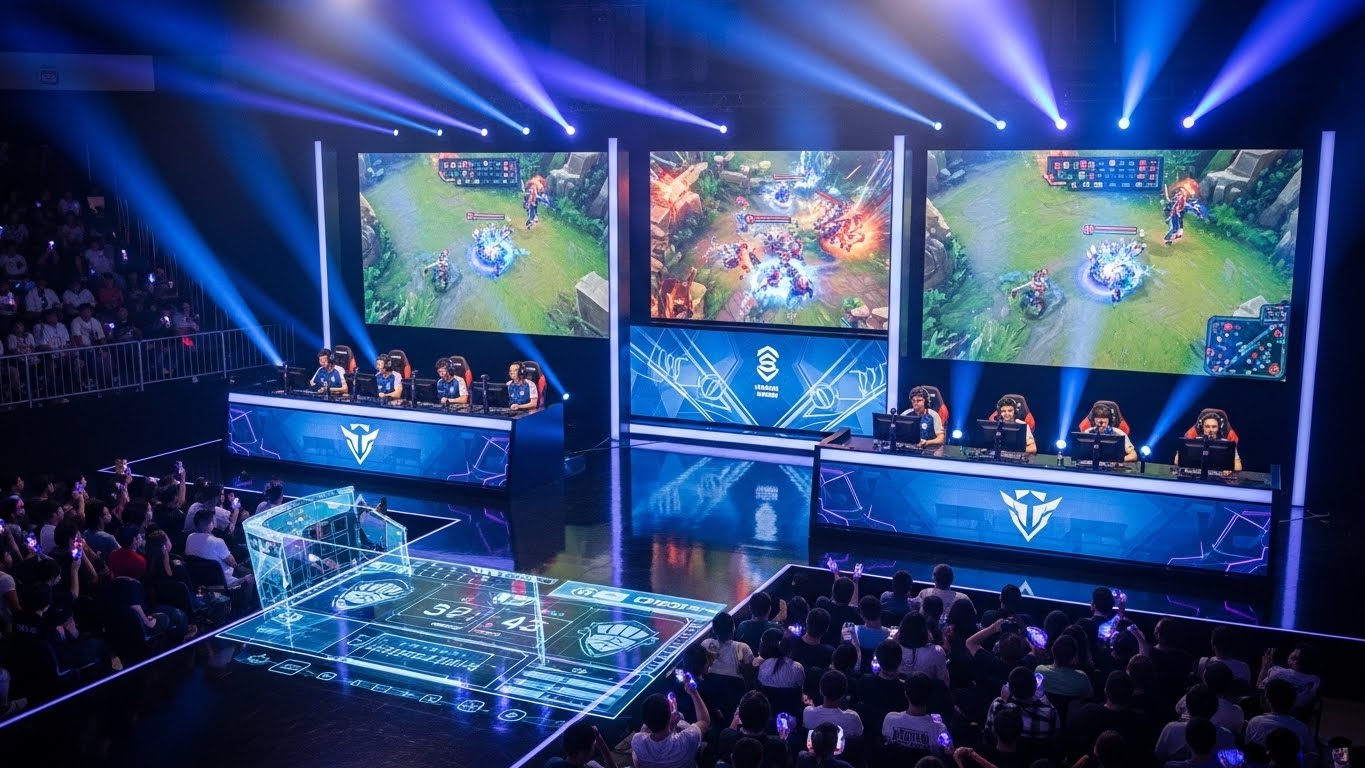
Live events are theatrical experiences, complete with dramatic lighting, music, stage designs, and opening ceremonies. Online broadcasts allow millions to watch simultaneously, interacting through live chats and social platforms. This blend of physical and digital engagement makes esports uniquely accessible and inclusive.
Economic Impact and Career Opportunities
Esports has created an entirely new job market. Beyond professional players, careers exist in coaching, analysis, event management, broadcasting, content creation, marketing, software development, and journalism. Universities now offer esports programs and scholarships, recognizing its legitimacy as a career path.
Prize pools and player salaries have grown significantly, but financial success is not limited to champions. Streamers, influencers, and content creators build personal brands that generate income through fan support and partnerships. Esports has proven that passion-driven careers can thrive in the digital age.
Community, Identity, and Cultural Influence
Esports communities are deeply rooted in identity and belonging. Fans align themselves with teams, games, and players, forming friendships and rivalries that extend beyond the screen. Online forums, fan art, discussions, and watch parties contribute to a vibrant culture.
Esports has also influenced mainstream entertainment, fashion, music, and language. Gaming terminology enters everyday conversation, while collaborations between esports organizations and global brands reflect its cultural relevance. For many young people, esports is not just entertainment but a core part of self-expression.
Challenges Facing the Esports Industry
Despite its success, esports faces significant challenges. Player burnout, short career spans, and mental health concerns require ongoing attention. The rapid pace of game updates can disrupt competitive balance, while inconsistent regulations across regions complicate governance.
Financial sustainability is another concern, as organizations must balance growth with profitability. Maintaining fair play, preventing cheating, and ensuring inclusive environments are essential for long-term credibility. Addressing these challenges will determine how esports matures as an industry.
The Role of Technology in Shaping Esports
Technology is the backbone of esports innovation. High-performance hardware, low-latency internet, and advanced broadcasting tools enable seamless global competition. Data analytics and artificial intelligence are increasingly used to study gameplay patterns, improve strategies, and enhance viewer experiences.
Virtual reality and augmented reality hold the potential to redefine how audiences watch esports, creating immersive environments that blur the line between spectator and participant. As technology evolves, esports will continue to push the boundaries of digital interaction.
Esports and the Future of Competition
Esports represents a shift in how competition is defined. Physical strength is no longer the sole measure of athleticism; cognitive skill, adaptability, and teamwork are equally celebrated. This redefinition opens the door for broader participation, regardless of physical limitations.
As new generations grow up with digital fluency, esports will feel increasingly natural and legitimate. Its integration into education, entertainment, and global culture suggests that esports is not a passing trend but a permanent pillar of modern competition.
Conclusion: A New Arena for Human Potential
Esports has transformed pixels into powerhouses, proving that virtual arenas can inspire real-world passion, discipline, and community. It challenges traditional notions of sport while offering new opportunities for creativity, connection, and career growth.
As esports continues to evolve, it reflects a broader truth about society’s relationship with technology. Competition, storytelling, and human ambition adapt to new mediums, but their essence remains the same. Esports is not just about games; it is about people, purpose, and the endless possibilities of the digital age.