Introduction: A New Era of Competition
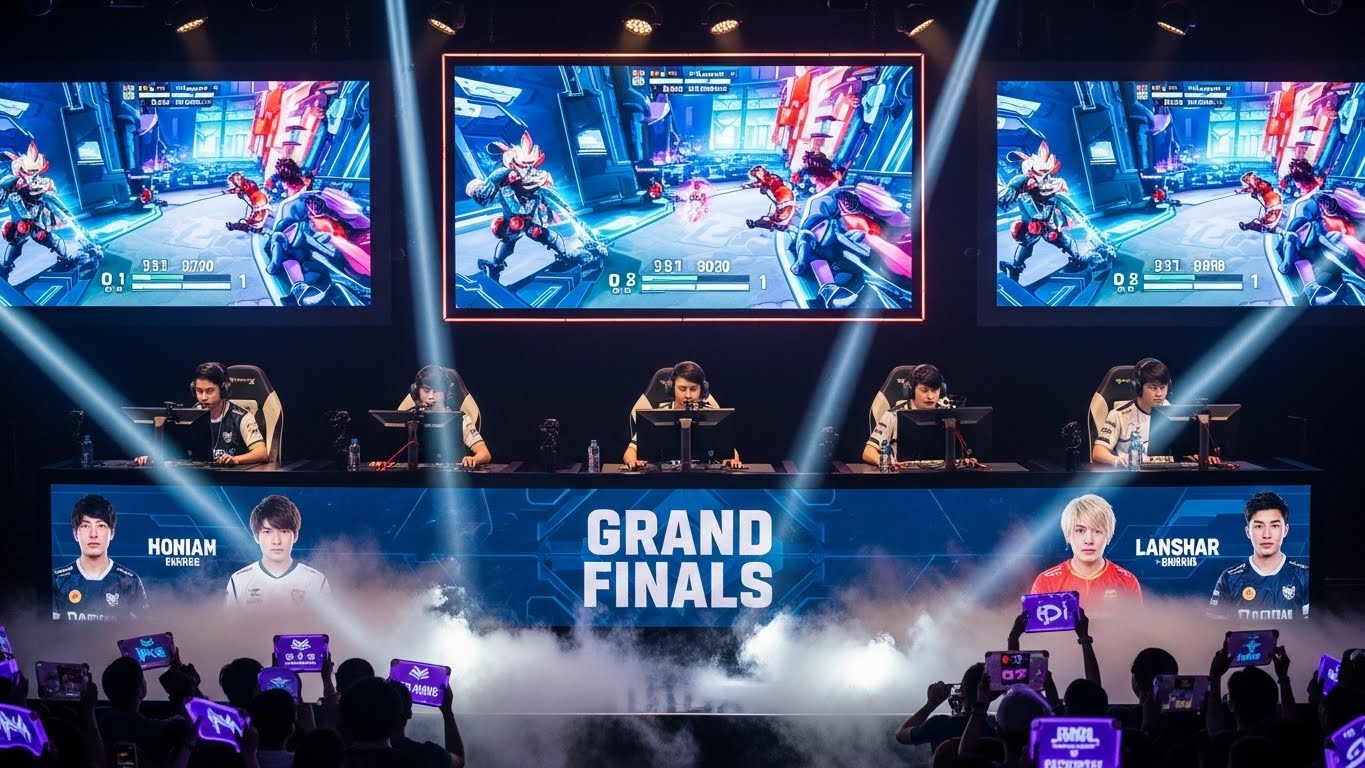
Esports, once considered a casual pastime enjoyed by a small group of gaming enthusiasts, has rapidly evolved into a global competitive industry. Today, esports fills massive arenas, commands millions of online viewers, and offers professional careers that rival traditional sports in popularity and influence. Competitive gaming is no longer confined to bedrooms and internet cafés; it has emerged as a cultural and economic force that defines modern digital entertainment. The rise of esports represents a shift in how competition, skill, and sportsmanship are perceived in the digital age. This blog explores the origins, growth, structure, impact, challenges, and future of esports as a defining phenomenon of the twenty-first century.
The Origins of Esports: Humble Beginnings
The foundation of esports can be traced back to early video game competitions where players challenged one another for high scores and recognition. In the early days, gaming tournaments were small and community-driven, often held in arcades or university campuses. As multiplayer gaming became more accessible, competition intensified, and organized events began to form. These early contests lacked large audiences or financial backing, but they fostered a spirit of rivalry and skill mastery. What began as friendly competition gradually transformed into structured tournaments as technology and internet connectivity improved, setting the stage for modern esports.
The Digital Revolution and Online Competition
The expansion of high-speed internet played a critical role in the rise of esports. Online multiplayer games allowed players from different regions to compete in real time, removing geographical limitations. This connectivity gave birth to global competitive scenes where rankings, leagues, and tournaments became possible on an unprecedented scale. Gamers could now practice, compete, and collaborate without physical proximity. This shift not only increased competition but also helped establish standardized rules, formats, and professional structures that mirrored traditional sports organizations.
Professional Players and the Discipline of Esports
Professional esports players are highly disciplined competitors who dedicate significant time to training and improvement. Their routines often include strategy analysis, mechanical skill practice, teamwork exercises, and mental conditioning. Unlike casual gaming, esports at the professional level demands precision, consistency, and adaptability. Players must stay updated with game changes, develop synergy with teammates, and perform under intense pressure. The misconception that esports lacks physical or mental rigor fails to recognize the reflex speed, cognitive processing, and strategic depth required to compete at elite levels.
The Structure of Esports Teams and Organizations
Esports teams operate similarly to traditional sports franchises. They consist of players, coaches, analysts, managers, and support staff who work together to achieve success. Coaches develop strategies and oversee training, while analysts study opponents and gameplay data. Team managers handle logistics, contracts, and branding. This professional structure ensures stability and long-term development for players. Esports organizations also invest heavily in player well-being, training facilities, and competitive infrastructure, further solidifying esports as a legitimate professional industry.
Esports and the Global Audience
One of the most remarkable aspects of esports is its massive and diverse audience. Fans from all over the world tune in to watch live tournaments, follow their favorite teams, and engage with gaming communities. Esports appeals strongly to younger generations who grew up with digital entertainment, but its audience continues to expand across age groups. The interactive nature of esports viewing allows fans to feel connected to players and events, creating a sense of community and shared excitement that transcends borders and cultures.
Cultural Influence and Identity
Esports has developed its own culture, language, and identity. From team rivalries to iconic moments, esports history is rich with narratives that resonate with fans. Gaming culture influences fashion, music, and online expression, shaping how younger generations define themselves. Esports also provides a space where individuals can connect based on shared interests rather than physical attributes or backgrounds. This inclusivity has helped esports become a platform for self-expression, creativity, and global cultural exchange.
Economic Growth and Industry Expansion
The esports industry has experienced rapid economic growth, attracting investment from sponsors, advertisers, and media companies. Revenue is generated through tournament prizes, sponsorships, merchandise, broadcasting, and live events. This growth has created employment opportunities in areas such as event production, content creation, marketing, and technology. Cities that host major esports events benefit from tourism and local economic stimulation. The expanding financial ecosystem surrounding esports demonstrates its sustainability and long-term potential.
Education and Skill Development Through Esports
Esports contributes significantly to skill development and education. Competitive gaming enhances critical thinking, teamwork, communication, and problem-solving abilities. Many educational institutions now recognize esports as a valuable learning platform, offering programs, scholarships, and competitive teams. Students involved in esports gain experience in leadership, technology, and collaboration, preparing them for careers both within and beyond the gaming industry. Esports bridges entertainment and education, demonstrating how digital competition can support personal and professional growth.
Health, Balance, and Player Well-being
As esports grows, the importance of health and balance has become increasingly recognized. Long hours of practice can lead to physical strain and mental fatigue if not managed properly. Professional organizations now emphasize wellness through structured schedules, physical exercise, proper nutrition, and mental health support. Encouraging healthy habits ensures longevity in esports careers and challenges outdated stereotypes about gamers. A balanced approach to competition is essential for sustaining performance and overall well-being.
Challenges Facing the Esports Industry
Despite its success, esports faces several challenges. Issues such as player burnout, unequal opportunities, online toxicity, and ethical concerns require ongoing attention. Maintaining fair competition and protecting players from exploitation are critical for industry credibility. Additionally, rapid growth can create instability if regulations and standards fail to keep pace. Addressing these challenges requires collaboration among developers, organizations, players, and communities to ensure a fair, inclusive, and respectful environment.
The Future of Esports Innovation
The future of esports holds exciting possibilities. Advancements in technology are expected to enhance competitive experiences, viewing formats, and player training. New game genres and formats will continue to emerge, expanding the esports landscape. Increased global recognition may lead to broader acceptance of esports alongside traditional sports. As innovation continues, esports is likely to become even more immersive, inclusive, and influential in shaping digital entertainment.
Esports and the Redefinition of Sportsmanship
Esports challenges traditional definitions of sportsmanship by emphasizing mental agility, teamwork, and strategy over physical dominance. It proves that competition is not limited to physical arenas but can thrive in digital environments. Respect, discipline, and dedication remain central values, reinforcing the idea that sportsmanship transcends format. Esports has redefined what it means to compete, demonstrating that excellence can be achieved through both mind and machine.
Conclusion: The Legacy of Esports in the Modern World
Esports has evolved from simple gaming contests into a global competitive movement that shapes culture, careers, and communities. Its rise reflects broader changes in technology, entertainment, and social interaction. By blending skill, strategy, and digital innovation, esports has carved out a unique identity that continues to grow and inspire. As the industry matures, its influence will extend beyond gaming, leaving a lasting impact on how competition and creativity are understood in the modern world. Esports is not just the future of gaming; it is a defining force of the digital generation.