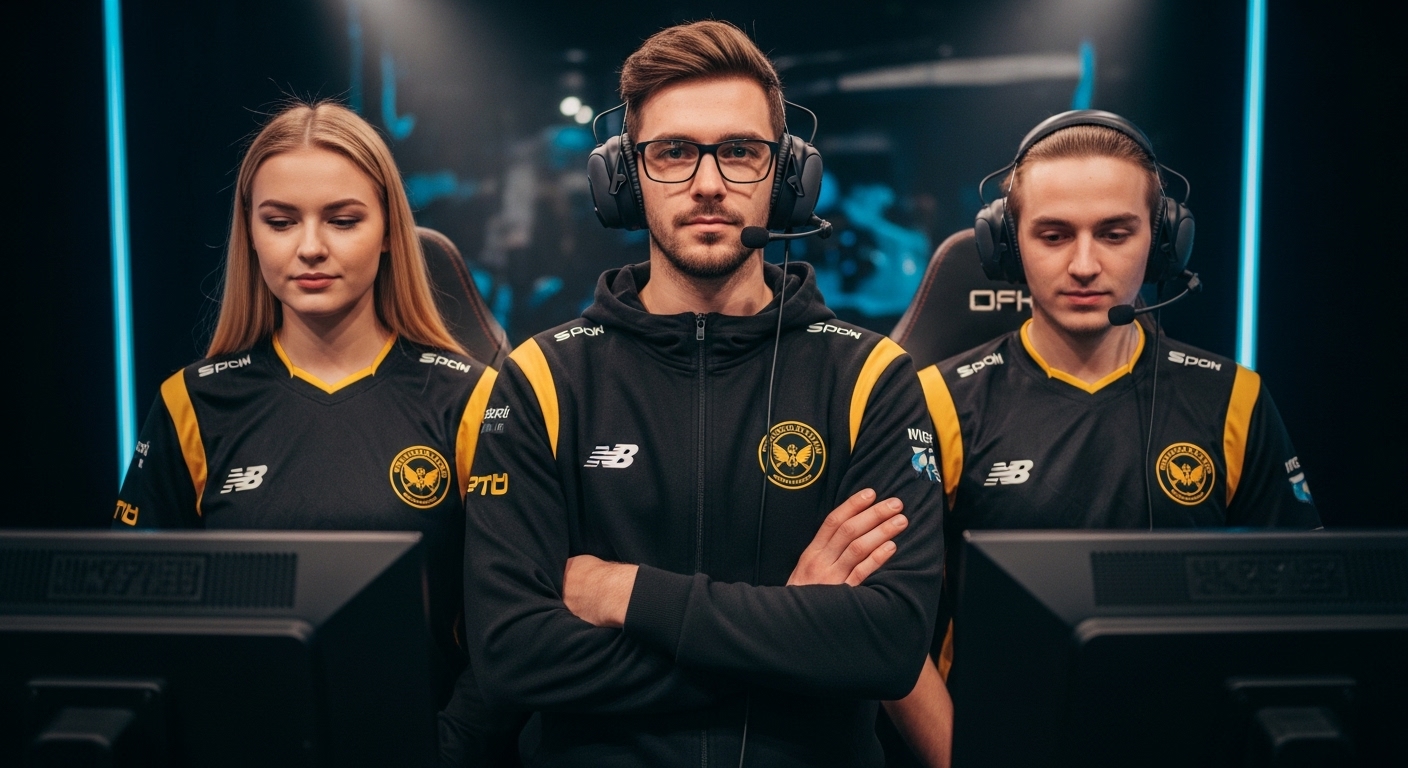
Esports, or competitive video gaming, has come a long way in a relatively short period. What was once a niche activity for a small group of gamers has transformed into a worldwide phenomenon, influencing entertainment, culture, and even education. With major tournaments boasting multi-million-dollar prize pools, professional leagues, and millions of fans around the globe, esports has quickly moved from the fringes of gaming culture to the mainstream. This blog post explores the origins, growth, and future of esports, as well as the various challenges and opportunities facing the industry.
The Birth of Esports: Early Days of Competitive Gaming
Esports can trace its roots back to the early days of gaming itself. In the 1970s and 1980s, video games like Pong and Space Invaders sparked the first competitive gaming events, typically limited to local arcades. These early tournaments were often informal and lacked the large-scale organization we see in modern esports. Yet, they planted the seeds for what would eventually grow into a global industry.
The real evolution of esports began in the 1990s with the rise of personal computers and internet connectivity. Early multiplayer games like Quake and Warcraft set the stage for larger-scale competitive play, as players could now connect with one another over the internet. The establishment of organizations such as the Cyberathlete Professional League in 1997 was a pivotal moment in turning gaming into a competitive sport.
By the early 2000s, StarCraft became a phenomenon in South Korea, where it was televised on national networks. The success of StarCraft not only made professional gaming a viable career but also led to the creation of the Korean e-Sports Association (KeSPA) and the first major esports tournaments in the country. South Korea quickly became the epicenter of competitive gaming, with professional players gaining celebrity status and gaming culture being integrated into mainstream entertainment.
The Rise of Online Streaming and Its Impact on Esports
One of the key factors behind the meteoric rise of esports in the 2010s was the growth of live streaming platforms. Services like Twitch, YouTube Gaming, and Facebook Gaming made it possible for anyone, anywhere, to watch competitive gaming in real-time. Twitch, in particular, revolutionized the esports landscape when it launched in 2011, allowing millions of fans to watch their favorite players and teams compete in high-stakes tournaments. The interaction between streamers and their audiences created a sense of community that traditional sports and entertainment couldn’t easily replicate.
The ability to stream games to a global audience significantly increased the visibility of esports events and provided players with a platform to build massive followings. Esports fans could now tune in to watch everything from grassroots competitions to major league events, such as the League of Legends World Championship and The International for Dota 2. The exposure from these broadcasts helped establish esports as a legitimate form of entertainment, drawing in fans from around the world.
Additionally, the popularity of streaming platforms created new opportunities for content creators, offering gamers a way to monetize their skills and personalities. Professional players, coaches, and even casual gamers have found success on streaming platforms, further fueling the growth of esports. The business model of esports has now expanded beyond tournaments and sponsorships to include merchandise, paid subscriptions, and advertising revenue.
Sponsorships and Investments: Fueling the Esports Boom
As the popularity of esports grew, so did its financial backing. Major global brands such as Coca-Cola, Intel, Red Bull, and Mercedes-Benz began investing in the esports ecosystem. Sponsorships have played a crucial role in elevating the profile of esports, from supporting individual players to backing entire tournaments and leagues. These sponsorships often involve multi-million-dollar deals that fund everything from player salaries to event production costs.
Sponsorships aren’t limited to the gaming or tech sectors either. In fact, many non-endemic brands, such as McDonald’s and Audi, have partnered with esports organizations to tap into the rapidly growing market of young, tech-savvy consumers. This influx of investment has allowed professional esports teams to grow exponentially, signing high-profile players and even recruiting entire staffs, including analysts, coaches, and marketing teams, to build long-term success.
Furthermore, venture capitalists and traditional sports owners have recognized the potential of esports and started to invest heavily in the industry. The acquisition of esports organizations by traditional sports teams and media companies has further blurred the lines between esports and traditional sports. For example, the NBA’s ownership group, in collaboration with Turner Broadcasting, launched The NBA 2K League, a professional esports league based on the NBA 2K video game franchise. Such partnerships demonstrate how esports has become an integral part of the broader sports ecosystem.
Esports as a Career: Professional Players and Teams
Esports has evolved into a fully-fledged industry with professional players and organizations that mirror the structure of traditional sports. Just as football players and basketball stars compete in leagues, esports athletes participate in professional leagues and tournaments for games like League of Legends, Dota 2, Counter-Strike: Global Offensive, and Overwatch. These players are often part of esports teams, which train together, strategize, and compete in regional and global competitions.
Being a professional esports player requires more than just skill. Much like traditional athletes, top-tier players must maintain peak physical and mental performance. Training regimens include long hours of practice, team drills, strategy meetings, and intense competition. Professional players may spend 10-12 hours a day honing their skills, often competing in multiple tournaments each year. This lifestyle can be grueling, and many players face challenges related to burnout, mental health, and maintaining a balanced life outside of gaming.
Esports organizations are increasingly recognizing the importance of player wellbeing, offering support services such as sports psychologists, nutritionists, and even physical therapists to help players cope with the pressures of professional gaming. As the industry matures, player welfare is becoming a key issue for many organizations that want to ensure their stars can sustain long careers in the sport.
The Global Appeal of Esports: Cultural Impact
Esports has grown far beyond its origins in competitive gaming to become a global cultural phenomenon. Major tournaments are watched by millions of fans, filling stadiums and arenas with enthusiastic crowds. Events like The International, which takes place annually for Dota 2, and the League of Legends World Championship attract massive global audiences, with viewership often surpassing that of traditional sports broadcasts.
Esports also has a unique ability to bridge cultural gaps, uniting fans from all over the world through their shared love of gaming. Whether it’s fans cheering for their favorite League of Legends team or following a Counter-Strike: Global Offensive tournament, esports creates a sense of community that transcends geographical boundaries. Fans interact through social media, online forums, and live streams, building relationships with others who share their passion.
In addition, esports has influenced the way people consume entertainment. With games being streamed live and tournaments available online for free, fans no longer have to rely on traditional television or cable services to watch their favorite events. Streaming platforms have changed the entire media landscape, offering a more interactive and on-demand experience for viewers. As a result, younger generations are increasingly turning to esports as their primary form of entertainment, further cementing its place in the cultural mainstream.
The Challenges of Esports
While esports has achieved remarkable growth, the industry still faces several challenges. One of the biggest concerns is player health and longevity. As mentioned earlier, professional gaming requires players to spend long hours practicing and competing, which can lead to physical strain and mental burnout. The repetitive nature of gaming can cause conditions such as carpal tunnel syndrome, eye strain, and back problems. Additionally, the mental stress of high-level competition can be overwhelming, leading to anxiety, depression, and other mental health issues.
To address these concerns, esports organizations are increasingly prioritizing player health, offering access to medical professionals, mental health resources, and ensuring that players take breaks to recover physically and mentally. However, the balance between competition and player welfare is still something the industry needs to refine as the demands of professional gaming continue to rise.
Another challenge facing esports is regulation and governance. While esports tournaments are governed by specific rules and organizations, there is no unified global governing body that oversees the industry. This can result in inconsistent policies regarding player contracts, tournament formats, and fair play. As the industry grows, the need for clear regulation becomes more pressing to ensure that esports maintains its credibility and integrity.
Finally, while esports continues to thrive, the market is becoming increasingly saturated. As more games and tournaments enter the scene, it becomes harder for individual players, teams, and organizations to stand out. Finding new and innovative ways to engage with audiences and maintain relevance will be crucial to the long-term success of esports.
The Future of Esports
The future of esports looks incredibly bright. With the continued rise of mobile gaming, new technologies like virtual reality (VR) and augmented reality (AR) could provide entirely new ways for players and fans to experience competitive gaming. Esports is already exploring the potential of VR, with games like Echo Arena and The Unspoken offering a glimpse into what competitive gaming could look like in fully immersive environments.
Esports will also continue to integrate into traditional sports, with more and more professional sports leagues and teams investing in the sector. As esports grows in popularity, its inclusion in global events like the Olympics is becoming more likely, with some proponents arguing that competitive gaming could one day become an official Olympic sport. This would help solidify esports’ status as a mainstream cultural phenomenon.
As the industry matures, the focus will likely shift towards creating more sustainable ecosystems for players, organizations, and fans. Whether it’s through improved player welfare, better tournament structures, or more global partnerships, the future of esports is one of growth, innovation, and opportunity.