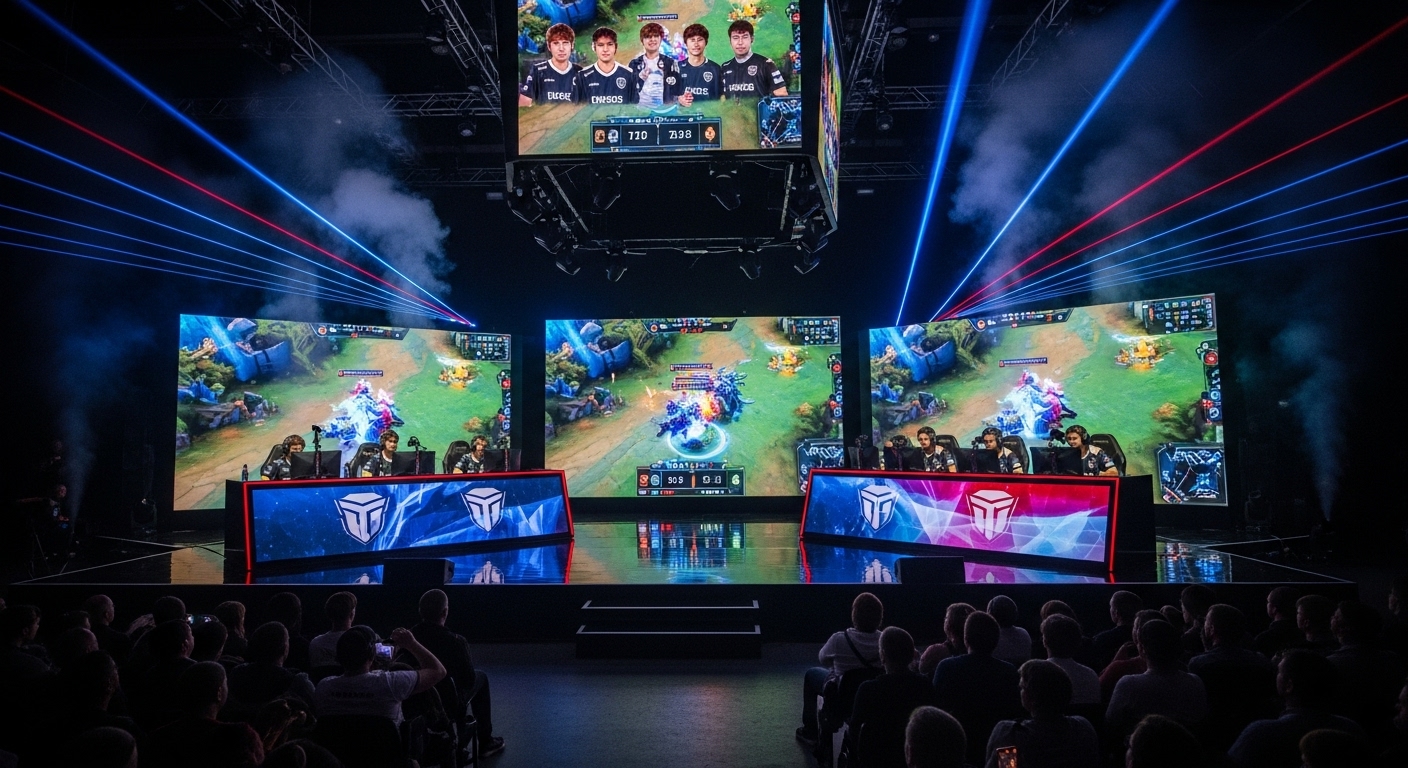
In the past decade, esports has grown from a niche hobby into a global phenomenon. What was once considered a pastime for tech enthusiasts and gaming aficionados is now a multi-billion-dollar industry, drawing in millions of fans, professional players, and huge investments. From the rise of online streaming platforms to sold-out arenas hosting massive tournaments, esports is changing the way we think about competitive entertainment. But what exactly is driving this explosive growth, and what does the future hold for this digital revolution? Let’s explore how esports is reshaping the world of gaming and beyond.
The Rise of Esports: A Cultural Shift in Competitive Gaming
Esports, short for electronic sports, refers to organized, multiplayer video game competitions, particularly between professional players, individually or as teams. Over the years, competitive gaming has evolved from casual tournaments to large-scale international events with millions in prize money. Titles like League of Legends, Dota 2, Counter-Strike: Global Offensive, and Fortnite have become household names in the esports world, drawing in not just players but also sponsors, media, and fans from all over the globe.
The roots of esports can be traced back to the early 2000s when LAN (Local Area Network) parties and online gaming started to gain traction. However, it was the introduction of platforms like Twitch, YouTube Gaming, and professional league organizations that turned gaming into a spectator sport. Today, esports tournaments are broadcast live to millions of viewers, with events such as The International for Dota 2 and League of Legends World Championships filling arenas and raking in millions of viewers worldwide.
The Esports Ecosystem: A Multi-Billion Dollar Industry
What makes esports truly fascinating is its growing ecosystem, where players, teams, sponsors, and media all intersect. Esports has become a lucrative industry, attracting investors from various sectors, including tech, sports, and even entertainment. Top-tier players can make millions in prize money alone, while sponsorships from major brands like Coca-Cola, Intel, and Red Bull are commonplace.
Beyond the prize pools, esports organizations also generate revenue through merchandise, broadcasting rights, and live event ticket sales. Professional esports teams like Cloud9, T1, and G2 have built global fanbases and monetized them through a combination of sponsorships, streaming, and content creation. These teams function much like traditional sports franchises, managing rosters, engaging with fans, and striving to build a long-term brand.
Streaming platforms have also been a key driver in this growth. Twitch, for example, offers a platform for both casual streamers and professional players to showcase their skills and interact with their audiences. This has created a new form of celebrity in the gaming world, where top streamers can earn substantial revenue through donations, advertisements, and sponsorships, often rivaling traditional entertainers in terms of reach and influence.
Esports as a Career Path: More Than Just Playing Games
One of the most exciting developments in esports is the emergence of gaming as a legitimate career path. Professional players, coaches, analysts, commentators, and content creators can all carve out successful careers in the esports ecosystem. While the life of a professional player may be short-lived due to the intense competition and pressure, the rise of other roles within esports ensures there are multiple avenues for people to get involved.
For aspiring players, reaching the highest level requires not just talent but also intense dedication and practice. Professional gamers typically train for several hours each day, perfecting their skills, learning game mechanics, and developing team strategies. But beyond gameplay, esports professionals also manage their personal brand, engage with fans on social media, and work with sponsors, making it a business that requires both gaming talent and marketing savvy.
Moreover, as the industry matures, more educational institutions are offering esports programs, ranging from competitive gaming scholarships to specialized degrees in esports management. Universities like the University of California Irvine and Harrisburg University have established esports teams and academic programs, giving students the opportunity to turn their passion for gaming into a profession.
The Global Appeal: Bridging Cultures Through Gaming
Esports has broken geographical and cultural boundaries, bringing together players and fans from every corner of the world. Whether it’s the League of Legends World Championship held in Europe or the Overwatch League spanning North America, Asia, and Europe, esports tournaments are truly global events. The online nature of gaming means that anyone with an internet connection can participate, watch, and cheer on their favorite teams or players, regardless of where they are located.
This global appeal is evident in the massive viewership that esports events attract. For example, the League of Legends World Championship routinely draws millions of concurrent viewers, rivaling traditional sports broadcasts. Esports is unique in its ability to engage audiences across multiple time zones, languages, and cultures, creating a shared experience for fans around the world.
The rise of international competitions has also contributed to the development of esports as a sport in its own right. Countries like South Korea have long been seen as epicenters of esports culture, with players achieving the same level of fame and recognition as traditional athletes. Today, nations from all around the world are investing in esports infrastructure, establishing arenas and training centers, and hosting their own regional tournaments to nurture local talent.
The Future of Esports: A New Era of Entertainment
As we look toward the future, the possibilities for esports seem limitless. Virtual reality (VR) and augmented reality (AR) are slowly making their way into the esports scene, offering entirely new ways to experience competitive gaming. Imagine stepping into a VR arena, where you’re immersed in the game environment, able to interact with the action as if you were right there in the game world.
Additionally, as esports becomes more mainstream, it is likely to attract even more traditional sports organizations and celebrities. We’re already seeing collaborations between esports organizations and traditional sports teams—like when NBA teams invested in esports franchises—or when athletes from the world of football, basketball, or soccer started to take an interest in gaming. This cross-pollination of the esports and traditional sports worlds is likely to grow, opening up new avenues for investment, collaboration, and cultural exchange.
Moreover, with the rise of mobile gaming, we may see a shift toward mobile esports competitions, bringing gaming to a wider audience who may not have access to high-end gaming PCs or consoles. Games like PUBG Mobile and Call of Duty Mobile are already creating new opportunities for players and fans to engage in competitive gaming from anywhere, on any device.
Conclusion: Esports as a Cultural Mainstay
Esports is no longer just a passing trend or a subculture; it has solidified itself as a mainstream form of entertainment. From its rise as a competitive sport to its global appeal, esports has proven that video games have the power to bring people together in a way that few other mediums can. It’s not just about playing games—it’s about creating communities, building careers, and connecting cultures across the world.
As the industry continues to evolve, it will undoubtedly face challenges, from regulation to player welfare to the potential for market saturation. However, one thing is clear: esports is here to stay, and its impact on both the gaming world and the broader entertainment landscape is only just beginning. Whether you’re a player, a fan, or just someone curious about the phenomenon, one thing is certain—the digital arena is transforming the future of sports and entertainment as we know it.