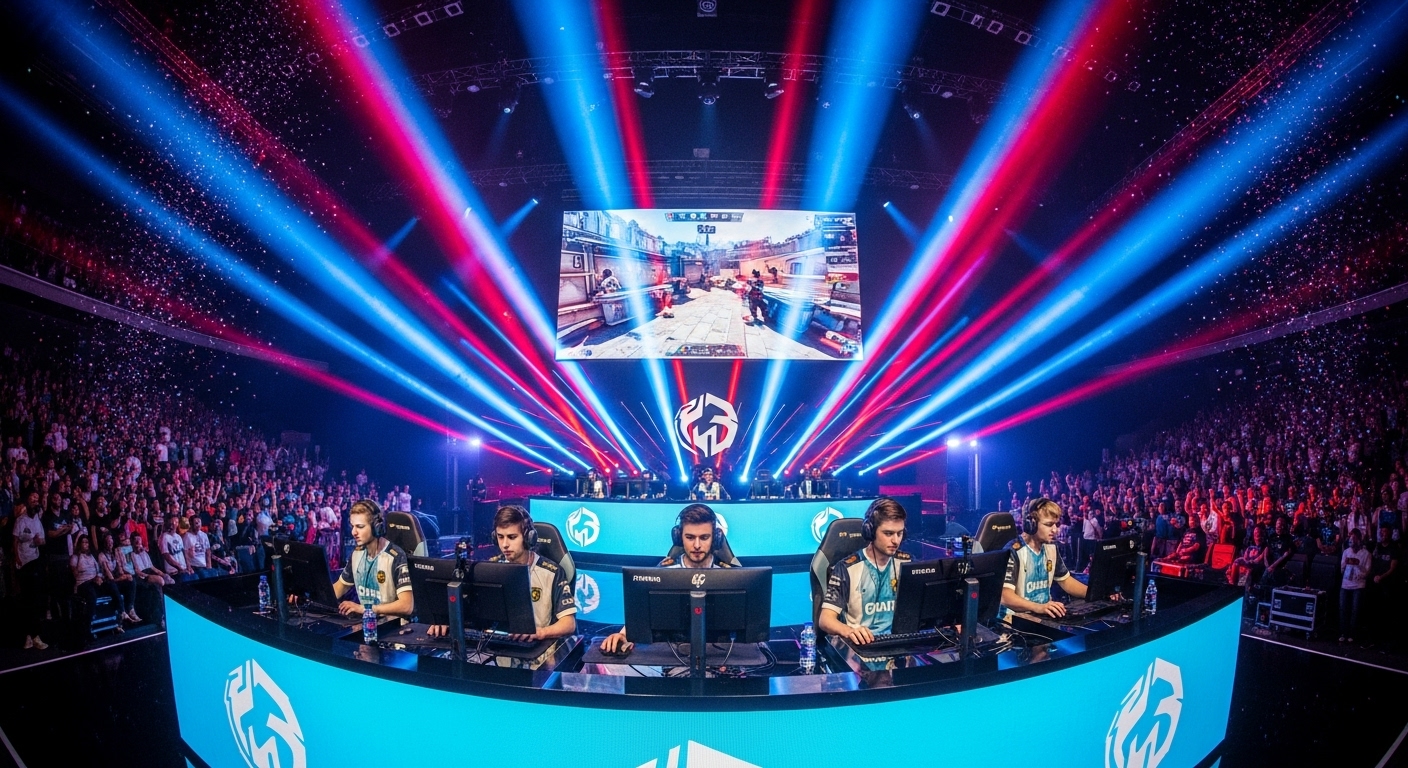
Esports, short for electronic sports, has transformed from a niche hobby into a global phenomenon. Over the past two decades, competitive gaming has evolved into a multibillion-dollar industry, capturing the attention of millions worldwide. Unlike traditional sports, esports thrives in a digital environment, allowing players to compete in video games across genres like first-person shooters, real-time strategy, and multiplayer online battle arenas.
What began as casual competitions among friends in basements or local arcades has now grown into professional leagues with corporate sponsorships, global tournaments, and huge fan followings. This evolution represents a paradigm shift in entertainment, sports culture, and even career opportunities for younger generations.
Early Days of Competitive Gaming
The roots of esports can be traced back to the late 1970s and early 1980s. Arcades became the breeding ground for competitive gaming, with games like Space Invaders and Pac-Man encouraging players to compete for high scores. By the mid-1980s, home consoles expanded gaming access, and tournaments began to emerge.
One of the first major milestones in esports history was the 1980 “Space Invaders Championship” organized in the United States. Thousands of participants competed, highlighting the potential of organized gaming competitions. These early competitions, though small in scale compared to modern standards, set the foundation for what esports would eventually become.
The 1990s introduced networked gaming, and with the rise of PCs, games like Quake and StarCraft fostered competitive communities. Online platforms allowed players from different locations to compete, establishing the first truly global competitive environment. By the late 1990s, esports had already begun drawing media attention, and professional gamers started to emerge as recognizable figures.
The Explosion of Online Gaming
The 2000s marked a turning point in the esports industry, driven by the expansion of broadband internet and online gaming platforms. Multiplayer online battle arena (MOBA) games and first-person shooters became dominant genres in competitive gaming. Titles like Counter-Strike, Warcraft III, and later League of Legends offered new ways for players to compete at professional levels.
Online streaming platforms also played a critical role in esports growth. Websites like Twitch and YouTube allowed gamers to broadcast their matches, reaching millions of viewers worldwide. This exposure transformed gaming from a solitary hobby into a spectator sport with mass appeal. Fans could now follow their favorite players and teams, creating dedicated communities and sparking fandom culture similar to traditional sports.
Esports as a Professional Career
One of the most remarkable aspects of modern esports is its potential as a legitimate career. Professional gamers can earn substantial incomes through tournament winnings, sponsorships, streaming revenue, and team salaries. Top-tier players in games like Dota 2 and CS:GO have secured multi-million-dollar prize pools, showcasing the financial potential of the industry.
Professional esports teams operate like traditional sports franchises, with coaching staff, analysts, marketing teams, and health professionals supporting players. Organizations invest heavily in talent recruitment, training, and team management to maintain competitive edge. Esports has also opened up career opportunities beyond playing, including casting, content creation, event management, and game development.
The lifestyle of a professional gamer is demanding, often requiring long hours of practice, strict routines, and mental resilience. The rise of esports academies and structured training programs has helped players develop both skill and discipline, reflecting the professionalization of the industry.
Major Esports Titles and Their Communities
Esports encompasses a wide range of genres, each with a dedicated fan base and competitive scene.
First-Person Shooters (FPS): Games like Counter-Strike: Global Offensive, Call of Duty, and Overwatch dominate the FPS category. Precision, teamwork, and quick reflexes are critical, making FPS games both thrilling to play and watch.
Multiplayer Online Battle Arena (MOBA): Titles such as League of Legends and Dota 2 are MOBA staples, requiring strategic thinking, coordination, and long-term planning. MOBA competitions often feature complex tournament structures and large prize pools, drawing millions of viewers.
Real-Time Strategy (RTS): RTS games like StarCraft require high-level tactical thinking and micro-management of resources and units. These games helped shape early esports culture, particularly in regions like South Korea, where competitive gaming became mainstream.
Sports and Racing Simulations: FIFA, NBA 2K, and racing simulators offer esports experiences rooted in real-world sports, attracting fans of traditional athletic competitions.
Each game fosters a unique community, complete with fan clubs, forums, and social media groups. The sense of belonging and shared passion for specific games strengthens esports culture and drives engagement.
The Global Impact of Esports
Esports is a truly global phenomenon. While initially popular in regions like South Korea, Europe, and North America, competitive gaming has expanded to countries across Asia, South America, and the Middle East. International tournaments, such as The International for Dota 2 and the League of Legends World Championship, attract millions of viewers worldwide.
The global appeal of esports is driven by several factors:
- Accessibility: Unlike traditional sports, esports requires minimal physical infrastructure. A computer or console and an internet connection are sufficient to compete globally.
- Digital Culture: Younger generations are immersed in digital environments, making esports a natural form of entertainment and engagement.
- Sponsorship and Investment: Companies recognize the marketing potential of esports, investing in teams, tournaments, and streaming platforms.
- Education and Development: Universities and schools now offer esports scholarships and programs, legitimizing gaming as an academic and professional pursuit.
Esports also has cultural significance, shaping trends in technology, media, and entertainment. The rise of influencer culture, live streaming, and virtual events can largely be traced back to the esports ecosystem.
Esports Events and Tournaments
The scale and sophistication of esports tournaments are remarkable. Modern competitions feature live broadcasts, professional commentary, and audience interaction. Events like The International and League of Legends Worlds rival traditional sporting events in production value and excitement.
Tournaments often offer substantial prize pools, attracting top-tier talent. For example, The International 2023 in Dota 2 offered over $40 million in total prize money, with the winning team taking home a multi-million-dollar share. Such figures demonstrate the economic power and global interest in esports.
Event formats vary, including single elimination, double elimination, round-robin stages, and league systems. Live events bring together fans and players, creating a festival-like atmosphere that combines entertainment, competition, and community.
Technology and Innovation in Esports
Technological advancement is central to esports growth. High-speed internet, powerful gaming hardware, and sophisticated software have elevated competitive gaming to new levels.
Streaming platforms have revolutionized fan engagement. Viewers can interact in real-time, comment on gameplay, and participate in community events. Virtual reality (VR) and augmented reality (AR) are also being explored for esports, potentially introducing immersive experiences for both players and audiences.
Analytics and data science have become critical in professional gaming. Teams use performance metrics, in-game statistics, and AI-driven analysis to optimize strategies and player performance. This integration of technology reflects a convergence between gaming, engineering, and sports science.
Challenges Facing Esports
Despite its growth, esports faces several challenges.
Player Burnout: Long hours of practice, mental pressure, and the high stakes of competition can lead to burnout. Organizations are increasingly focusing on mental health support and balanced training schedules.
Cheating and Fair Play: Maintaining integrity in competitive gaming is critical. Anti-cheat software, tournament regulations, and player monitoring are essential to ensure fair competition.
Monetization and Sustainability: While top players earn significant income, smaller players and amateur teams struggle to monetize their skills. The industry continues to explore sustainable financial models.
Regulatory Issues: As esports expands, questions arise about player contracts, labor rights, and international regulations. Governments and organizations are beginning to develop frameworks to support and regulate esports professionally.
The Future of Esports
The future of esports is bright, with continued growth expected in audience, revenue, and cultural influence. Emerging technologies such as VR, cloud gaming, and AI-driven coaching may redefine competitive experiences.
Education and mainstream recognition are also expanding. High schools and universities increasingly recognize esports as a legitimate competitive activity, offering scholarships and programs that prepare students for careers in gaming and related industries.
Moreover, esports is becoming intertwined with broader entertainment sectors. Collaborations with music, film, and fashion industries illustrate its cultural reach. Fans now experience esports as a lifestyle, not just a competition, blurring the line between gaming and mainstream media.
The global expansion of esports also promises greater diversity in players and communities. As barriers to entry decrease and internet accessibility improves worldwide, esports will likely attract talent and audiences from regions previously underrepresented.
Conclusion
Esports has come a long way from its humble beginnings in arcades and early PC networks. Today, it stands as a legitimate professional industry with cultural, economic, and technological significance. From professional leagues to global tournaments and digital fan communities, esports continues to redefine entertainment and sports culture for the 21st century.
As technology advances and the global audience grows, the future of esports promises even greater opportunities for players, fans, and investors alike. Competitive gaming is no longer a niche hobby—it is a worldwide phenomenon, shaping the way we experience competition, teamwork, and digital culture.
Whether you are a player, a fan, or simply curious about the world of esports, one thing is clear: this is only the beginning of a long and exciting journey.