Introduction
Over the past two decades, esports has evolved from a niche hobby into a global phenomenon. What started as friendly gaming tournaments between local communities has now grown into a multi-billion-dollar industry, attracting massive audiences, professional athletes, and sponsors alike. Esports competitions, spanning across genres like real-time strategy games, first-person shooters, and battle royales, have become a legitimate avenue for talent, income, and international recognition. This blog post delves into the history, growth, and future of esports, exploring its impact on entertainment, culture, and the world of traditional sports.
The Birth of Esports: From Arcades to Online Tournaments
Esports, short for electronic sports, traces its origins back to the early days of competitive gaming. The first significant tournament was held in 1972 at Stanford University, known as the “Intergalactic Spacewar Olympics,” centered around the game Spacewar! While this event was a small, localized affair, it marked the beginning of competitive gaming as a concept.
In the 1990s, the growth of the internet and the rise of PC gaming gave esports its first major push. Games like Quake, StarCraft, and WarCraft helped popularize multiplayer online gaming, where players could challenge one another across vast distances. This laid the foundation for larger-scale tournaments and professional leagues. The first significant milestone in esports history came in 1997 with the creation of the Red Annihilation tournament for Quake, where the grand prize was a Ferrari.
In the early 2000s, the emergence of professional gaming organizations, such as Major League Gaming (MLG) and the Electronic Sports World Cup (ESWC), helped solidify esports as an international phenomenon. These events were the precursors to the massive competitions that would later fill arenas and attract millions of viewers.
The Explosion of Esports: Streaming, Sponsorships, and Global Reach
By the mid-2010s, esports began to truly explode in popularity, driven by the rise of streaming platforms such as Twitch, YouTube Gaming, and Mixer (now defunct). These platforms allowed gamers to broadcast their skills and personalities, fostering an entire ecosystem around esports content. Gamers were no longer confined to just playing; they could build fanbases, generate revenue from donations and subscriptions, and even secure sponsorships and advertising deals.
The audience for esports grew exponentially during this period, with millions of viewers tuning in for live streams of tournaments such as League of Legends World Championship, The International (Dota 2), and Fortnite’s World Cup. This marked a shift in the way traditional sports were consumed, with esports offering an interactive, global experience for fans.
Esports’ increased visibility also attracted major corporate sponsors, with companies like Coca-Cola, Intel, and Red Bull becoming frequent backers of tournaments and players. These sponsorships helped fuel the professionalization of esports, offering players lucrative contracts and support in terms of training facilities, coaches, and staff.
The Business of Esports: From Hobby to Profession
What once was a hobby for passionate gamers is now a legitimate profession. Professional esports players have become household names, earning six-figure salaries and lucrative endorsement deals. The most prominent titles in the industry, such as League of Legends, Dota 2, Counter-Strike: Global Offensive, and Valorant, offer prize pools in the millions of dollars, turning tournaments into multi-million-dollar events.
Top-tier players are no longer just skilled individuals; they are full-time professionals with dedicated teams, managers, and even psychologists. Esports organizations, much like traditional sports teams, offer contracts, sponsorships, and competitive training programs for their players. Organizations like Cloud9, Team Liquid, and T1 have become icons in the esports world, with their players achieving fame and success similar to that of athletes in traditional sports leagues like the NBA or NFL.
Moreover, many esports players now enjoy social media followings in the millions, which helps boost their brand value and fan engagement. Streaming on platforms like Twitch and YouTube has become a substantial revenue stream for esports professionals, who can earn money from ads, donations, and exclusive deals with these platforms.
Esports Tournaments: The Heartbeat of Competitive Gaming
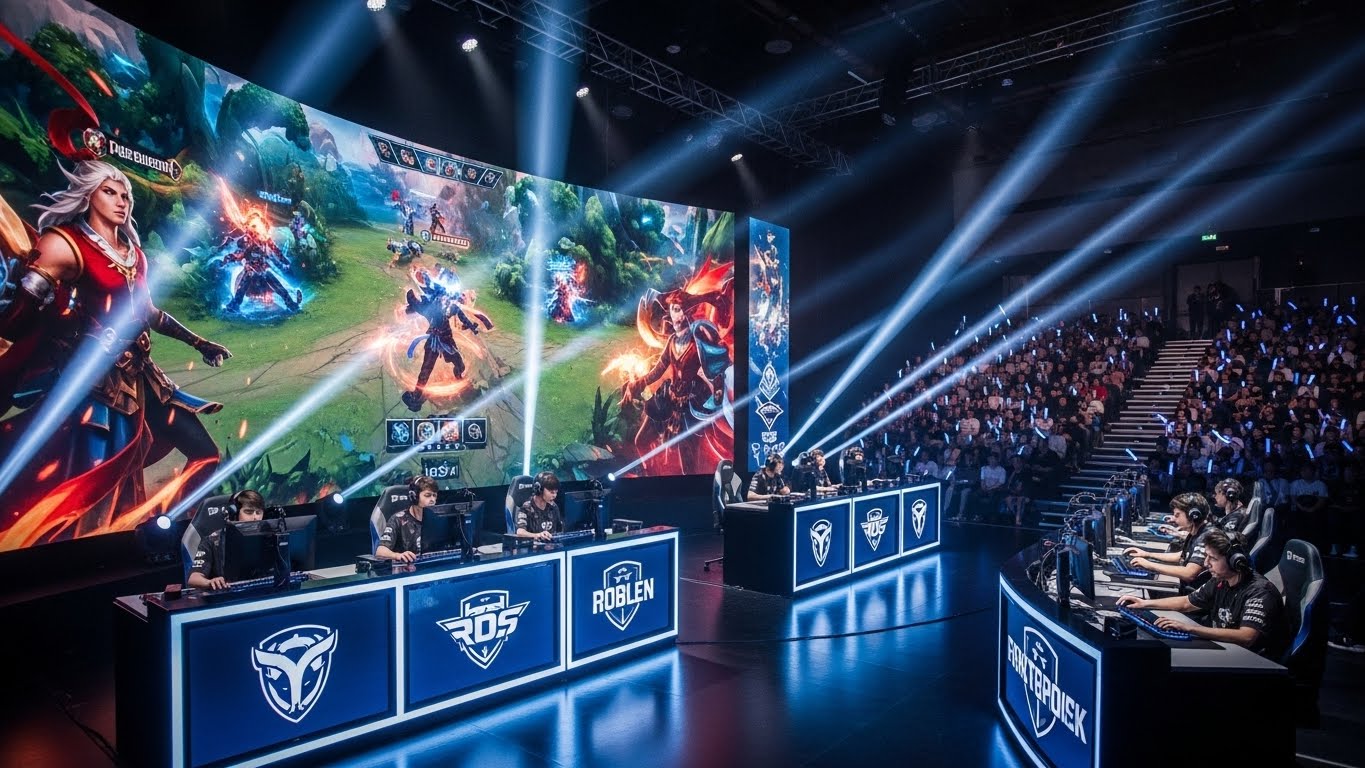
The centerpiece of esports culture is its tournaments. These events bring together the world’s best players and teams to compete for fame, fortune, and glory. Esports tournaments have evolved from small-scale gatherings in convention centers to large, live-streamed spectacles held in sold-out arenas and broadcast globally to millions of viewers.
One of the most well-known and prestigious tournaments is The International, the annual championship for Dota 2. The event has set records for prize pools, with the 2021 tournament boasting a prize pool of over $40 million. The League of Legends World Championship also attracts millions of viewers each year, with teams from all corners of the globe competing for the title of world champion. Other tournaments, such as the Overwatch League and Fortnite World Cup, have also become cultural events in their own right.
These tournaments are often accompanied by elaborate opening ceremonies, expert commentary, and live music performances, making them more akin to traditional sports events than digital competitions. Esports tournaments are an integral part of the industry’s growth, providing players with a platform to showcase their skills and helping audiences connect with their favorite teams and players.
The Global Impact of Esports: Bridging Cultures and Communities
Esports has a unique ability to transcend borders and connect people from diverse cultures and backgrounds. Gamers from different countries can compete against one another in a way that was previously unimaginable. Titles like League of Legends and Counter-Strike have large global player bases, with professional players hailing from every corner of the world.
Esports has also become a unifying force for communities, bringing together individuals who share a common passion for gaming. Online multiplayer games, forums, and social media platforms allow fans to communicate, share content, and even form friendships, regardless of geographical location. In a world where distance often creates division, esports provides a virtual space where people can interact and collaborate.
Additionally, esports has become a platform for showcasing diverse talent. While traditionally male-dominated, the landscape of esports is slowly becoming more inclusive, with initiatives supporting female gamers and organizations that focus on racial and gender diversity in gaming.
The Future of Esports: Beyond Gaming
As esports continues to grow, its influence on mainstream culture is becoming more profound. The boundaries between traditional sports and esports are blurring. Some of the world’s biggest sports leagues, including the NBA and NFL, have begun to invest in esports by establishing their own teams and leagues. In 2019, the NBA even held an esports competition called the NBA 2K League, where players competed in the video game NBA 2K.
Additionally, esports is finding its way into education. Universities around the world are offering esports scholarships and establishing official esports teams, providing students with opportunities to pursue gaming professionally while earning a degree. Colleges such as the University of California, Irvine, and Harrisburg University have created esports programs, and high schools are following suit with their own leagues.
Esports also holds promise for the future of virtual reality (VR) and augmented reality (AR) technologies. As these technologies continue to evolve, they could radically change the way esports competitions are played and consumed. Imagine a Fortnite tournament played in VR, where players battle it out in a fully immersive 3D environment, or fans experiencing a live esports match in their living rooms through AR. The possibilities for innovation are endless.
Conclusion: Esports as the Future of Entertainment
Esports has evolved from a niche activity into a global cultural and economic powerhouse. What began as a form of entertainment for hobbyists is now an established industry with a massive following and the backing of corporations, media companies, and traditional sports organizations. It has opened up new career paths, revolutionized how we consume entertainment, and provided a platform for millions of gamers to connect, compete, and showcase their skills.
As technology continues to advance and esports continues to grow, it’s clear that we are only scratching the surface of what’s possible in this exciting new frontier of competitive gaming. For fans, players, and industry professionals alike, the future of esports is bright—and it’s here to stay.