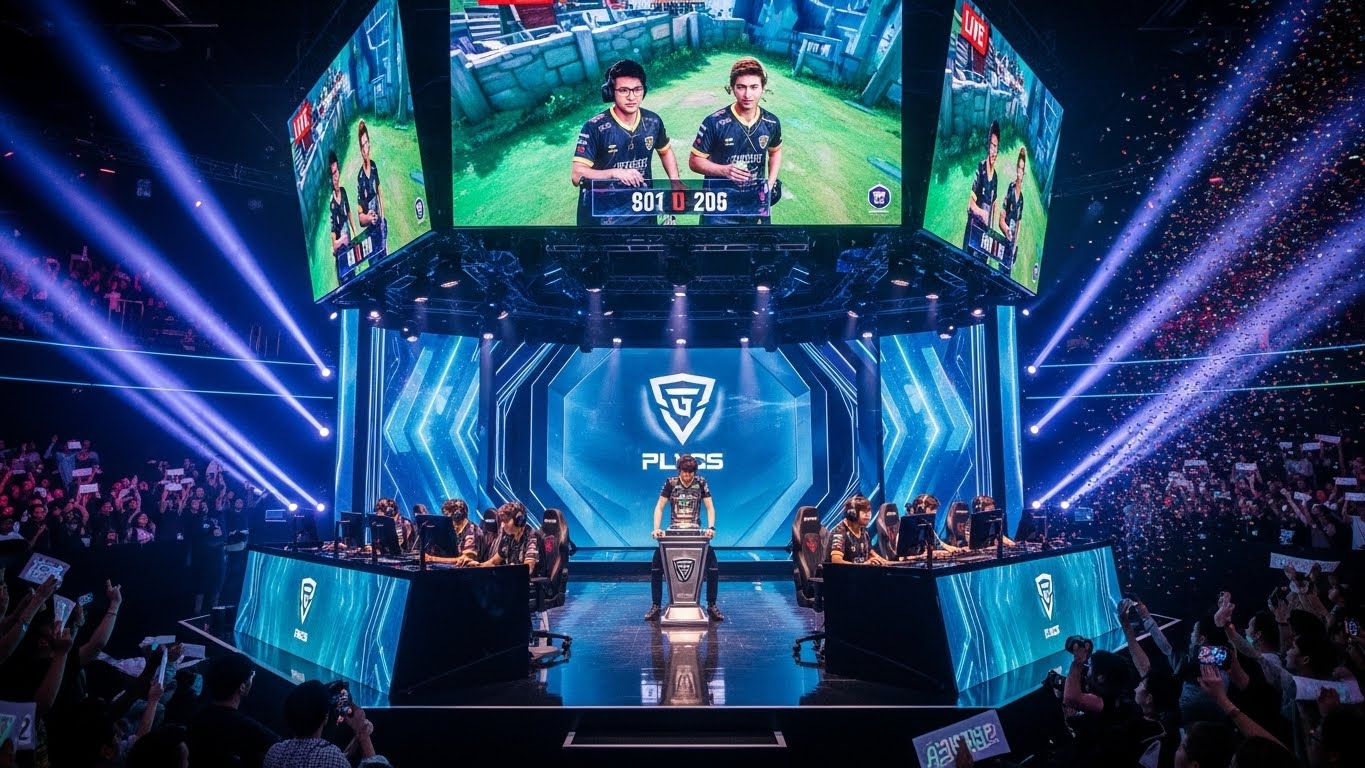
Esports, a term that once seemed niche and confined to a small group of passionate gamers, has blossomed into a global phenomenon. What started as a hobby or an underground activity for a select few has now transformed into a multi-billion-dollar industry. From casual gaming to competitive tournaments watched by millions worldwide, esports has grown exponentially in popularity. This blog post delves into the world of esports, exploring its rise, the key players involved, its impact on the gaming community, and what the future holds for this exciting industry.
What is Esports?
Esports, short for electronic sports, refers to competitive video gaming where players or teams compete against each other in various video game titles. Unlike casual gaming, which is typically played for personal enjoyment or recreation, esports is structured, organized, and often broadcasted for an audience. Esports competitions are held across a range of games, from multiplayer online battle arenas (MOBAs) like League of Legends to first-person shooters (FPS) like Counter-Strike: Global Offensive and Overwatch, as well as real-time strategy (RTS) games like StarCraft.
These competitions often take place in large arenas, but with the advent of streaming platforms like Twitch and YouTube, esports events are increasingly being broadcasted online, allowing millions to watch from the comfort of their own homes. Esports encompasses not only players but also coaches, analysts, commentators, and organizers who work together to bring these events to life.
The Growth of Esports: From Passion to Profession
Esports has grown significantly over the past decade, transitioning from a niche interest to a mainstream global phenomenon. One of the most significant factors driving this growth is the increasing accessibility of gaming. The rise of high-speed internet, more affordable gaming hardware, and the development of competitive online platforms like Steam, Riot Games, and Blizzard Entertainment have all played pivotal roles in making esports more accessible to a wider audience.
Additionally, the evolution of gaming technology has played a central role. Graphics and performance have significantly improved, creating immersive experiences that attract both players and spectators alike. Mobile gaming has also become a major player, with games like PUBG Mobile and Mobile Legends helping to expand esports beyond the traditional PC and console platforms.
As the gaming community has expanded, so has the interest from mainstream media and brands. Major broadcasting companies and digital platforms have begun to recognize the potential of esports as a form of entertainment, leading to significant media coverage and sponsorship deals. Brands ranging from Nike and Adidas to Coca-Cola and Intel have invested heavily in esports, further fueling its growth and solidifying its place in popular culture.
The Key Players in Esports: Gamers, Teams, and Organizations
At the heart of esports are the players. These individuals are highly skilled, competitive, and dedicated, often spending hours each day practicing and strategizing. In many cases, esports athletes treat gaming as a full-time career, with some even competing in multiple tournaments throughout the year. Just like traditional athletes, esports players undergo extensive training regimens, including practice sessions, team-building exercises, and mental preparation. Many top-tier players have coaches and analysts who help them refine their gameplay and strategies.
In addition to individual players, esports is also characterized by professional teams and organizations. Teams like T1, Cloud9, and Team Liquid have established themselves as some of the most successful and popular organizations in the esports world. These teams compete in various games, forming a key part of the esports ecosystem. Organizations often provide players with salaries, support staff, and sponsorships, which allow them to focus on their performance and gameplay.
Esports organizations are also integral to tournament organization and production. Major events like The International (Dota 2), League of Legends World Championship, and Fortnite World Cup are organized by game publishers and esports production companies. These tournaments are often held in large arenas and feature significant prize pools, sometimes reaching millions of dollars. The production value of these events is on par with traditional sports, with live broadcasting, commentary, and audience engagement all playing a major role.
Esports and the Gaming Community: A New Era of Interaction
One of the most exciting aspects of esports is its ability to foster a sense of community. Esports allows players and fans to engage with each other in ways that were previously unimaginable. Online platforms such as Twitch, YouTube Gaming, and Discord have revolutionized the way fans interact with their favorite players and teams. Through live streams, fans can watch their favorite players in real-time, engage with them through chat, and even donate or subscribe to show support.
The sense of community extends beyond online interactions. Many cities around the world have esports arenas where fans can gather to watch live competitions and cheer on their favorite teams. Esports conventions, fan meet-ups, and viewing parties are also becoming increasingly common, creating opportunities for fans to interact with one another in person.
Moreover, esports has given rise to a new form of celebrity. Professional players have amassed large followings on social media, with some achieving celebrity status akin to traditional sports stars. Streamers like Ninja, Shroud, and Pokimane have become household names, attracting millions of followers and earning sponsorship deals with major brands.
Esports has also bridged the gap between different gaming cultures. Whether you’re a fan of League of Legends, Counter-Strike, or Call of Duty, there is a shared love of competition and gaming that transcends individual game preferences. This unifying aspect of esports has helped break down barriers between players from different parts of the world, allowing for cross-cultural interactions and collaborations.
The Economic Impact of Esports
The economic impact of esports cannot be overstated. What started as a small industry has grown into a massive global business, generating billions of dollars each year. According to Newzoo, the global esports industry was expected to generate over $1 billion in revenue in 2021 alone, with significant contributions from media rights, sponsorships, and merchandising.
Sponsorships are one of the largest revenue streams for esports organizations and tournaments. Major brands like Coca-Cola, Red Bull, Intel, and Mercedes-Benz have partnered with esports teams and tournaments to reach a younger, tech-savvy audience. These sponsorships help fund team operations, player salaries, and event production costs, while also providing valuable exposure for brands.
In addition to sponsorships, media rights have become an increasingly important source of revenue for esports. Streaming platforms like Twitch, YouTube Gaming, and Facebook Gaming have entered into lucrative deals with tournament organizers to broadcast events to global audiences. These deals have brought esports into the mainstream and allowed for greater visibility and accessibility.
Merchandising also plays a crucial role in the economics of esports. Fans often buy jerseys, hats, and other team-related merchandise to show their support for their favorite players and organizations. These items are sold both online and at live events, contributing to the revenue streams of esports teams and players.
The Future of Esports: What Lies Ahead?
As the esports industry continues to grow, the future looks incredibly promising. One of the key areas for development is the potential for esports to be included in major global events such as the Olympic Games. Discussions around esports as an Olympic sport have been ongoing for years, with proponents arguing that esports fits the definition of a sport due to its competitive nature and the skill required to succeed. While there are still hurdles to overcome, the inclusion of esports in the Olympics could mark a major milestone in its acceptance as a legitimate form of competition.
Another exciting aspect of the future of esports is the role of virtual reality (VR) and augmented reality (AR) in transforming the gaming experience. As these technologies continue to improve, esports events could become more immersive and interactive, offering fans a chance to experience the action in entirely new ways.
In terms of competition, we are likely to see an even greater focus on grassroots development. As esports becomes more mainstream, we may see an increase in local tournaments and leagues, allowing aspiring players to break into the professional scene. This will further democratize esports and provide more opportunities for new talent to emerge.
Finally, esports will continue to evolve in terms of inclusivity and diversity. The gaming community has often been criticized for its lack of diversity, but the rise of esports has opened up new avenues for players from all backgrounds to compete and succeed. Female players, LGBTQ+ individuals, and gamers from different ethnic backgrounds are slowly but surely finding their place in the esports world, and as the industry continues to grow, this trend will likely continue.
Conclusion: A New Era of Competition
Esports has firmly established itself as a major player in the entertainment and sports industries. Its rise from a niche interest to a global powerhouse is a testament to the power of gaming, competition, and community. With millions of players, fans, and spectators worldwide, esports is here to stay—and it will only continue to grow. As the industry evolves, it will undoubtedly bring new opportunities for players, organizations, and fans alike, making esports an exciting and dynamic part of the cultural landscape for years to come.