Esports, or competitive video gaming, has transformed from a casual pastime into a worldwide phenomenon that rivals traditional sports in both popularity and revenue. Once considered a niche hobby for dedicated gamers, esports has now evolved into a professional industry with millions of fans, high-profile tournaments, and a thriving ecosystem of players, coaches, and sponsors. This blog explores the rise of esports, the cultural and economic factors driving its growth, and what the future holds for this dynamic and rapidly expanding industry.
The Early Days of Competitive Gaming
Esports did not appear overnight. Its origins can be traced back to the 1970s and 1980s when simple arcade games like Space Invaders and Pac-Man introduced the idea of competition among players. High scores were celebrated, and small tournaments began to emerge in gaming arcades and local clubs. While these early competitions were limited in scale, they set the stage for a larger movement.
The 1990s marked a turning point with the rise of PC gaming and console gaming. Titles such as Street Fighter, Quake, and StarCraft offered structured competitive experiences where players could showcase skill, strategy, and precision. These games attracted dedicated communities who organized informal competitions and online matches, fostering the first sense of a connected competitive gaming culture.
The Explosion of Esports in the 21st Century
Esports truly began to gain mainstream recognition in the early 2000s and accelerated with the proliferation of high-speed internet and online multiplayer games. Games like Counter-Strike, Warcraft III, and later League of Legends and Dota 2 created competitive environments that demanded teamwork, strategy, and quick reflexes.
Live streaming platforms became a game-changer for esports. They allowed millions of fans to watch professional players in real-time, learn strategies, and engage directly with their favorite teams. Platforms that allowed instant broadcasting of gameplay gave rise to online communities, fan-driven content, and a global audience that continues to grow exponentially.
The creation of professional leagues and organized tournaments also contributed to esports’ rapid rise. Competitions evolved from small online gatherings to large-scale events with live audiences, multi-million-dollar prize pools, and global recognition. These tournaments mirrored traditional sports structures, complete with coaching staffs, sponsorships, and media coverage.
Building a Global Esports Community
One of the most unique aspects of esports is its global and inclusive community. Unlike traditional sports, esports is not constrained by physical geography, climate, or extensive infrastructure. Anyone with a computer, console, or mobile device and an internet connection can participate. This accessibility has helped esports reach a broad and diverse audience, with fans spanning all continents.
Online communities play a central role in the esports ecosystem. Forums, social media groups, and streaming platforms allow fans to discuss strategies, share gameplay, and celebrate achievements. This sense of community fosters loyalty, collaboration, and engagement in ways that are difficult to replicate in traditional sports. Fans are not merely spectators; they are active participants in the culture, shaping trends, and influencing the direction of games and tournaments.
The Rise of Professional Esports Players
The professionalization of esports has created new opportunities for skilled gamers. Becoming a professional esports player requires immense dedication, often involving long hours of practice, deep understanding of game mechanics, and the ability to perform under pressure. Players must balance their physical and mental health, as competitive gaming is both mentally and physically demanding.
Esports teams operate like traditional sports organizations. They hire coaches, analysts, nutritionists, and mental health specialists to optimize performance and ensure player well-being. The industry has grown to the point where top players earn substantial incomes through tournament winnings, salaries, and sponsorships. The promise of financial stability has made esports an attractive career path for talented individuals willing to dedicate themselves to mastery.
Iconic Esports Tournaments
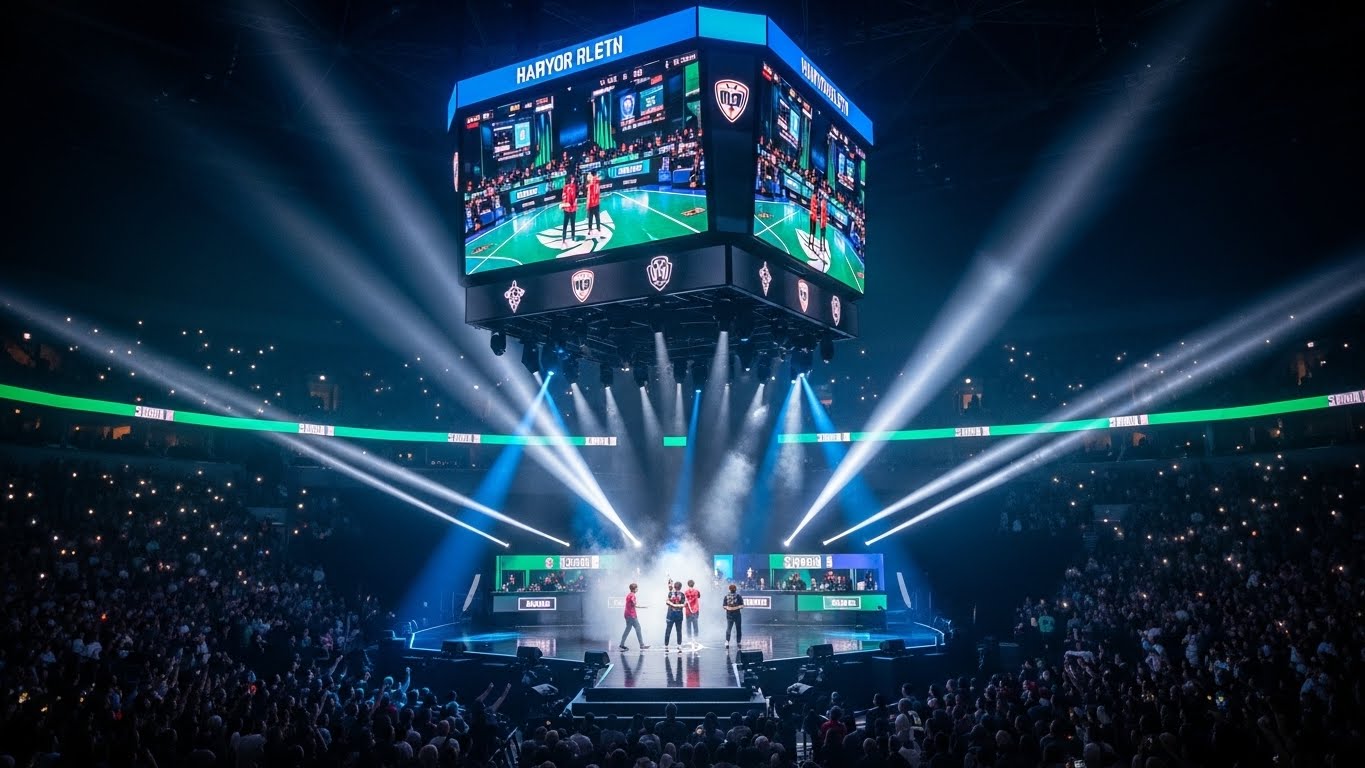
Major esports tournaments now rival traditional sporting events in scale and spectacle. International competitions for games like League of Legends, Dota 2, Counter-Strike: Global Offensive, and Valorant draw thousands of live spectators and millions of online viewers. These events feature professional commentary, live performances, elaborate stage designs, and high-energy production, creating an immersive experience for fans.
Prize pools in esports tournaments have reached unprecedented levels. Some tournaments offer prizes exceeding tens of millions of dollars, drawing top talent from around the world. International rivalries foster passionate fan bases and regional pride, while online streaming ensures global accessibility. These tournaments are no longer just competitions; they are entertainment spectacles that combine athleticism, strategy, and showmanship.
The Economic Impact of Esports
Esports is not just entertainment; it is a booming industry. Revenue streams include sponsorships, merchandise sales, media rights, advertising, and game sales. Major companies across technology, fashion, beverage, and automotive industries recognize esports as an opportunity to reach younger, tech-savvy audiences.
Sponsorship deals provide critical funding for teams and tournaments, while esports organizations generate income through branded merchandise and ticket sales. Game developers also play a central role by supporting competitive communities, hosting official leagues, and maintaining balanced and engaging gameplay. This multi-layered ecosystem ensures sustainable growth and continued innovation within the industry.
Cultural Influence and Mainstream Recognition
Esports has had a profound impact on culture, shaping how people view gaming, entertainment, and even professional careers. Popular esports players have become cultural icons, influencing fashion, music, and social media trends. Many universities and schools have embraced esports, offering scholarships and structured programs that combine competition with education in game design, management, and marketing.
Esports also promotes valuable skills such as teamwork, critical thinking, strategic planning, and digital literacy. These competencies extend beyond gaming and prepare participants for diverse careers in technology, media, and creative industries. The cultural acceptance of esports has transformed it into a legitimate and respected pursuit, not merely a recreational activity.
Technological Advancements Driving Esports
The growth of esports is closely tied to technological innovation. Advancements in virtual reality, augmented reality, and artificial intelligence are reshaping how games are played and watched. Improved internet connectivity and gaming hardware enhance performance and accessibility, allowing players worldwide to compete at elite levels.
Mobile gaming is an increasingly important component of esports, particularly in regions where smartphones are more accessible than PCs or consoles. Mobile esports tournaments are attracting millions of participants and viewers, expanding the reach of competitive gaming to previously untapped markets. Innovations in streaming technology, interactive content, and immersive experiences continue to push the boundaries of what esports can offer.
Challenges Facing the Esports Industry
Despite its rapid growth, esports faces significant challenges. Player burnout is a serious concern due to rigorous training schedules and the pressures of competition. Organizations are increasingly prioritizing mental health, structured rest periods, and support services to ensure long-term sustainability.
Regulation and governance also present challenges. The esports ecosystem is fragmented, with multiple organizers, publishers, and leagues operating independently. Establishing consistent standards for competition integrity, player contracts, and fair play is critical for long-term credibility.
Diversity and inclusivity are ongoing priorities. While esports is accessible globally, barriers still exist for certain genders, regions, and communities. Encouraging equal opportunities and creating welcoming environments will strengthen the industry and expand its fan base.
The Future of Esports
The future of esports is bright and full of potential. As technology continues to evolve, new genres, games, and competition formats will emerge, expanding the audience and enhancing engagement. The integration of esports into mainstream culture, education, and professional sports will continue to grow.
Esports may one day be included in global multi-sport events and recognized alongside traditional sports. Its ability to adapt to new technologies, attract younger audiences, and create immersive experiences ensures that it will remain a central part of the entertainment landscape for years to come.
Conclusion
Esports has transformed from a niche hobby into a global entertainment powerhouse. Its growth is driven by passionate communities, professional players, technological innovation, and cultural influence. Tournaments rival traditional sporting events, prize pools are astronomical, and the industry continues to expand economically and socially.
As esports continues to evolve, it offers opportunities not only for competition and entertainment but also for education, personal development, and cultural engagement. Its impact is undeniable, and the future promises even greater innovation, inclusion, and global participation. Esports is no longer just a game; it is a dynamic force shaping the modern world.