Introduction: The Emergence of Esports
In the past decade, a relatively obscure phenomenon has blossomed into a multi-billion-dollar industry—esports. What started as casual gaming competitions between friends or local tournaments has now transformed into a global cultural movement. With millions of fans, hundreds of millions of dollars in sponsorships, and professional leagues that rival traditional sports in terms of viewership and revenue, esports is no longer just a pastime. It’s a legitimate career path, a form of entertainment, and a thriving ecosystem that shapes the entertainment landscape.
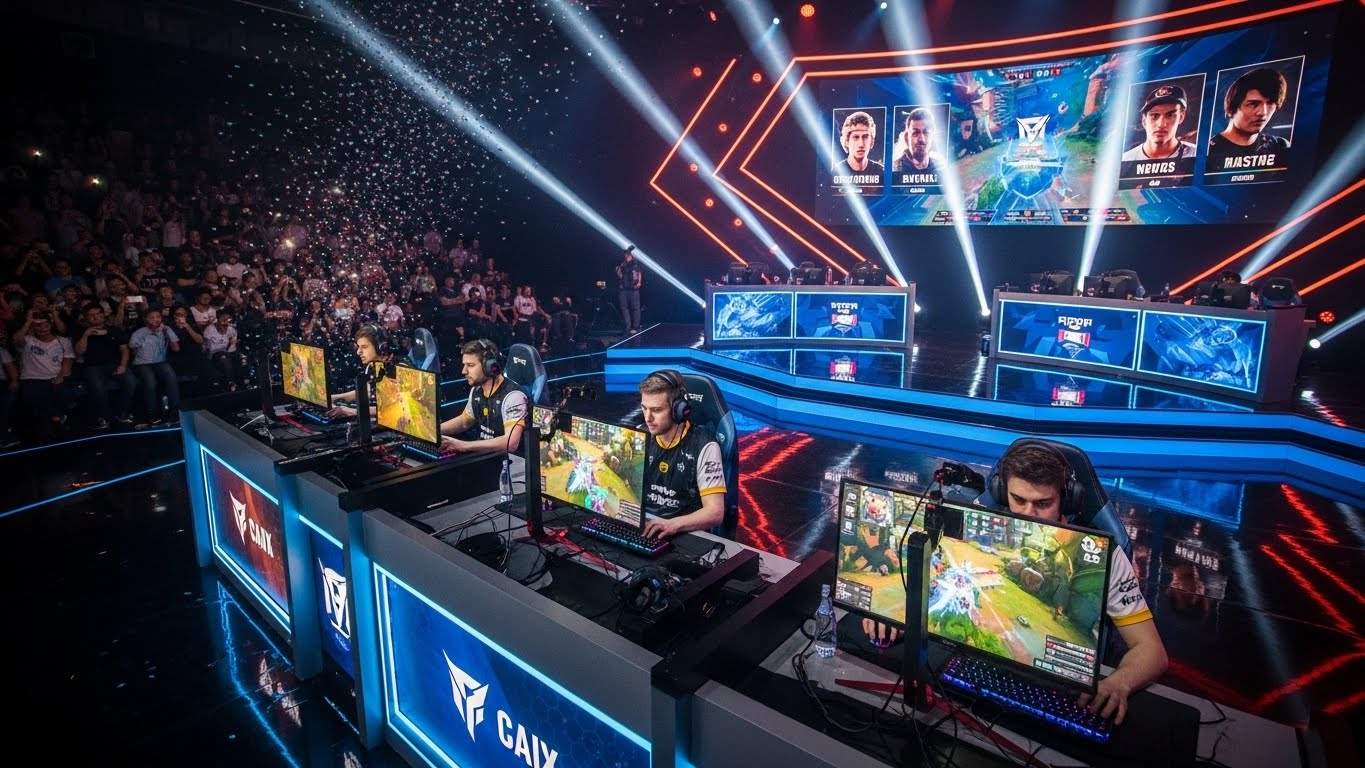
But what exactly makes esports so compelling? Why have video games evolved from a solitary, recreational activity into a professional competition that draws stadium-sized crowds and millions of online viewers? In this blog post, we’ll explore the rise of esports, its growing influence, the economic powerhouse behind it, and its potential future in the world of entertainment.
The Origins of Esports: From Arcade Games to Global Tournaments
To understand where esports is headed, we need to take a step back and look at its origins. Competitive gaming has been around for decades, but its roots are often traced to the 1990s, a time when arcades and personal computers became more accessible to the masses. One of the first large-scale competitions took place in 1997 with the Red Annihilation tournament for Quake, a game that became a cornerstone of competitive gaming. While small by today’s standards, this event offered players the chance to showcase their skills and earn a share of a modest prize pool.
As the internet began to spread in the late 1990s and early 2000s, online multiplayer games like StarCraft, Warcraft III, and Counter-Strike allowed players to compete with others across the globe. These games formed the backbone of the first professional leagues and competitions, and platforms such as Major League Gaming (MLG) and the World Cyber Games began organizing international tournaments. While these early events didn’t attract the same kind of attention as today’s esports spectacles, they laid the foundation for the massive industry that would follow.
The real turning point for esports came in the mid-2010s, with the explosive growth of streaming platforms like Twitch, where millions of viewers could watch their favorite gamers compete in real-time. The combination of competitive gaming and live streaming helped esports evolve into a legitimate form of entertainment, and soon enough, big brands and major media outlets started to take notice.
The Growth of Esports: A Global Phenomenon
Today, esports is one of the fastest-growing industries in the world. The global esports market is valued at over a billion dollars, with millions of fans worldwide tuning in to watch professional tournaments. These tournaments often feature games like League of Legends, Dota 2, Counter-Strike: Global Offensive, Overwatch, and Fortnite, each with its own professional leagues and global competitions.
Esports has become a multi-faceted industry encompassing not only competitive gaming but also content creation, marketing, and sponsorships. The ecosystem includes professional players, teams, coaches, analysts, and broadcasters. Organizations like Team Liquid, Cloud9, and Fnatic have established themselves as major players in the esports world, signing top-tier athletes and offering extensive support structures to ensure their success.
The development of mobile gaming has also played a significant role in esports’ growth, particularly in regions like Southeast Asia, where mobile esports titles such as PUBG Mobile and Mobile Legends have become hugely popular. The accessibility of mobile devices has made esports more inclusive, allowing people from all backgrounds to participate in competitive gaming.
Esports as a Career: The Professionalization of Gaming
One of the most significant aspects of the esports revolution is the emergence of gaming as a legitimate career. Professional esports players are now earning salaries, prize money, and sponsorship deals comparable to athletes in traditional sports. Many top-tier players compete in major tournaments with prize pools that reach into the millions of dollars. For instance, the International, the annual Dota 2 championship, boasts a prize pool of over $40 million, a staggering sum by any standard.
But it’s not just about the players. Esports has created a wide range of professional opportunities. From coaches and analysts who help teams refine their strategies to commentators and broadcasters who bring the action to viewers, esports has opened up a plethora of career paths in the entertainment and sports sectors. The rise of content creators and streamers has also added a new dimension to esports. Popular figures like Ninja and Shroud have built multi-million-dollar empires through streaming their gameplay on platforms like Twitch and YouTube, further solidifying the idea that gaming is not just a hobby but a profession.
While being a professional gamer is undoubtedly a dream for many, the path to success is not easy. Players must devote years to honing their skills, and many face intense pressure to perform at the highest level. Esports organizations often treat their players like traditional athletes, with strict training regimens, coaching, and psychological support to maintain peak performance.
Esports and Popular Culture: The Integration of Gaming into Mainstream Entertainment
Esports is no longer confined to niche gaming communities. It has become a significant part of popular culture, attracting mainstream audiences and gaining widespread media coverage. Networks like ESPN and Turner Sports now air esports tournaments, while major media outlets regularly report on esports news, events, and trends.
Gaming personalities and influencers have also crossed over into the mainstream, gaining celebrity status among younger generations. Players like Faker, S1mple, and Dendi have become household names, with fanbases that rival those of traditional sports stars. Their influence extends beyond the gaming world, as they collaborate with brands, appear on talk shows, and make cameo appearances in other forms of media.
Esports’ cultural significance is also reflected in its growing presence at live events. Major tournaments are held in massive arenas, with audiences that rival those of traditional sports events. For example, the League of Legends World Championship regularly fills stadiums with tens of thousands of fans, while millions more watch online via livestreams.
Additionally, the intersection between esports and music has further expanded the cultural reach of competitive gaming. Artists like Marshmello and Travis Scott have performed virtual concerts within games like Fortnite, attracting millions of viewers and showing how gaming can transcend its traditional boundaries.
The Business of Esports: Sponsorships, Advertisements, and Investment
One of the driving forces behind the rapid growth of esports is the influx of money from sponsorships, advertising, and investment. Major brands like Coca-Cola, Intel, and Red Bull have invested heavily in esports, recognizing its potential to reach a younger, tech-savvy demographic. These sponsorships help fund player salaries, tournament prize pools, and the infrastructure required to run large-scale events.
Media companies and broadcasters are also jumping on the esports bandwagon. Streaming platforms like Twitch and YouTube Gaming are generating significant revenue through ads, subscriptions, and donations. In fact, Twitch alone is reported to generate billions in revenue each year, a large portion of which comes from its esports-related content. Traditional media networks are also investing in esports, broadcasting live tournaments and offering coverage for major events.
Furthermore, esports has attracted significant investment from venture capitalists, professional sports teams, and entertainment companies. Organizations like The New York Times and The Washington Post have begun reporting on esports, while sports teams such as the Dallas Mavericks and Golden State Warriors have invested in esports teams and leagues. This influx of capital has helped professionalize the esports industry and has led to the creation of new competitions, leagues, and formats.
The Challenges Facing Esports: Sustainability and Diversity
While esports has grown at an exponential rate, it faces several challenges that could impact its long-term sustainability. One of the most pressing issues is the potential for burnout among players. The demands of professional gaming, including long hours of practice, travel, and competition, can take a toll on players’ physical and mental health. As esports continues to professionalize, organizations are increasingly investing in player wellness programs, including psychological counseling, physical fitness, and nutritional support, to help mitigate the risk of burnout.
Another challenge is the lack of diversity within the esports community. While gaming is enjoyed by people of all genders, races, and backgrounds, professional esports remains predominantly male. Organizations and leagues are working to address this imbalance by promoting inclusivity, encouraging more women and minorities to participate in competitive gaming, and creating safe, supportive environments for players of all backgrounds.
The Future of Esports: What’s Next?
As esports continues to grow, it is likely that we will see even greater integration between gaming and mainstream entertainment. Virtual reality (VR) and augmented reality (AR) could play a pivotal role in the future of esports, offering immersive experiences that bring viewers closer to the action. Furthermore, the rise of cloud gaming platforms may make esports more accessible to people who do not have access to high-end gaming hardware.
Esports will also continue to diversify, with new games, genres, and formats emerging as the industry expands. Mobile esports, in particular, is poised for massive growth, particularly in emerging markets like India, China, and Southeast Asia. As technology advances and new players enter the market, esports is set to remain one of the most exciting and rapidly evolving industries in the world.