Introduction: More Than Just Playing Games
Esports, once dismissed as a niche hobby for teenagers in dark rooms, has transformed into a global industry that rivals traditional sports in viewership, revenue, and cultural influence. Competitive gaming is no longer just about entertainment; it represents a new form of professional sport, digital performance, and community building. With sold-out arenas, multimillion-dollar tournaments, and players treated like celebrities, esports has redefined what it means to compete in the modern age.
This blog explores the evolution of esports, its ecosystem, the lives of professional players, its economic impact, and its future as a dominant force in global entertainment.
The Origins of Esports: From Arcades to Arenas
The roots of esports can be traced back to the early days of video gaming. In the 1980s and 1990s, competitive gaming existed in arcades and small local tournaments where players competed for high scores and bragging rights. As home consoles and personal computers became more powerful, multiplayer games emerged, allowing players to compete against each other from different locations.
The real turning point came with the rise of the internet. Online connectivity enabled global competition, fostering communities around games that rewarded skill, strategy, and teamwork. What began as informal online matches soon evolved into organized tournaments with rules, rankings, and dedicated fan bases.
Understanding the Esports Ecosystem
Esports is not a single game or genre but a vast ecosystem made up of multiple components working together. At its core are competitive games, often categorized into genres such as multiplayer online battle arenas, first-person shooters, real-time strategy games, and sports simulations.
Around these games exists a complex structure that includes professional teams, tournament organizers, broadcasters, sponsors, coaches, analysts, and content creators. Each role is essential in maintaining the professionalism and entertainment value of esports. Unlike traditional sports, publishers play a unique role by owning the intellectual property of the games, giving them significant influence over the competitive landscape.
Professional Players: Discipline Behind the Screens
Becoming a professional esports player requires far more than casual gaming skill. Top players train for long hours each day, focusing on mechanics, strategy, teamwork, and mental resilience. Reaction time, decision-making under pressure, and adaptability are critical skills that separate amateurs from professionals.
Players often begin their careers at a young age, dedicating years to mastering a single game. Physical health, once overlooked, is now a growing focus, with teams emphasizing proper posture, exercise, and nutrition to avoid burnout and injury. Mental health is equally important, as the pressure to perform in front of millions of viewers can be intense.
Teams, Organizations, and Management
Esports teams function much like traditional sports organizations. They sign players to contracts, provide training facilities, hire coaching staff, and manage branding and sponsorships. Successful organizations build long-term strategies, developing talent and maintaining competitive rosters across multiple games.
Team identity plays a crucial role in fan engagement. Supporters rally behind logos, colors, and rivalries, creating emotional connections that extend beyond individual players. These communities contribute to the longevity and financial stability of esports organizations.
Tournaments and Competitions: The Heart of Esports
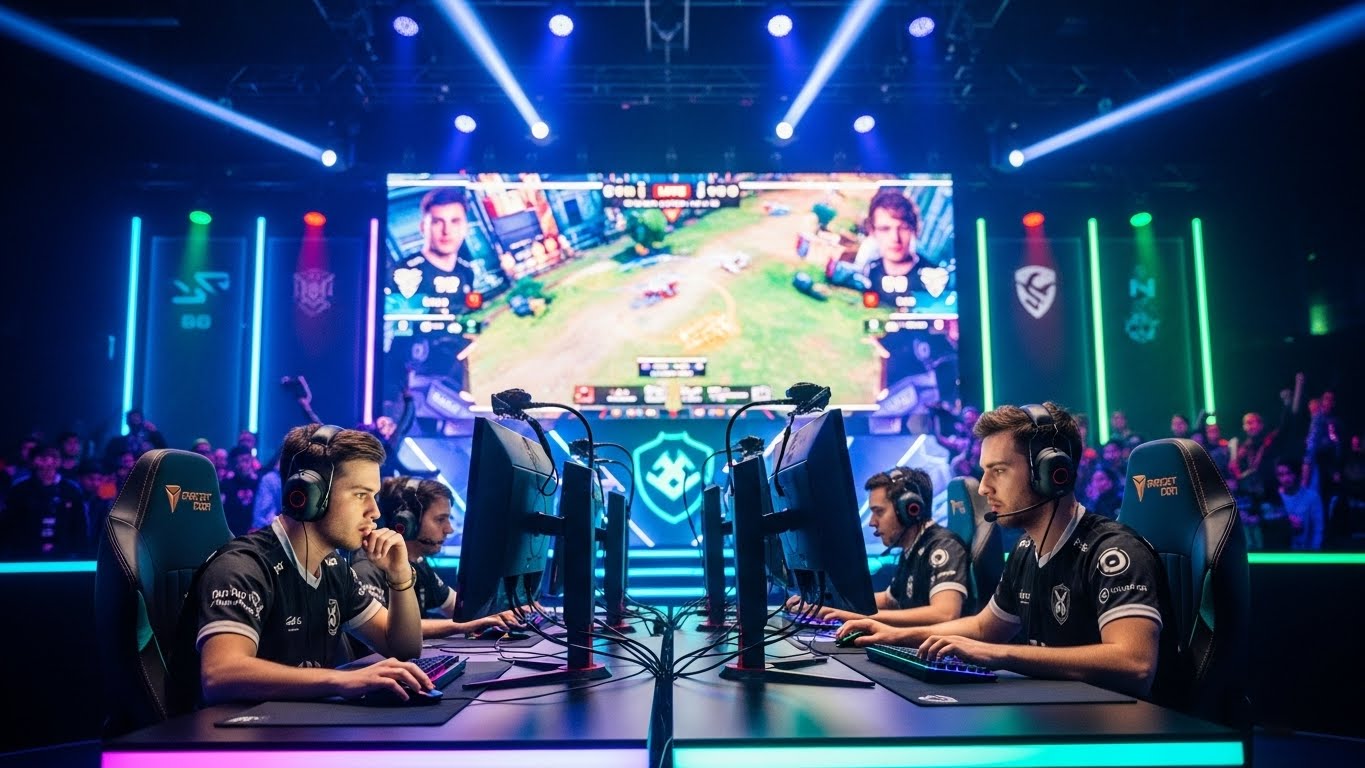
Tournaments are the centerpiece of esports, where preparation meets performance. Events range from small online qualifiers to massive international championships held in stadiums. Prize pools can reach staggering amounts, reflecting the growing investment and popularity of competitive gaming.
These events are meticulously produced, featuring professional commentary, analysis, and storytelling. The atmosphere rivals that of traditional sporting events, complete with cheering crowds and dramatic moments. For fans, tournaments provide a shared experience that strengthens the sense of community within esports.
Streaming and Fan Engagement
One of the defining features of esports is its close relationship with digital platforms. Fans do not just watch games; they interact with players, commentators, and each other in real time. Live streaming has revolutionized how audiences consume competitive gaming, making it accessible to anyone with an internet connection.
Content creators and streamers play a significant role in shaping esports culture. They provide behind-the-scenes insights, educational content, and entertainment that extends beyond official competitions. This constant interaction has created a more personal connection between fans and the esports world compared to many traditional sports.
Economic Impact and Career Opportunities
Esports has grown into a significant economic force. Revenue streams include sponsorships, advertising, merchandise, ticket sales, and media rights. Brands from both gaming and non-gaming industries recognize the value of reaching esports audiences, particularly younger demographics.
Beyond professional players, esports has created numerous career opportunities. Coaches, analysts, event managers, graphic designers, marketers, and broadcasters all find roles within the industry. Educational institutions are also beginning to offer programs related to esports management and game design, further legitimizing the field.
Cultural Influence and Global Reach
Esports transcends geographical and cultural boundaries. Players and fans from different countries compete and connect through a shared passion for gaming. International tournaments showcase diverse talent and foster cross-cultural exchange, making esports a truly global phenomenon.
The influence of esports extends into fashion, music, and popular culture. Gaming aesthetics inspire clothing lines, while collaborations with artists and entertainers blur the lines between industries. Esports has become a cultural language for a generation that grew up in digital spaces.
Challenges Facing the Esports Industry
Despite its rapid growth, esports faces several challenges. Issues such as player burnout, lack of standardized regulations, and concerns about fairness and integrity require ongoing attention. The fast-paced nature of the industry can lead to instability, with games rising and falling in popularity quickly.
There is also the challenge of inclusivity. While esports is open to anyone in theory, barriers related to access, representation, and harassment still exist. Addressing these issues is essential for creating a sustainable and welcoming environment for future generations.
The Future of Esports
The future of esports looks promising but will require careful development. Advances in technology, such as virtual reality and improved connectivity, may redefine how games are played and watched. Greater collaboration between publishers, teams, and organizers could lead to more stable competitive structures.
As esports continues to mature, it may further integrate with traditional sports, education, and mainstream media. What remains constant is the passion of its community, which drives innovation and keeps the industry evolving.
Conclusion: A New Era of Competition
Esports represents a new chapter in the history of competition. It combines technology, skill, creativity, and community in ways that were unimaginable just a few decades ago. From humble beginnings in arcades to global stages filled with roaring fans, esports has proven that digital competition can be just as meaningful and thrilling as any traditional sport.
As the industry continues to grow, esports will not only entertain but also influence how we understand sports, careers, and culture in a digital world. What started as a game has become a movement, and its impact is only just beginning.