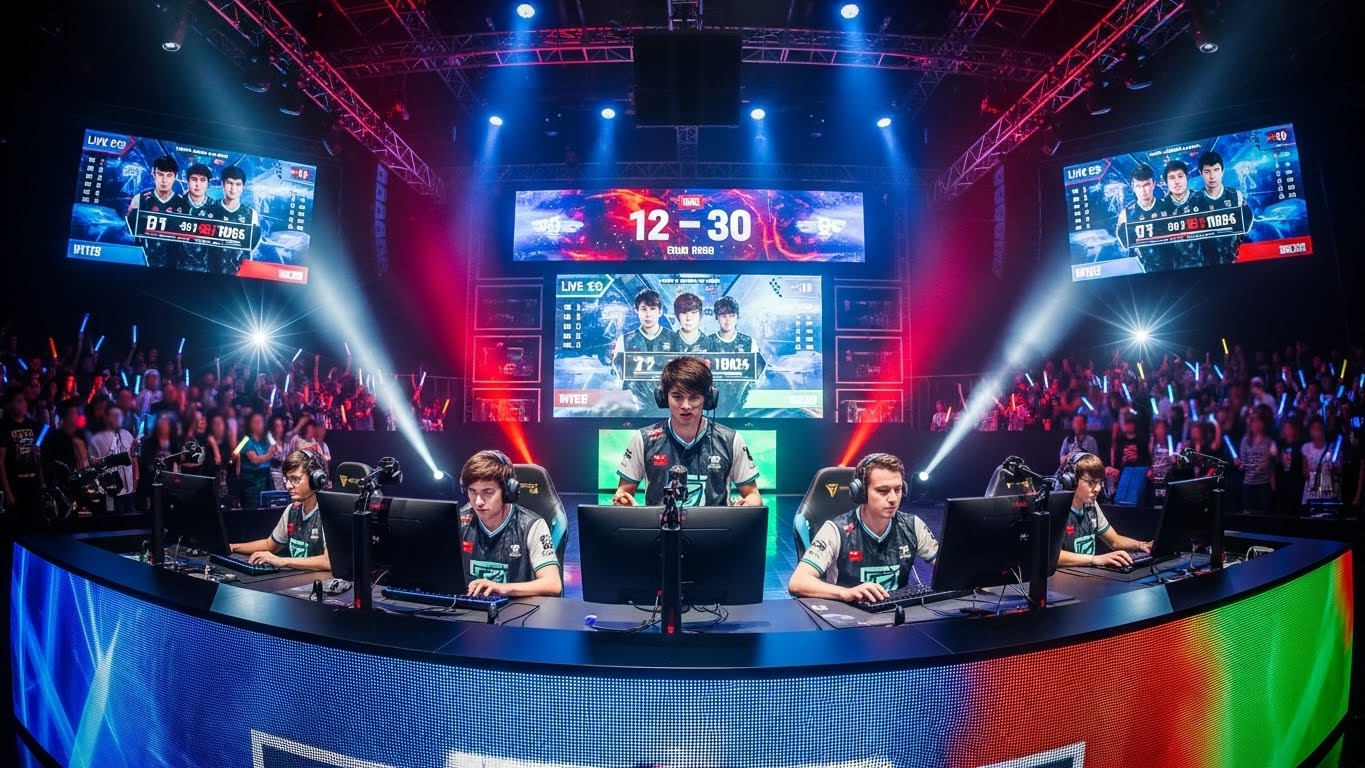
Esports has emerged as one of the most influential and fastest-growing industries in the world today. What once began as a niche interest has transformed into a global phenomenon, with millions of fans, players, and organizations involved. Whether it’s competitive video gaming tournaments, professional gaming leagues, or massive fan conventions, esports has firmly established itself in mainstream entertainment. But what exactly is behind the explosive rise of esports? And what does the future hold for this rapidly evolving sector?
In this blog post, we will explore the growth of esports, its cultural impact, the key players involved, and the factors contributing to its success. We’ll also examine the challenges that the industry faces and what makes esports different from traditional sports.
What is Esports?
Esports, short for electronic sports, refers to organized, multiplayer video game competitions, particularly between professional players, individually or as teams. These competitions can range from online tournaments to live events held in large arenas with a global audience. The games played in esports tournaments are varied, spanning genres like real-time strategy (RTS), first-person shooters (FPS), battle royales, multiplayer online battle arena (MOBA) games, and more. Some of the most popular esports titles include League of Legends, Dota 2, Counter-Strike: Global Offensive (CS:GO), Fortnite, Overwatch, and Call of Duty.
At the core of esports is the competitive element. Players and teams battle for prize money, sponsorship deals, recognition, and a place in the global rankings. As the industry has matured, esports has attracted not only fans but also investors, media companies, and major brands, contributing to its rapid growth.
The Rise of Esports: From Niche to Mainstream
Early Beginnings
Esports can trace its origins back to the 1990s when competitive gaming began to gain traction in the form of local tournaments and LAN parties. Games like Street Fighter II and Quake became early staples for competitive play, and players would gather in arcades or basements to showcase their skills. However, these early competitions were often small and not widely recognized outside of the gaming community.
The first notable milestone in esports history came in 1997 with the launch of the Red Annihilation tournament for the game Quake, which attracted both players and sponsors. The tournament offered a $10,000 prize pool, a significant sum at the time, and it was one of the first examples of a competitive gaming event drawing attention from the wider public.
By the early 2000s, esports began to evolve with the introduction of online gaming and streaming platforms. Games like StarCraft in South Korea gained a cult following, and local esports leagues started popping up in different regions. In fact, South Korea is often credited as the birthplace of modern esports, with the country leading the way in creating professional leagues, broadcasting competitions, and even building dedicated esports arenas.
The Explosion of Esports
Esports truly began to explode in the late 2000s and early 2010s, largely due to the rise of high-speed internet, the advent of live-streaming platforms like Twitch, and the growth of social media. These platforms allowed fans to watch competitions in real-time and interact with players and other fans. With live-streaming, esports competitions could reach a global audience, far beyond the limits of traditional broadcasting methods.
As the internet became more accessible, gaming companies and organizations began investing heavily in esports. Major gaming publishers like Riot Games and Valve started developing games specifically designed for competitive play, and they organized tournaments with substantial prize pools. League of Legends, for example, introduced the League of Legends World Championship, which became one of the most-watched esports events globally, attracting millions of viewers from around the world.
Simultaneously, esports organizations began to emerge, signing professional players to teams, providing them with salaries, training facilities, and coaches—just like traditional sports teams. These developments helped solidify the idea of esports as a legitimate, competitive profession.
Big Investments and Sponsorships
One of the key factors behind the rise of esports has been the influx of investment from traditional media and major corporations. Large companies like Coca-Cola, Intel, Mercedes-Benz, and Nike have invested heavily in esports sponsorships, further legitimizing esports as an industry. The increase in sponsorship dollars has also led to the creation of dedicated esports arenas, where live events are held in front of thousands of spectators. Some notable esports venues include The International Convention Centre in Johannesburg and The Barclays Center in New York, where large tournaments attract both physical and online audiences.
In addition to sponsorships, esports has also attracted substantial investments from venture capital firms, team owners, and even celebrities. The Overwatch League (OWL), for example, raised $90 million in franchise fees from team owners. This massive level of investment has allowed esports organizations to expand and scale their operations, offering higher salaries to players, creating content studios, and developing new esports titles.
Esports and Traditional Sports
Esports is increasingly drawing comparisons to traditional sports, both in terms of its structure and its fanbase. While esports may not involve physical athleticism, it demands immense mental focus, quick reflexes, and deep strategic thinking—attributes that are also prized in traditional sports. Furthermore, esports competitions can draw just as many viewers as some professional sports leagues.
The overlap between esports and traditional sports is also evident in the growing interest from professional athletes and teams in the gaming world. Several NBA teams, including the Golden State Warriors and Miami Heat, have ventured into esports, either by owning esports teams or investing in gaming-related ventures. In 2018, even the New England Patriots owner, Robert Kraft, purchased an esports organization, Team SoloMid, solidifying the connection between the worlds of traditional sports and esports.
The Impact of Esports on Culture
A New Type of Celebrity
Esports has given rise to a new breed of celebrity: the professional gamer. Players like Ninja, Faker, and Shroud have become global superstars, earning massive followings on platforms like Twitch and YouTube. These gamers make money not only through tournament winnings but also from brand deals, live streams, and merchandise sales.
In fact, streaming platforms like Twitch and YouTube Gaming have played a major role in changing the way we consume entertainment. Watching someone play video games has become an entertainment choice for millions of people, similar to watching a traditional sport or TV show. Streamers interact with their audiences, creating a level of engagement that traditional media can’t match.
Esports and Education
Esports is also beginning to have an impact in the educational sector. Many universities have started offering scholarships for esports players, and some institutions even offer dedicated esports programs to help students pursue careers in competitive gaming, streaming, and esports management. Schools and colleges have set up esports arenas, where students can train, compete, and build a career in gaming. With esports expected to become even more integrated into mainstream culture, it’s likely that educational institutions will continue to embrace it as a viable career path.
Challenges Facing Esports
Despite its rapid growth, esports is not without its challenges. One of the most significant concerns in the industry is the lack of standardized regulations. Esports is still relatively young, and many of the rules governing competitions, player contracts, and team operations are still in flux. There have been instances of cheating, match-fixing, and player burnout, which have raised questions about the ethical standards within the industry.
Additionally, the mental and physical demands placed on professional players can be immense. Competitive gaming often requires long hours of practice and intense focus, leading to a higher risk of physical ailments like carpal tunnel syndrome and eye strain, as well as mental health issues such as stress and anxiety. Esports organizations are beginning to recognize the importance of player well-being, but more work is needed to ensure players have a balanced lifestyle and proper support.
Finally, as esports continues to grow, there are concerns about its long-term sustainability. The industry’s reliance on sponsorships, streaming platforms, and prize money could lead to volatility if these revenue streams falter. Ensuring that esports is not just a passing trend will require continued investment in player development, fan engagement, and innovation.
The Future of Esports
Looking ahead, the future of esports appears incredibly bright. The industry is expected to continue growing rapidly, with projections suggesting it could surpass $1 billion in global revenue in the coming years. As new technologies like virtual reality (VR) and augmented reality (AR) become more widespread, we could see even more immersive esports experiences, further drawing in fans and players alike.
Esports is also expanding into new territories, with regions like India and Latin America showing growing interest in competitive gaming. As mobile gaming becomes more prevalent, esports on mobile platforms will likely become a key driver of growth, offering opportunities for new players and fans to engage in the esports ecosystem.
In conclusion, esports has firmly cemented itself as a major player in the world of entertainment, sports, and culture. While challenges remain, the rise of esports has been nothing short of revolutionary. As the industry continues to grow and evolve, it will be exciting to see how it shapes the future of competition, entertainment, and gaming as a whole.