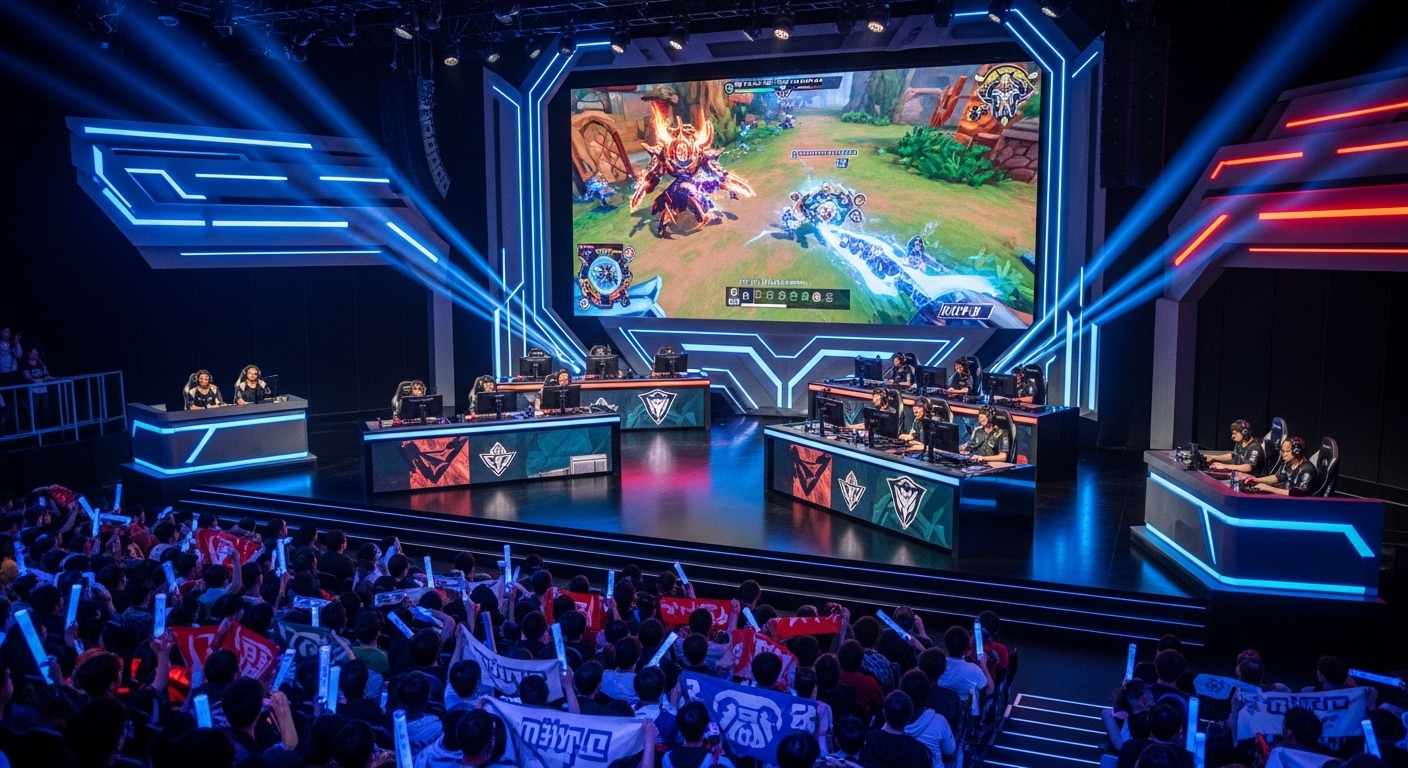
Esports has rapidly transformed from a niche hobby into one of the most influential sectors of modern entertainment. What began as small, informal competitions among friends has evolved into a professional, global industry attracting millions of viewers, billions in revenue, and some of the most talented athletes of the digital age. Esports now encompasses competitive video gaming, organized tournaments, professional teams, streaming platforms, and a thriving fan community. Its impact is felt not only in entertainment but also in technology, culture, and even education.
In this blog, we will explore the history, growth, and significance of esports, examining how it has revolutionized competitive gaming, created opportunities for players and creators, and established itself as a mainstream form of global entertainment.
The Origins of Competitive Gaming
Esports, short for electronic sports, traces its roots to the earliest days of video gaming. In the 1970s and 1980s, competitive gaming was largely informal. Players competed for high scores on arcade machines such as “Space Invaders,” “Pac-Man,” and “Donkey Kong.” These competitions were localized but highly social, bringing gamers together in arcades and establishing a sense of community.
The first recorded video game tournament, the Space Invaders Championship, took place in 1980, attracting thousands of participants. This event showcased the potential of competitive gaming and laid the foundation for organized tournaments. As home consoles and personal computers became more accessible, competitive gaming gradually expanded, setting the stage for what would become modern esports.
The Early Days of Esports
The 1990s marked the formalization of competitive gaming. With the rise of PC gaming, tournaments began to include strategy and first-person shooter games such as “StarCraft,” “Quake,” and “Counter-Strike.” These games were particularly suited to competitive play due to their fast pace, skill-based mechanics, and team dynamics.
Online connectivity further expanded the esports scene. Players could now compete with opponents across the globe, rather than being limited to local arcades or LAN parties. This development transformed esports into a truly international phenomenon, enabling global rankings, online leagues, and virtual tournaments.
The Role of Game Developers
Game developers played a crucial role in shaping esports. By designing games with competitive balance, spectator modes, and ranking systems, developers created titles that were inherently suited for professional competition.
Games such as “League of Legends,” developed by Riot Games, and “Dota 2,” developed by Valve, were designed with esports in mind. They offered complex mechanics, diverse characters, and strategies that rewarded skill and teamwork. The inclusion of spectator tools allowed audiences to watch matches in real time, creating a spectator sport that rivaled traditional athletics.
Developers also invested in esports infrastructure, sponsoring tournaments, supporting professional teams, and creating prize pools that attracted the best players worldwide. These efforts helped legitimize esports as a professional career path.
Esports as a Professional Career
Modern esports athletes are no longer casual gamers—they are professionals with rigorous training schedules, coaching staff, and sponsorships. Professional players often dedicate eight to twelve hours a day to practice, analyzing strategies, refining skills, and maintaining peak performance.
Top esports tournaments now rival traditional sports in terms of prize money and exposure. For example, the International Dota 2 Championship offers multi-million-dollar prize pools, while the League of Legends World Championship attracts millions of viewers globally. Esports players also earn revenue through sponsorships, streaming, merchandise, and team contracts, creating a viable and lucrative career path.
Esports Teams and Organizations
Esports teams operate similarly to traditional sports franchises. Organizations like Team Liquid, Fnatic, Cloud9, and T1 recruit talented players, provide coaching and support, and manage branding and sponsorships. Teams participate in leagues, tournaments, and exhibition matches, building fan bases and cultivating rivalries.
Teams also play a role in community building. They engage with fans through social media, content creation, and live events, creating a sense of loyalty and connection that mirrors traditional sports fandom. This structure has helped establish esports as a professional and sustainable industry.
The Spectator Experience
A key factor in the growth of esports is the spectator experience. Unlike traditional gaming, esports is designed to be watched. High-quality streaming platforms such as Twitch and YouTube Gaming allow fans to watch live matches, interact with commentators, and engage with other viewers in real time.
Esports broadcasts often include professional commentary, in-depth analysis, and replay features, making them accessible to both experienced players and casual viewers. This level of presentation enhances the excitement and immersion, turning esports into a mainstream entertainment medium.
Live events, such as tournaments held in arenas, further enhance the spectator experience. Thousands of fans attend in person, cheering for their favorite teams, while millions more watch online. The energy and atmosphere of live esports events rival traditional sports, demonstrating the cultural impact of competitive gaming.
Esports Genres and Popular Titles
Esports encompasses a wide variety of game genres, each with its own competitive ecosystem. Multiplayer online battle arena (MOBA) games, such as “League of Legends” and “Dota 2,” emphasize team strategy, coordination, and skill execution. First-person shooters (FPS) like “Counter-Strike: Global Offensive” and “Call of Duty” require precision, reaction time, and tactical planning.
Battle royale games, including “Fortnite” and “PUBG,” combine survival, strategy, and quick decision-making, attracting massive audiences due to their unpredictable and exciting gameplay. Fighting games, sports simulations, and racing titles also contribute to the diverse esports landscape, offering opportunities for competition across a wide range of skills and interests.
Each genre attracts unique communities and player bases, creating a rich ecosystem that supports tournaments, fan engagement, and content creation.
The Economic Impact of Esports
Esports has grown into a multi-billion-dollar industry, driven by sponsorships, advertising, media rights, merchandise, and ticket sales. Major brands, from technology companies to consumer goods, invest heavily in esports due to its highly engaged and young audience.
Streaming platforms contribute significantly to revenue, offering subscription models, advertisements, and donations that support both creators and professional teams. Esports betting and fantasy leagues also add to the economic ecosystem, creating additional avenues for fan engagement and monetization.
The economic impact extends beyond companies and players. Esports events generate tourism, create employment opportunities, and inspire technological innovation, influencing sectors ranging from gaming hardware to broadcast production.
Esports and Education
Esports is increasingly integrated into education. Many universities and colleges now offer scholarships for esports athletes, recognizing the skill, dedication, and teamwork required for competitive gaming. Academic programs in game design, esports management, and digital media further support career development in the industry.
Esports also teaches valuable life skills, including strategic thinking, communication, leadership, and time management. Participation in organized esports fosters discipline, resilience, and collaboration, making it a powerful tool for personal growth and education.
Esports and Cultural Influence
Esports has become a cultural force, influencing music, fashion, media, and lifestyle. Professional players are celebrated as celebrities, while tournaments attract attention from mainstream media outlets. Gaming conventions and fan events further solidify esports’ place in popular culture.
The influence of esports extends to social media, where players, teams, and content creators share highlights, tutorials, and behind-the-scenes insights. Esports communities provide spaces for fans to connect, discuss strategies, and celebrate shared experiences, creating a global culture that transcends geographic boundaries.
Challenges in the Esports Industry
Despite its growth, esports faces several challenges. Player burnout is a significant concern due to long training hours, travel, and competitive pressure. Mental health support and sustainable career paths are essential to maintaining the well-being of athletes.
The industry also faces issues related to regulation, gambling, and fair play. Cheating, match-fixing, and unethical behavior threaten the integrity of competitive gaming. Organizations and governing bodies are working to establish standards and enforce rules to ensure a fair and safe environment.
Inclusivity and diversity remain areas for improvement. Efforts to promote female participation, representation of minorities, and accessible gaming opportunities are essential to building a more equitable esports ecosystem.
The Future of Esports
The future of esports is promising and filled with innovation. Technological advancements such as virtual reality, augmented reality, and artificial intelligence will create new experiences for players and fans. VR esports could allow athletes to compete in fully immersive environments, while AI could enhance coaching, analytics, and spectator engagement.
Global expansion will continue to drive growth, with emerging markets in Asia, Africa, and Latin America contributing to audience and revenue growth. Cross-platform play, mobile esports, and cloud gaming will increase accessibility and engagement.
Esports is also likely to see further integration with traditional media, including broadcasting partnerships, documentaries, and mainstream entertainment collaborations. This fusion will continue to elevate the industry’s profile and legitimacy.
Conclusion
Esports has evolved from humble beginnings into a global entertainment powerhouse. It combines skill, strategy, technology, and community to create experiences that are immersive, competitive, and culturally significant.
From arcade tournaments to professional leagues, from local competitions to global events, esports has reshaped the way we play, watch, and interact with games. It has created new career paths, inspired innovation, and brought people together across borders.
As the industry continues to grow, esports will remain at the forefront of digital entertainment, offering opportunities, excitement, and connection for players and fans worldwide. Its story is one of innovation, dedication, and the enduring power of competition, proving that esports is more than a pastime—it is a defining element of modern culture.